

Convention No. 189
Tanzania on the brink of historic recognition for domestic workers
Tanzania is on the verge of a historic milestone that promises to transform the lives of thousands of domestic workers across the country. The Government has confirmed that preparations are complete to ratify the International Labour Organization’s (ILO) Convention No. 189 on Domestic Workers, with the matter expected to go before Parliament in April 2025/26.
9 September 2025
Morogoro, Tanzania (ILO News) - Adopted in 2011, Convention No. 189 is a landmark international treaty that sets global standards to protect the estimated 75.6 million domestic workers worldwide, most of whom are women and many of whom face exclusion from basic labour rights. The Convention guarantees entitlements such as fair wages, regulated working hours, social protection, workplace safety, and respect for fundamental rights at work. For domestic workers in Tanzania, ratification would mark the first time their labour is recognized on an equal footing with other professions.
Announcing the development at a working session in Morogoro, Minister of State in the Prime Minister’s Office for Labour, Youth, Employment and Persons with Disabilities, Ridhiwani Kikwete, declared: “This marks the beginning of a new journey to legally recognize domestic workers and ensure they receive the same entitlements as other workers.” He confirmed that the Convention has already undergone Cabinet review, with necessary adjustments made to reflect Tanzania’s context, and is now ready for parliamentary consideration.
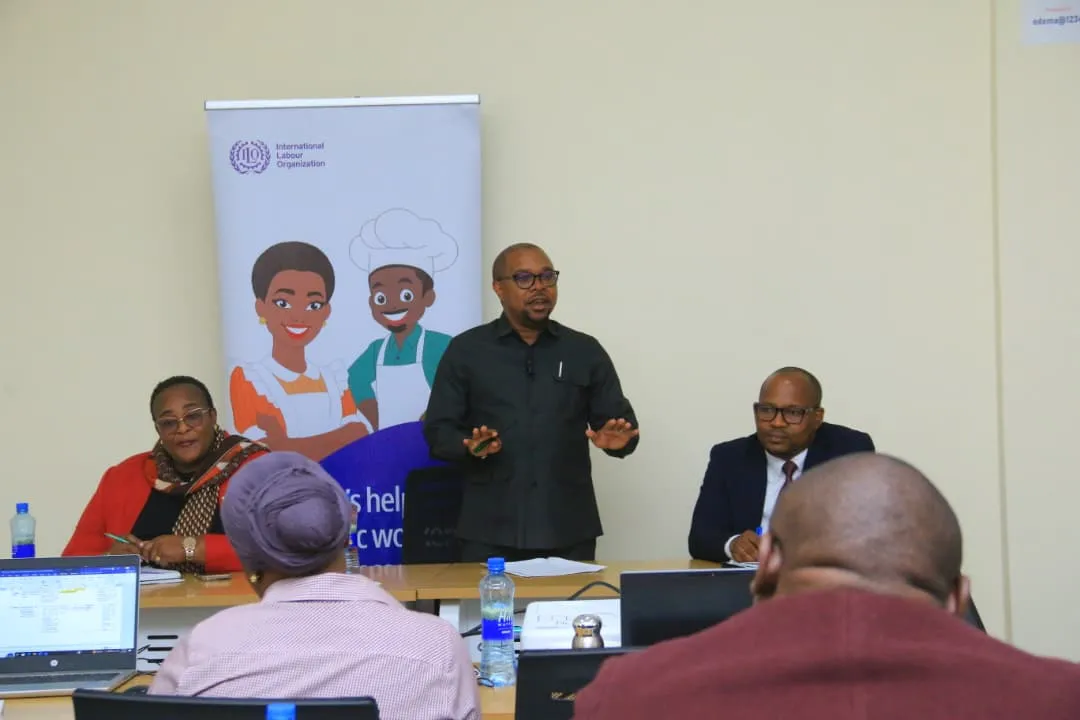
The Morogoro session, organized by the ILO in collaboration with the Prime Minister’s Office, delivered concrete results: new domestic workers’ regulations, a revised national labour inspection manual to include domestic workers, and a special inspection form tailored for household workplaces. Together, these tools will allow labour officers to monitor conditions in private homes and enforce compliance with labour standards.

For Tanzania’s domestic workers, this progress represents the culmination of a long struggle for recognition. For years, they have worked in private households with little protection, often facing long hours, low pay, unsafe conditions, and limited recourse when rights were violated. Their demand for dignity and fairness has been echoed by trade unions, women’s organizations, and civil society, all calling for Tanzania to join the growing list of countries worldwide that have ratified Convention No. 189.
ILO support has been central to this journey. Chiku Semfuko, ILO Project Coordinator for Improving the Recognition and Working Conditions for Domestic Workers, reaffirmed the Organization’s commitment: “As we move toward ratification, it is equally important to establish regulations and laws that enhance recognition and protection of domestic workers. We continue to work with the Government, trade unions, and employers to ensure this group receives the entitlements and protections they deserve.”
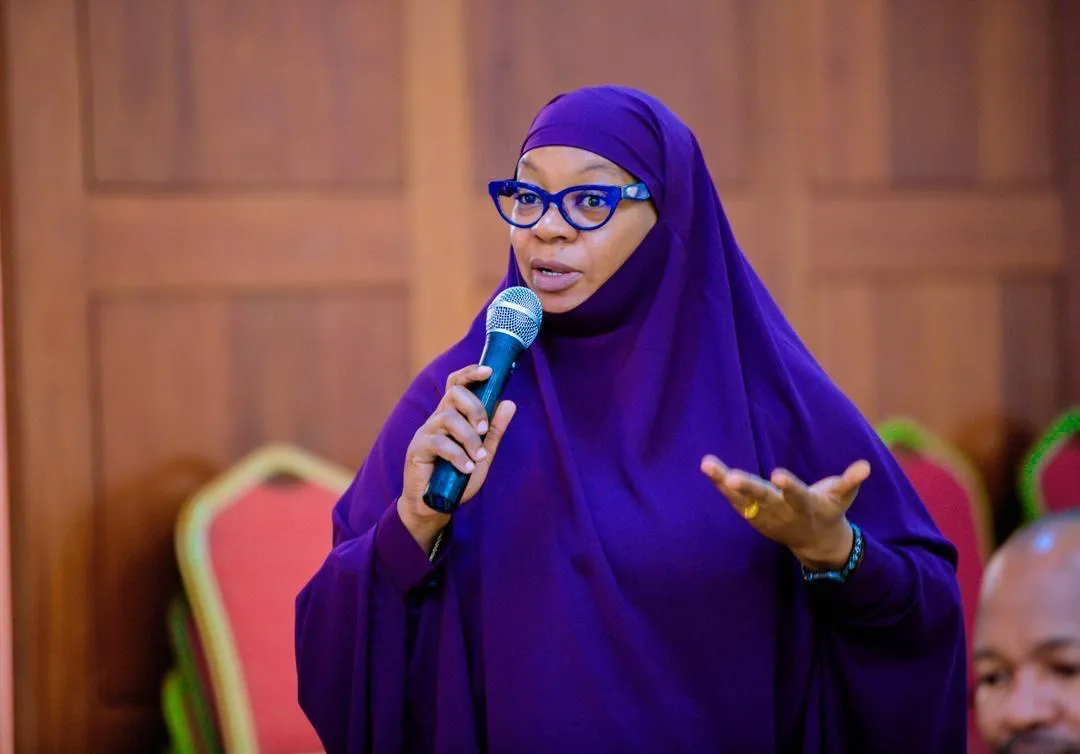
The Government has also pledged to broaden protection through the Occupational Safety and Health Authority (OSHA), directing it to extend inspections and safety education into households. Halima Seleman, Coordinator of the Domestic Workers Desk at the PMO, stressed that the new guidelines will ensure domestic workers are entitled to contracts, fair wages, leave, and protection under the Employment and Labour Relations Act. “Given the private nature of their workplaces, it is difficult to access households. That is why these guidelines and regulations are essential,” she said.
As the April parliamentary session approaches, anticipation among domestic workers is growing. Ratification would not only validate their long wait for justice but also place Tanzania among regional leaders championing the rights of care and household workers.
The step toward ratification is more than a legal process it is a moral commitment to ensure that no worker is left behind, and that every individual contributing to the economy and wellbeing of households enjoys dignity, fairness, and protection at work.