

Strengthening South Africa's social protection systems
3 March 2025
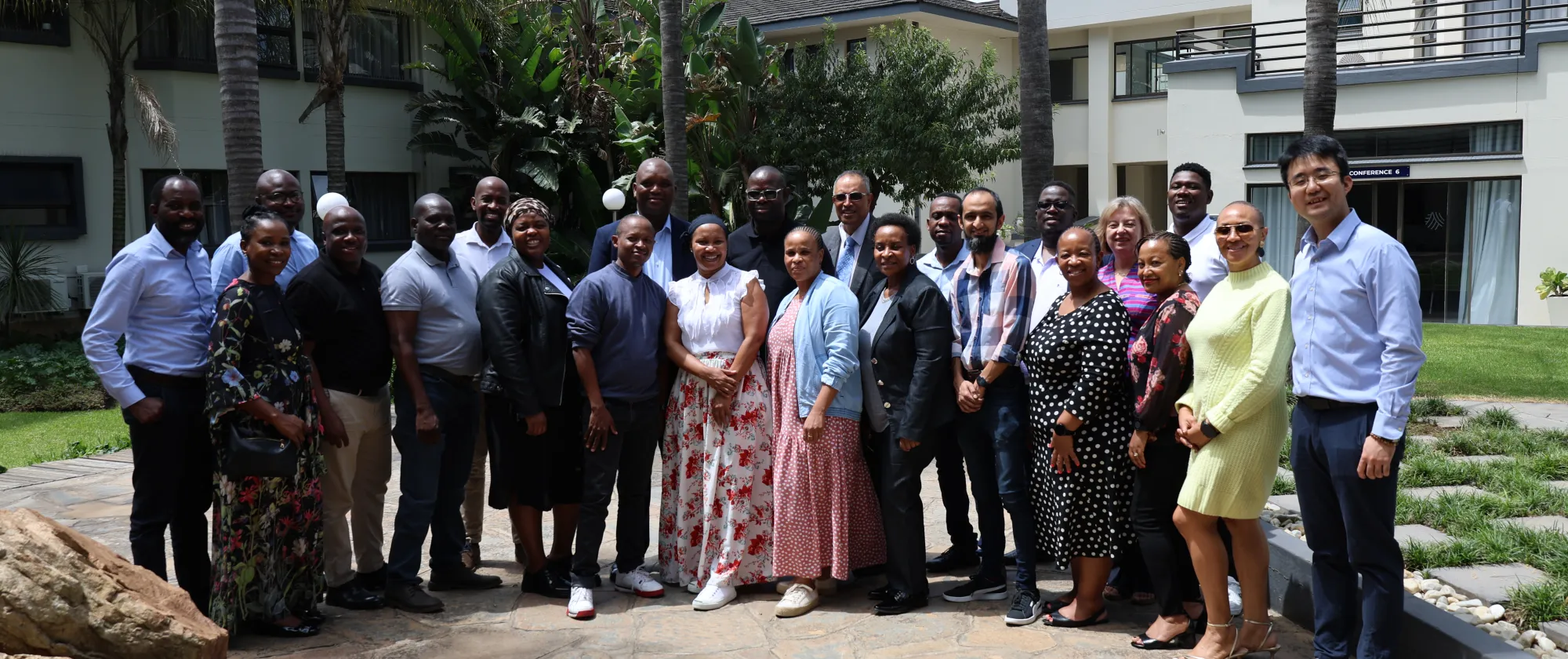
The International Labour Organization (ILO) in partnership with the South African Department of Social Development organised a training workshop to enhance national system of social protection statistics. This is the first in a series of activities aiming to enhance national capacities for data collection, analysis and dissemination within the framework of 2030 Agenda for Sustainable Development. discussed the importance of international social security standards and principles for statistical data collection for building national Social Protection Floor and related Sustainable Development Goal (SDG) 1.3.
Objectives of the workshop were aligned with the efforts that South Africa is making in breaking the silos between institutions that collect data of specific policies. Effective policy design, monitoring and evaluation of any policy requires robust and accurate data from diverse sources. Participants noted that there is a need for joint approach to data collection and exchange between social protection, employment and labour and health systems as well as from regular labour force and household budget surveys. Initial steps towards this exchange have been made but concerted effort is required to enhance interoperability of different data collection systems. In words of one of the participants:
We need to make different data systems to talk with each other, so that they can tell the full story of how social protection improves people’s lives, prevents poverty and contributes to overall development.”
As South Africa strives to design comprehensive social security strategy, baseline data will be crucial starting point and essential for the design of accompanying monitoring and evaluation framework. Aligning these two processes enhances effectiveness of the policy making process, fosters public debate and reinforces political will to invest in social protection.
Anthony Makwiramiti from the Comprehensive Social Security Branch at the Department of Social Development underscored the importance of statistics in shaping policies and programmes.
Within the social development sector, the Department of Social Development is a policy development department, so data systems inform policies and programmes. We use data for research, evaluation, and policy development. Ultimately, if we don’t have data, we will not be able to produce evidence-based policies.”
Topics discussed focused on understanding of international legal frameworks for social protection statistics, addressing challenges and opportunities in data collection and analysis in South Africa, and aligning the social protection data cycle with ILO tools for global comparability.
Workshop participants from the Department of Social Development, Department of Employment and Labour, Department of Health, National Treasury, Social Security Agency and Compensation Fund concluded to create community of practitioners for data collection and exchange. Options for peer to peer exchange and learning from good international practices will be promoted through continued collaboration with ILO