

Strengthening social protection systems in the humanitarian, development and peace nexus
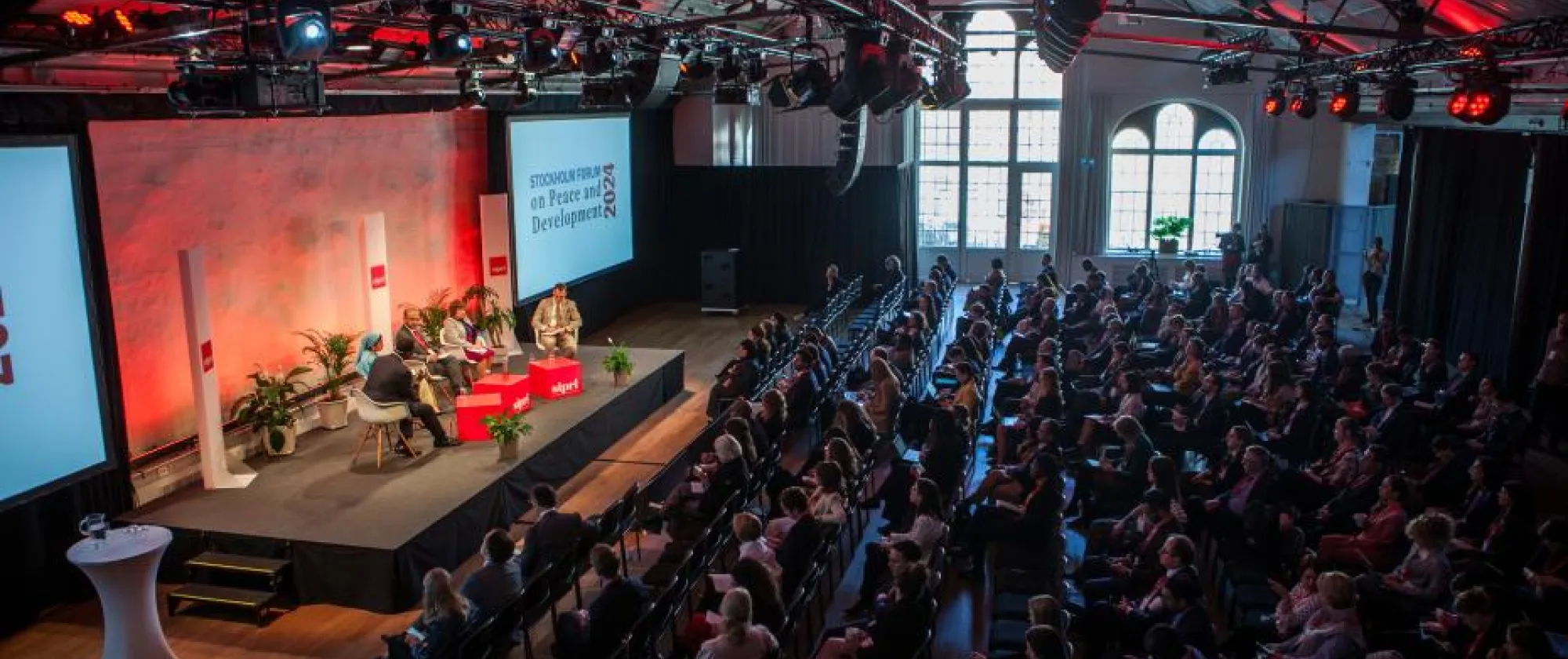
Sida (Swedish International Development Cooperation Agency), the International Labour Organization (ILO), and UNICEF share experiences at the Stockholm Forum on Peace and Development 2024.
18 June 2024
Participants
The panel was moderated by Britta Olofsson, Senior Policy Advisor for Social Protection at Sida. Distinguished speakers included:
- Mohammed Khrais from Jordan’s Social Security Corporation (SSC)
- Jane Muyanga Kitili from Kenya’s Social Protection Secretariat
- True Schedvin, Head of Unit Global Sustainable Economic Development at Sida
- Clara Van Panhuys, Social Protection Technical Officer, ILO Universal Social Protection Department
- Natalia Winder-Rossi, Global Director of Social Policy and Social Protection at UNICEF
Their collective insights provided a comprehensive overview of the challenges and innovative solutions needed to channel humanitarian assistance and bolster social protection systems in fragile regions.
Focus on social protection
In conflict-affected settings, robust, risk informed, and inclusive social protection systems are essential. These systems, combined with humanitarian aid and long-term development strategies help build resilience, ensure sustainable socio-economic development and contribute to peace building. As a critical policy and programme measure designed to address poverty, inequalities and vulnerability, social protection can play a significant role in achieving these outcomes.
Addressing the global gap
Social protection is a fundamental human right. In conflict settings, social protection systems can support preparedness, mitigate the effects of crises, foster recovery, and contribute to resilience and peacebuilding. However, 4.1 billion individuals globally lack access to social protection. To address this global gap, targeted policies need to align with humanitarian cash transfers to build comprehensive, shock responsive and inclusive social protection systems that address the needs of all, including vulnerable populations, migrant workers, refugees, and forcibly displaced persons (FDPs).
Key Insights and Initiatives
Clara Van Panhuys emphasized social protection as a fundamental human right and a cornerstone of the Sustainable Development Goals (SDGs). She advocated transitioning from emergency cash transfers to comprehensive and universal social protection systems that include migrant workers, refugees, and FDPs. Holistic approaches and collaboration are crucial to extending coverage and building resilience in fragile settings.
Mohammed Khrais shared Jordan’s response to the Syrian crisis. The program Estidama++, supported by humanitarian funds, formalized approximately 13,000 workers, demonstrating the potential of strengthening national systems through inclusive practices.
Jane Muyanga Kitili discussed Kenya’s advancements in shock-responsive social protection, particularly in response to climatic shocks. Innovative cash transfer programs enhance resilience and promote peacebuilding by ensuring families are better prepared to handle crises.
Natalia Winder-Rossi elaborated on UNICEF’s dual mandate, which enables effective operation in both humanitarian and development contexts. She emphasized UNICEF’s peacebuilding framework, focusing on safety, equity, inclusion, and social cohesion to strengthen social protection systems. This dual mandate allows UNICEF to be present on the ground before, during, and after crises, supporting governments in building risk-informed and shock-responsive social protection systems for children and vulnerable populations. UNICEF has also the ability and capacity to deliver humanitarian cash directly when these systems are compromised by conflict or non-existent.
True Schedvin outlined Sida's commitment to universal social protection as both a human right and a tool for poverty reduction. She stressed the importance of comprehensive systems that include all vulnerable groups, as this approach builds social and economic resilience to crisis, mitigates the effects of shocks, fosters recovery and contributes to economic growth and social stability.
Outcomes and Future Directions
The collective insights from the panel underscored the critical need for effective strategies to channel humanitarian assistance and bolster social protection systems in fragile regions. By aligning humanitarian aid with long-term development, we can build resilience and contribute to peacebuilding.
Implementing comprehensive and inclusive social protection systems is not just a developmental goal but a necessity for creating a stable and prosperous future for all, especially in conflict-affected settings. The experiences shared by the panellists highlight the transformative potential of these systems when they are designed to be inclusive, comprehensive, and resilient, offering a blueprint for global efforts in strengthening social protection in the most vulnerable contexts.