

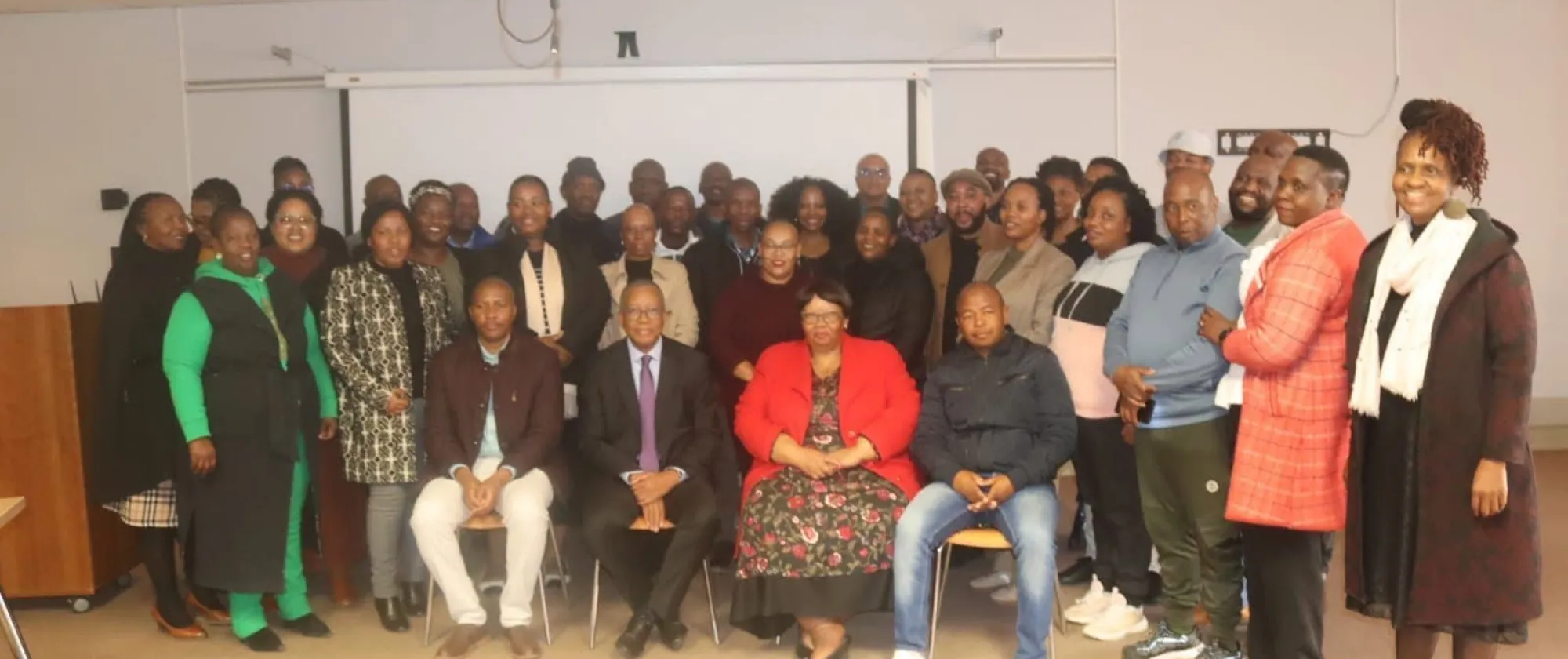
Strengthening social dialogue and collective bargaining in Lesotho’s health sector
Strengthening negotiation skills and social dialogue capacity, the workshop marked an important step towards institutionalising collective bargaining and fostering more collaborative and effective labour relations in Lesotho’s health sector.
8 June 2026
Maseru, Lesotho (ILO News) - The International Labour Organization (ILO) supported a capacity building Workshop on Labour Relations in the Health Sector in Lesotho on 26 to 28 May 2026 which was officially opened by the acting Principal Secretary of the Ministry of Health, Ms. Mats’oanelo Monyobi.
The workshop aimed to strengthen effective and standards-compliant social dialogue in Lesotho’s health sector by enhancing the collective bargaining capacity of employers and trade unions. It sought to prepare stakeholders for sector-based bargaining structures, support the establishment of a Health Sector Bargaining Council, reduce industrial conflict through structured dialogue, and promote compliance with ILO Convention No. 151 and other international labour standards.
The training brought together senior officials from the Ministry of Health, health service administrators, hospital managers, human resource and labour relations professionals, and trade union leaders from the health sector.
The Principal Secretary expressed appreciation to the ILO for its continued partnership and technical support in strengthening labour relations in Lesotho. “Your collaboration remains instrumental in advancing our shared commitment to decent work, good governance, and sustainable development,” she said.
She also thanked trade union representatives for their continued collaboration, noting that the role of social partners is critical in fostering constructive dialogue, mutual understanding, and trust within the health sector. She emphasised that
the progress we seek to achieve in labour relations would not be possible without your engagement, commitment, and willingness to work together in the spirit of partnership.
When reflecting on the on-going reform in labour relations in the public service in Lesotho, the Principal Secretary indicated that the workshop was both timely and strategic. It was taking place at a pivotal moment in the transformation of public service labour relations in the country after the Government of Lesotho’s ratification of Convention No. 151 in 2023 which expanded collective bargaining rights to public officers, including the right to organize and join trade unions.
These milestones, she reflected, “reflect our determination as a nation to align our policies and practices with international labour standards, while ensuring that essential public services-such as health-remain accessible, reliable, and effective”.
Speaking on behalf of trade unions, Mr. David Matsela acknowledged progress since the ratification of Convention No. 151, particularly in establishing mechanisms for collective bargaining and dispute resolution in the public service. He highlighted the role of the Public Service Coordinating Bargaining Council (PSCBC) in fostering collaboration between employers and trade unions and helping to change perceptions that unions exist only to “cause trouble”. He pledged trade union support to the establishment of a sectoral bargaining council for health.
- At the end of the workshop, the following were agreed as the follow-up activities to be undertaken:
- Strengthen stakeholder engagement among government, trade unions, and public sector institutions.
- Raise awareness and build consensus on the role and benefits of bargaining council structures.
- Develop a formal framework for establishing the bargaining council, including its constitution and operational guidelines.
In conclusion, she reaffirmed the
Ministry of Health’s commitment to fostering a labour relations environment that is fair, transparent, and aligned with international best practices and expressed a belief that the workshop would lay a solid foundation for the establishment of a functional and compliant Sectoral Bargaining Council in the health sector. Principal Secretary Ms. Mats’oanelo Monyobi