

Strengthening the integration of children’s rights in Côte d’Ivoire’s mining code
The ILO and UNICEF organized a workshop in Grand-Bassam to strengthen the capacities of staff from Côte d’Ivoire’s National Assembly and Senate on integrating children’s rights into the revision of the Mining Code. This initiative aims to promote more child-sensitive legislation and prevent child labour in the artisanal and small-scale mining sector in Côte d’Ivoire.
10 October 2025
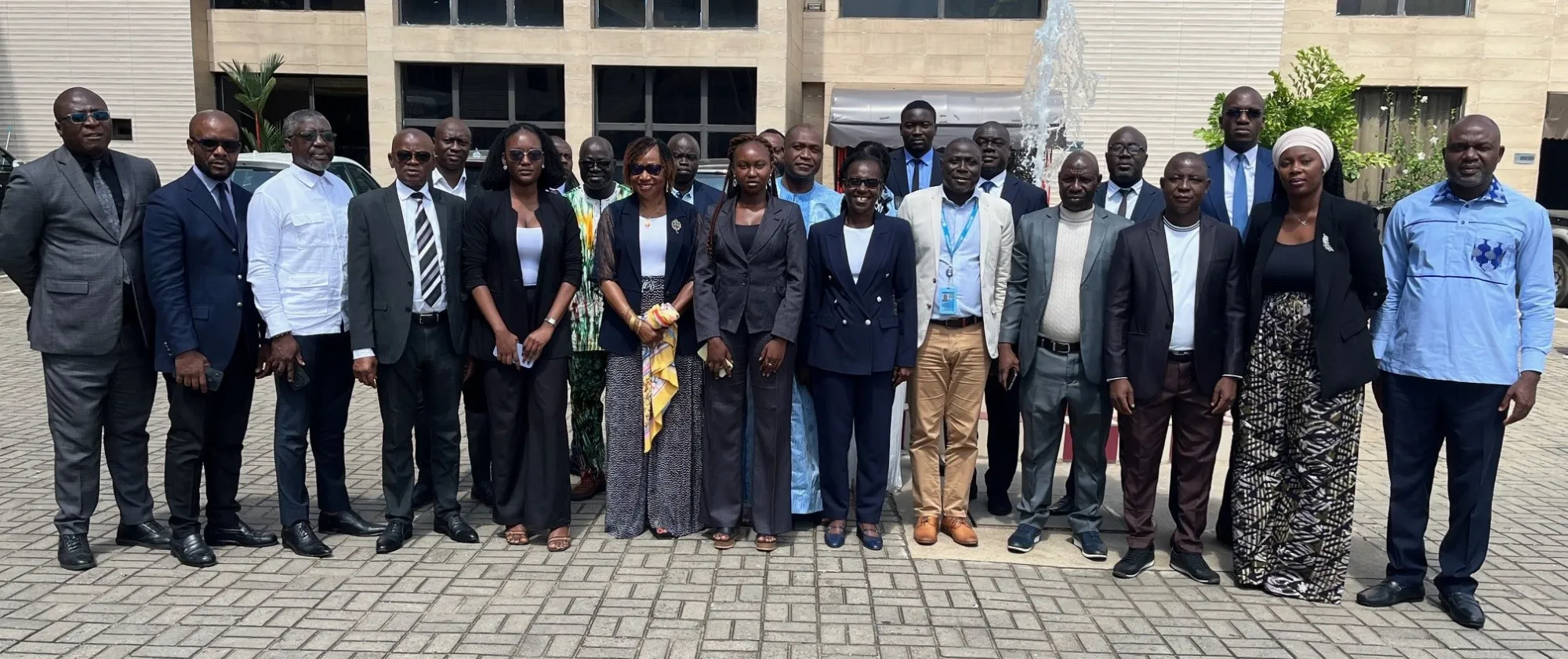
GRAND-BASSAM (ILO News) – On 7–9 October 2025, a workshop organized by the ILO through the ACCEL Africa project funded by the Ministry of Foreign Affairs of the Netherlands and UNICEF strengthened the technical capacities of staff from the National Assembly and Senate of Côte d’Ivoire on children’s rights and the importance of integrating these rights into the revision of the Mining Code. The training aimed to equip them to better support parliamentary work on child-sensitive legislation.
The workshop brought together around thirty participants, including administrators from the National Assembly and Senate, representatives from the Ministry of Family’s Child Protection Directorate, and civil society organizations engaged in the fight against child labour in the mining sector.
The event provided an opportunity for ILO teams under the ACCEL Africa project, UNICEF, and Save the Children to collaborate with institutional stakeholders from the mining sector and parliamentary administration to develop a roadmap for preventing child labour risks in Ivorian legislation, particularly in the revision of the Mining Code. The roadmap also focuses on improving occupational safety and health (OSH) in small-scale open-pit mining operations.
The revision of the Mining Code will serve as a framework to strengthen child protection through the role of parliamentary administrators, who will act as technical focal points for promoting children’s rights. For the organizers and participants, the workshop laid the foundations for enhanced collaboration to ensure that every child can fully thrive and develop.
Agriculture and mining are among the region’s ten major export industries with the highest risk of using child labour in the production of goods and services. In Côte d’Ivoire, the government aims to increase gold production from 38.6 tonnes in 2019 to 40.5 tonnes by 2025. The Artisanal and Small-Scale Mining (ASM) sub-sector spans all 31 administrative regions of the country. Although the Ministry of Mines, Petroleum and Energy does not have reliable estimates of gold production from ASM, the government estimates that at least 500,000 artisanal gold miners are active nationwide.
Child labour in mining remains under-documented compared to the cocoa sector. According to a 2012 study, among children involved in work in mining areas, 53% of girls were engaged in mining activities compared to 30% of boys.
Given its central role in research, guidance, and technical support to legislators, the parliamentary administration plays a crucial role in shaping child-sensitive laws. The workshop therefore aimed to strengthen the skills of parliamentary staff in drafting, reviewing, and enhancing legislative proposals that protect children’s rights. It equipped them to become key actors in parliamentary advocacy, capable of integrating child-related considerations into future debates and legal texts.
Relevant projects
Accelerating action for the elimination of child labour in supply chains in Africa (ACCEL Africa)