

Strengthening cooperative governance through alternative dispute resolution in Kenya
Fostering unity and efficiency in cooperative governance through alternative dispute resolution in Kenya
16 December 2024
Nairobi (ILO News) - The International Labour Organization (ILO), with funding from the Kingdom of the Netherlands, is strengthening Kenya's cooperative sector by enhancing governance capacities. One of the major challenges facing cooperatives is the lengthy court processes required to resolve disputes, which disrupt operations and delay business activities. Common conflicts in the cooperative sector include disagreements among members and boards, between management and boards, and even between cooperatives and government institutions.
Kenya’s cooperative movement is a vital pillar of the country’s economy, comprising over 22,000 registered cooperatives and more than 10 million members. These cooperatives operate across diverse sectors, playing a crucial role in empowering local communities, including those in regions like Turkana and Garissa. However, governance challenges and frequent disputes continue to undermine their full potential.
Recognising Alternative Dispute Resolution (ADR) as a solution
The Kenya Cooperatives Transformation Strategy (KCTS), developed with support from the ILO, identifies governance and dispute resolution as priority areas for reform. Alternative Dispute Resolution (ADR) has emerged as a preferred mechanism for managing cooperative disputes. ADR aligns with cooperative principles of mutual aid, fairness, and collaboration, offering a quicker and less confrontational approach to conflict resolution.
The Cooperatives Tribunal of Kenya, a quasi-judicial body established under the Co-operative Societies Act, No. 12 of 1997, has noted that many of the cases it handles could be resolved through ADR. The Kenya Cooperatives Transformation Strategy and the new Cooperatives Bill 2024 both highlight ADR as a key enabler of better governance and conflict resolution. ADR is also a constitutional principle under Article 159(2) of the Constitution of Kenya, which mandates the promotion of reconciliation, mediation, arbitration, and traditional dispute resolution mechanisms.
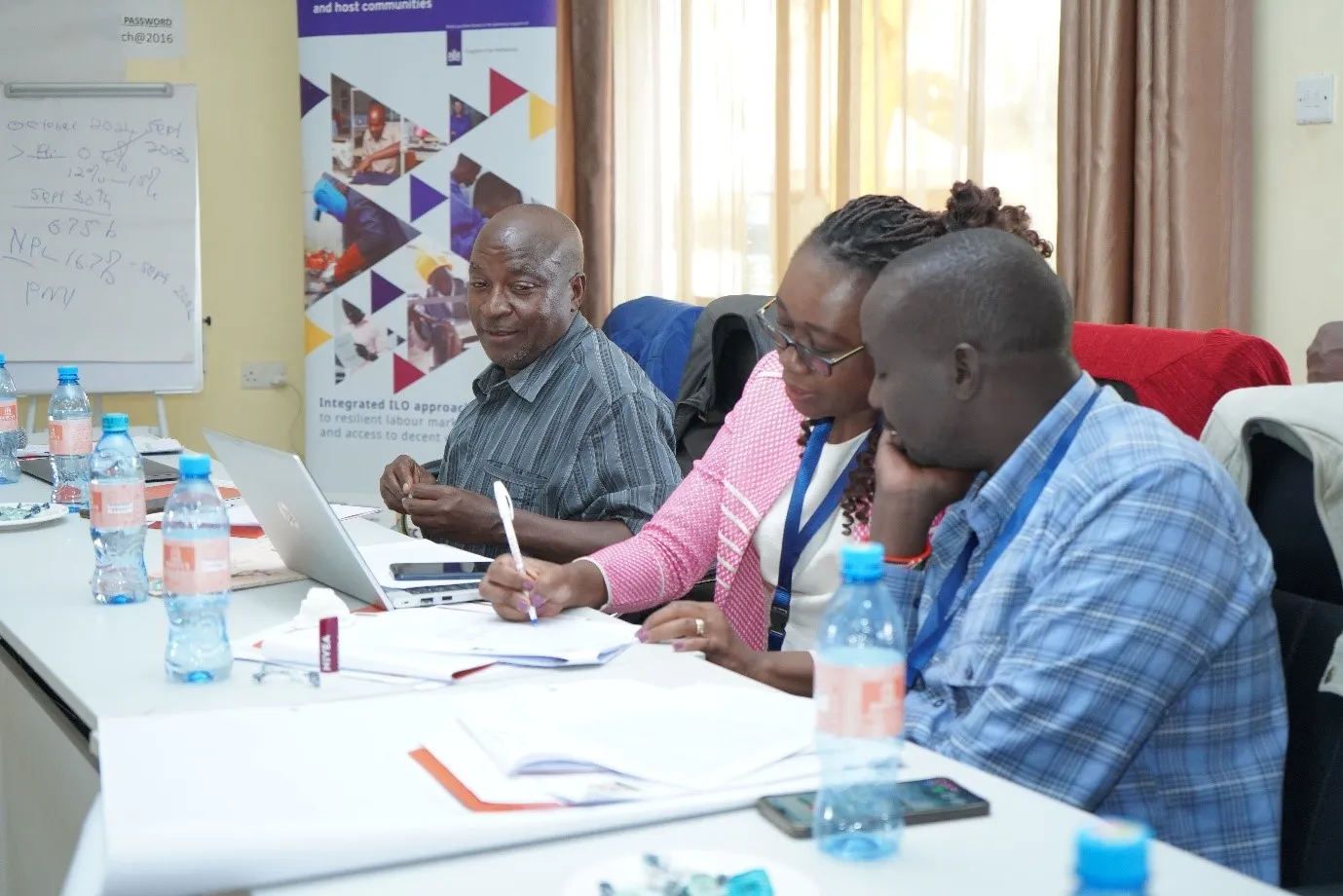
To build ADR capacity within Kenya’s cooperative movement, the PROSPECTS programme, in collaboration with the State Department of Cooperatives, the Cooperatives Tribunal, and the Council of Governors, launched a Training of Trainers (TOT) initiative. This programme targeted County Cooperative Directors responsible for supporting and overseeing cooperatives across Kenya. Delivered in two cohorts, the training reached 74 participants, including 47 cooperative directors and 27 officers from government cooperative support institutions.
The training brought together key stakeholders to develop practical skills for resolving disputes efficiently and amicably. This initiative aligns with ILO’s broader mission of fostering improved socio-economic environments for host communities and refugees while advancing Kenya’s cooperative governance.

The role of ADR in cooperative governance
Mr. George Obonyo, Commissioner of Cooperatives, highlighted the critical advantages of ADR in Kenya’s cooperative sector, “ADR provides an opportunity to resolve disputes faster and amicably, enabling cooperatives to focus on their core business. It not only saves time and resources but also fosters trust and collaboration among stakeholders. By adopting ADR, cooperatives can strengthen their internal governance, improve member satisfaction, and ensure disputes are handled in a way that preserves relationships and promotes long-term organisational growth.”
ADR mechanisms such as mediation, arbitration, and negotiation offer a cost-effective and less confrontational alternative to formal litigation. These methods, enshrined in Article 159(2) of the Constitution of Kenya, are particularly relevant to cooperative disputes, which often involve ongoing relationships among members, boards, and other stakeholders.
Caroline Njuki, Chief Technical Advisor of the ILO PROSPECTS Programme, further emphasised the importance of inclusivity in ADR processes, “Integrating refugees into cooperative dispute resolution frameworks is crucial. By enabling refugees to actively participate in cooperative structures, the project not only empowers them economically but also facilitates social cohesion with the host communities, especially in areas like Garissa (Dadaab), Turkana, and Nairobi.”
By adopting ADR practices, Kenya’s cooperatives can resolve disputes more efficiently while preserving relationships and promoting collaborative governance.
Insights from the ADR Training
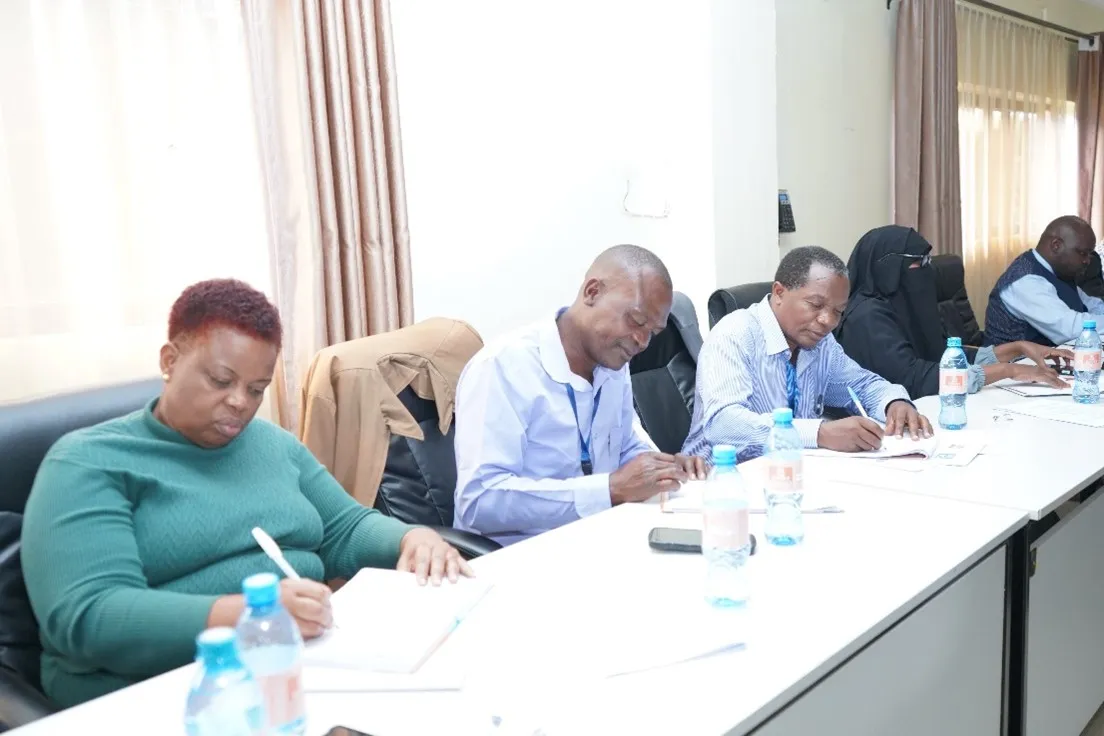
Participants in the training enhanced their practical skills in mediation and negotiation, demonstrating an improvement in overall competency. Highlights of the training included:
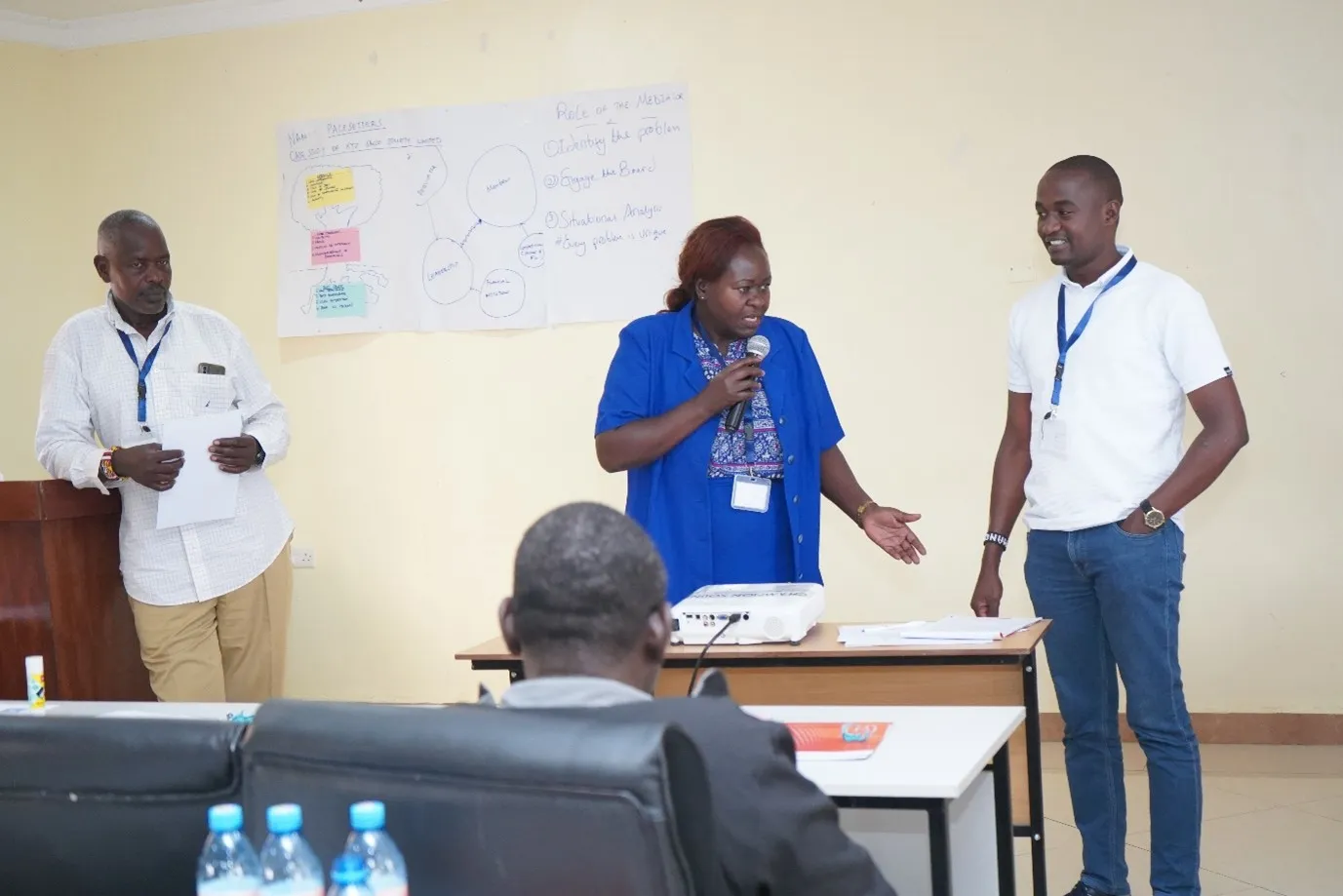
- Practical Learning: Role-playing exercises and real-world case studies enhanced participants' abilities to handle disputes effectively.
- Inclusivity: Gender-responsive approaches were integrated to address the underrepresentation of women in leadership and dispute resolution roles.
- Sustainability: The certification of Training of Trainers (ToT) ensures the continuity of ADR capacity-building efforts.
Why ADR Matters for Kenya’s Cooperatives
Cooperatives frequently experience conflicts, whether among members, between boards and management, or with external stakeholders such as service providers and government institutions. Alternative Dispute Resolution (ADR) offers an effective solution by preserving relationships, reducing costs, and fostering trust—qualities that are critical for the success and sustainability of member-based organisations. By addressing conflicts quickly and amicably, ADR ensures cooperatives can focus on their core business and continue driving economic and social development.
Peter Theuri, a participant from Nyeri County, highlighted ADR’s transformative potential, “With ADR, we can prevent small disputes from escalating into costly and prolonged conflicts. It’s an essential tool for building stronger and more cohesive cooperatives.”
A Vision for the Future
The training programme concluded with an agreement to explore establishing county-level mediation centres, promote gender-inclusive ADR policies, and integrate ADR training into cooperative education.
Additionally, the PROSPECTS programme, in collaboration with relevant government departments, plans to expand ADR initiatives to include refugees, fostering peaceful coexistence within host communities and enhancing social cohesion.
Dr. Francis Kamande, Chairman of Cooperative Mediation Services, summarised the broader vision, “Integrating ADR into Kenya’s cooperatives ensures harmony, enhances governance, and strengthens our economy. This is not just about resolving conflicts; it’s about transforming cooperatives into resilient pillars of development. By embedding ADR practices, we are fostering a culture of collaboration and trust that will enable cooperatives to thrive in an increasingly competitive and dynamic environment, ultimately driving sustainable economic growth and community empowerment.”

The ADR training represents a critical step in transforming dispute resolution within Kenya’s cooperative sector. With ongoing support from ILO and the Kingdom of the Netherlands, Kenya’s cooperative sector is better equipped to improve self-governance in line with cooperatives principles and realise their potential as engines of socio-economic development.
Relevant projects

ILO-Netherlands Partnership
Partnership for improving prospects for forcibly displaced persons and host communities (PROSPECTS) in Kenya
Programme
Partnership for improving prospects for forcibly displaced persons and host communities (PROSPECTS)