Southern Africa turning social dialogue into productivity and decent work
A regional symposium convened by National Economic Development and Labour Council, the ILO and Productivity South Africa identified practical priorities for stronger institutions, inclusive enterprise transformation, better data and regional cooperation.
9 September 2026
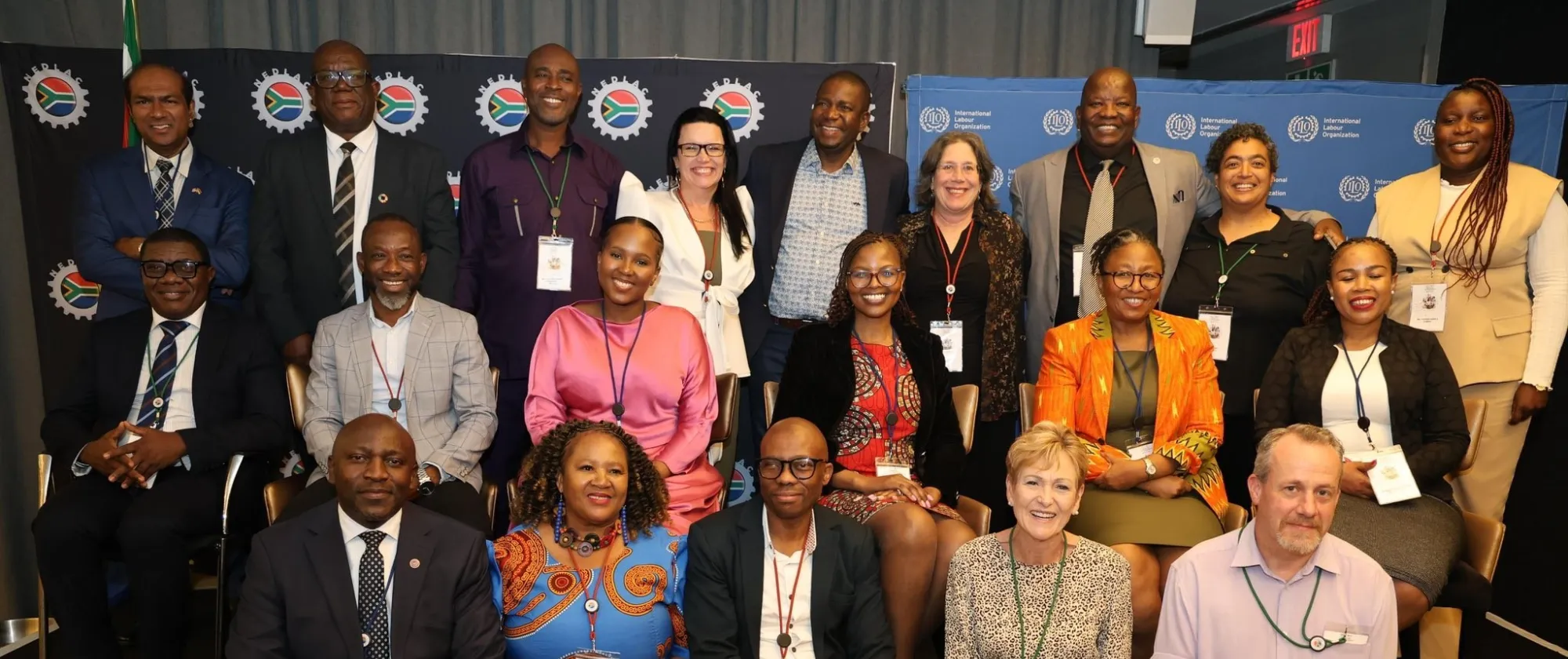
South Africa, Pretoria (ILO News) – Representatives of governments, employers, workers, and community constituency, together with social dialogue and productivity institutions and regional partners, called for a coordinated approach to raise productivity while advancing decent work, employment and inclusive economic growth across Southern Africa.
Under the theme “Advancing Productivity and Decent Work through Social Dialogue in Southern Africa,” the symposium brought together participants from across Southern Africa and other parts of the continent to share practical experiences and identify opportunities for cooperation. Discussions centred on how institutions can move from policy commitments to measurable results.
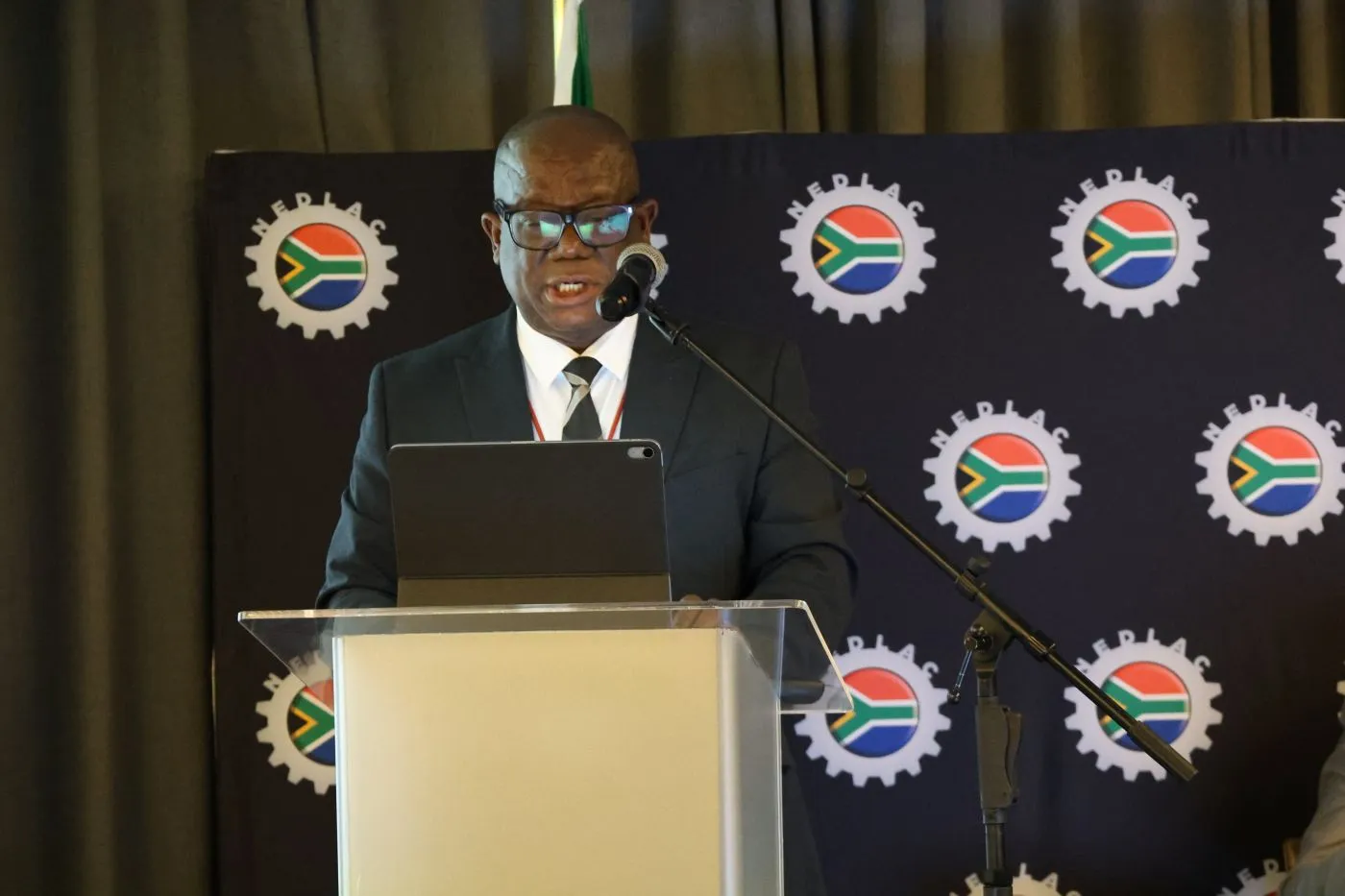
Opening the symposium, Acting Deputy Director-General for Labour Policy and Industrial Relations, at the Department of Employment and Labour, Sipho Ndebele linked dignity at work to voice, stressing that social dialogue turns workers ‘input into practical strategy.
The symposium took place against a challenging regional backdrop: low and uneven growth, high unemployment and youth exclusion, skills mismatches, informality and uneven access to decent work. At the same time, digitalisation and artificial intelligence, climate change, industrial transformation and shifting trade patterns are reshaping economies and labour markets.
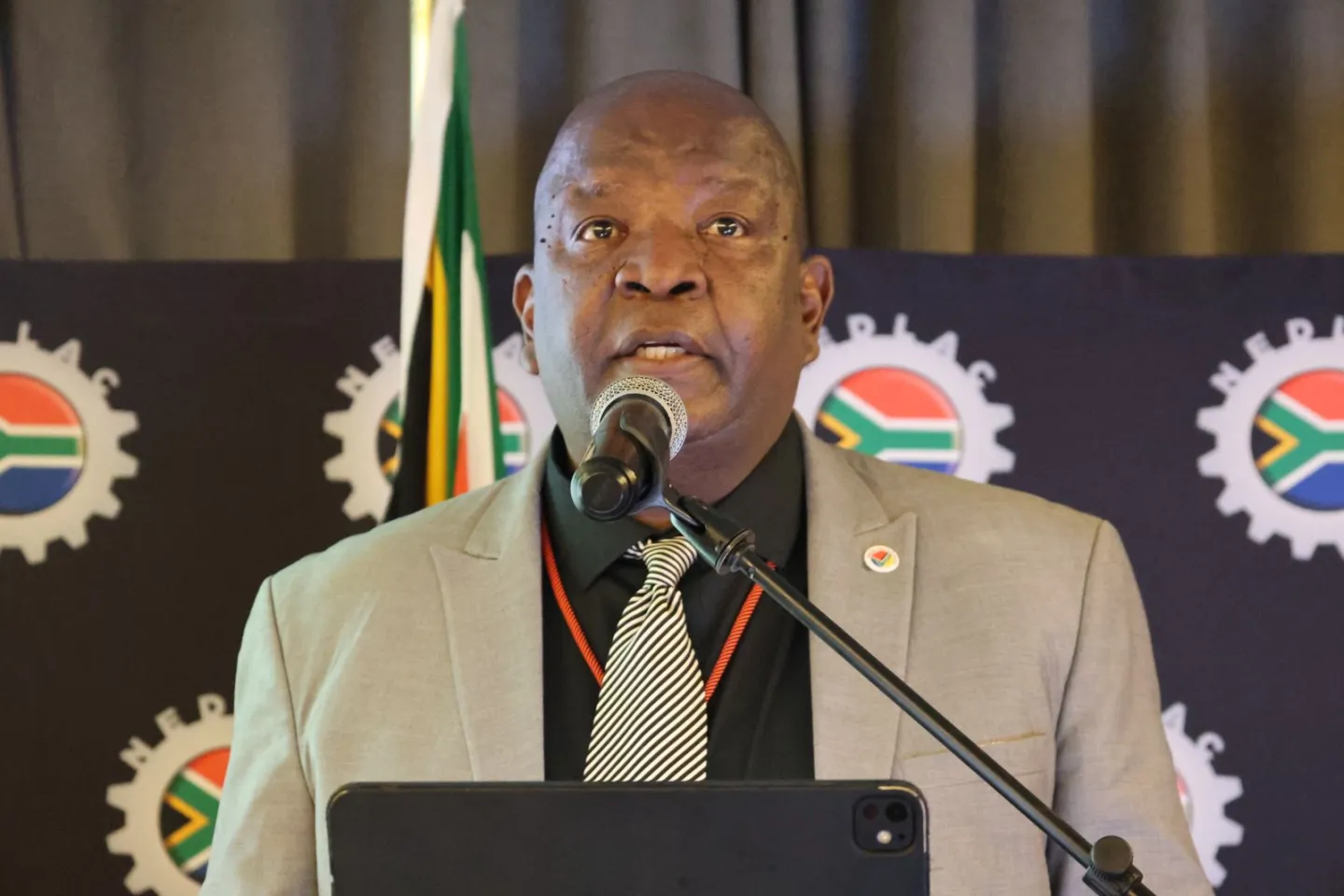
In her keynote address, the Deputy Minister of Employment and Labour Judith Nemadzinga-Tshabalala, located the discussion within the African Union’s Agenda 2063 and the United Nations 2030 Agenda for Sustainable Development. She highlighted SDG 8 (Decent Work and Economic Growth), specifically, and Target 8.3, which calls for policies that support productive activities, decent job creation, entrepreneurship, and formalization.
Productivity with a social purpose
ILO Pretoria Director Alexio Musindo cautioned against treating productivity as an end in itself or equating it with job cuts, work intensification or cost reduction alone. "We are discussing productivity with a social purpose," he said. A sustainable, high-road approach, he added, must be built on investment, skills, innovation, better management, technology, reliable infrastructure, worker participation and decent working conditions.
In her opening remarks, Nedlac’s Acting Executive Director, Nobuntu Sibisi, highlighted that shared regional challenges of unemployment, skills gaps, informality, digitalisation and the green transition, stressing that no country or social partner can address them alone.
Strong social dialogue is essential to turn diverse perspectives into practical, collective action. Nobuntu Sibisi
Participants described social dialogue as essential infrastructure for productive transformation: it enables workers to shape change, gives enterprises greater certainty to invest and helps governments develop policies that people understand, support and can implement.
ILO Director for Governance Vera Paquete-Perdigão urged a shift from dialogue as an event to dialogue as a continuous governance process. Effective institutions, she said, should do more than convene meetings. They should bring together economic, enterprise and workplace knowledge; jointly diagnose productivity constraints; negotiate responsibilities; monitor implementation; and return to the table when evidence shows that action is not delivering.
The discussion also underscored that Productivity gains do not automatically deliver decent work or shared prosperity. Strong policies, institutions and social dialogue are essential to ensure productivity translates into better jobs, working conditions and sustainable enterprises.
From institutions to workplace results
Country experiences from Botswana, Zambia, Ghana, Mauritius and South Africa showed that mandates on paper are not enough. National productivity and social dialogue institutions need clear legal authority, representative and autonomous social partners, meaningful community participation, technical capacity, predictable resources, credible data and strong links to implementation. Participants also stressed that dialogue must connect national priorities with sectoral, enterprise and workplace realities.
At enterprise level, speakers stressed that productivity and skills development must advance together, enabling businesses to adapt and workers to reskill. For SMEs, sustainable productivity requires continuous improvement and stronger internal capacity, supported by wider sectoral and policy interventions.
Digitalisation, AI and the green transition bring both opportunities and risks. Participants stressed early planning, reskilling, responsible technology use and worker participation, with inclusion of young people, women, persons with disabilities and informal workers built into productivity programmes from the outset.
Labour representatives cautioned that productivity cannot be separated from labour rights, collective bargaining and fair distribution. Healthy, secure and adequately paid workers are not only beneficiaries of productivity gains; they are also a condition for sustainable productivity.
Better data and regional accountability
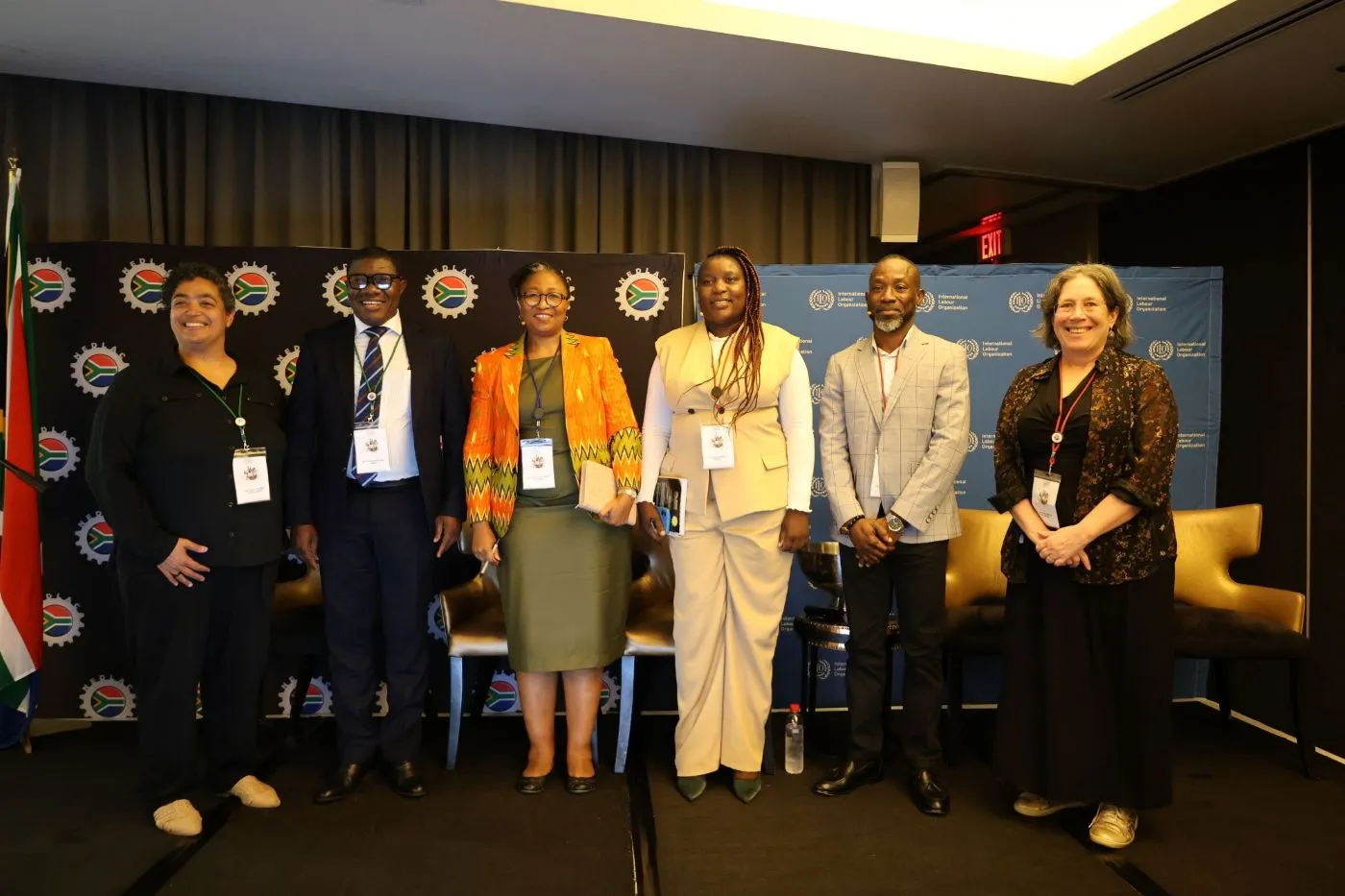
The closing panel called for better, comparable data on labour underutilisation, productivity, jobs and working conditions to strengthen policy decisions, social dialogue and accountability. Data should support policy choices, social dialogue and accountability, not simply reporting.
Participants called for renewed implementation of existing regional commitments, including the 1999 SADC Declaration on Productivity and the SADC Regional Indicative Strategic Development Plan (RISDP) 2020-2030. Proposals included stronger networks among social dialogue and national productivity institutions, communities of practice, peer learning, more comparable regional data, practical support for SMEs and value-chain upgrading, and regular review of progress.
The Symposium partners will consolidate the discussions into an outcome note capturing key lessons, recommendations and proposed follow-up actions for SADC social dialogue institutions and regional partners. Success will be measured by whether dialogue delivers tangible results for enterprises and workers. Musindo left participants with a practical test. When they meet again next year, what will have changed because of the symposium?