

South Sudan Strengthens Trade Union Role in Peace, Resilience, and Migrant Worker Protection
A two-day workshop on the role of trade unions in consolidating peace, resilience, and the protection of migrant workers.
24 July 2025
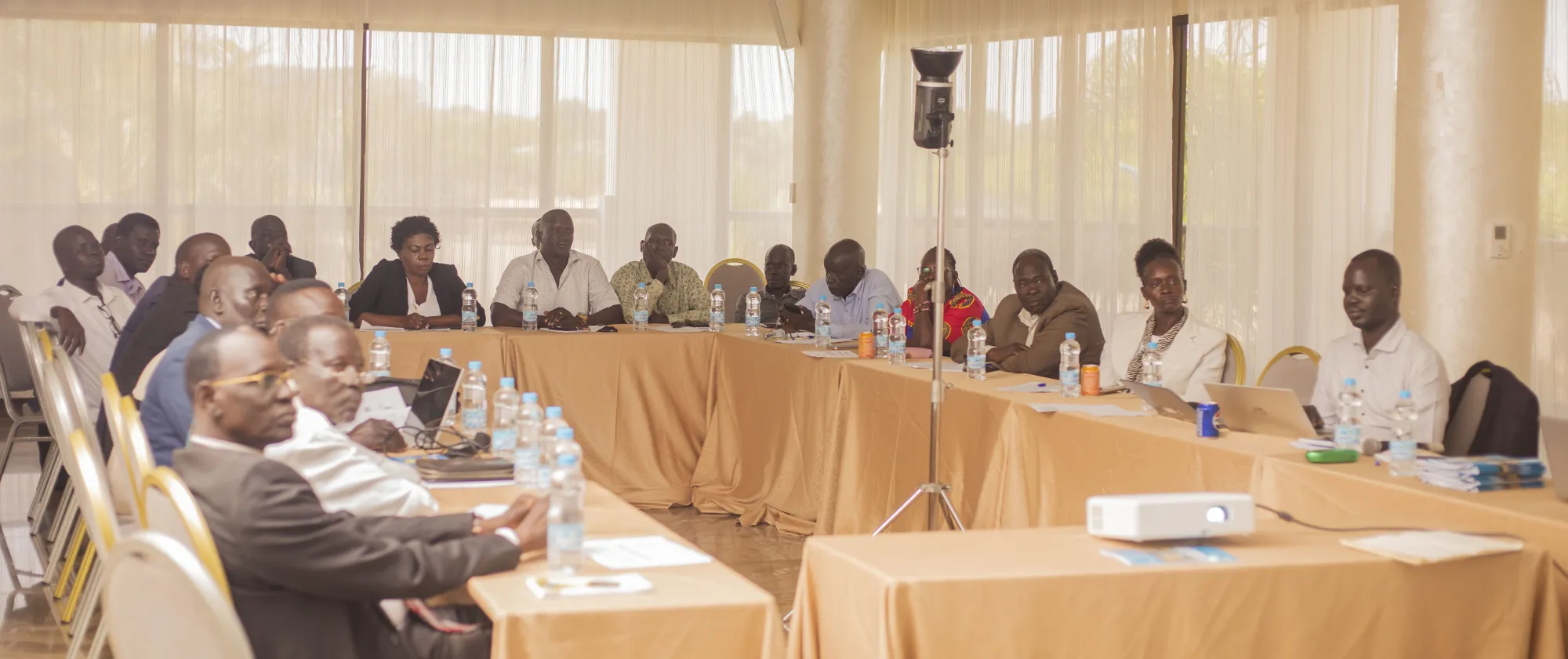
A two-day workshop on the role of trade unions in consolidating peace, resilience, and the protection of migrant workers was held from 23 to 24 July 2025 in Juba. The South Sudan Workers’ Trade Union Federation (SSWTUF), in collaboration with the ILO Better Regional Migration Management (BRMM) Programme, convened the meeting to enhance the capacity of union officials and migrant workers to engage effectively in conflict prevention, disaster response, and labour protection, using international labour standards.
The workshop focused on Recommendation 205 on employment and decent work for peace and resilience, and Convention 143 on migrant workers. Participants explored how these instruments apply within South Sudan’s humanitarian, development, and peace context, with the objective of identifying practical entry points for trade union engagement in conflict resolution, inclusive development, and migrant worker protection.
Opening remarks from the Ministry of Labour, SSWTUF leadership, employers, and ILO specialists highlighted the ongoing impacts of conflict, climate-related disasters, displacement, and weak labour institutions on workers, including migrants. Speakers stressed the crucial role of unions in social dialogue, rights awareness, and national recovery efforts.
Workshop sessions covered:
- Key provisions of Recommendation 205, including prevention, preparedness, and employment recovery.
- Drivers of fragility affecting the labour market and strategies for a coordinated humanitarian-development-peace approach.
- The role of trade unions in protecting migrant workers’ rights, including organizing, advocacy, legal awareness, and reporting mechanisms.
Group discussions allowed participants to assess SSWTUF’s current contributions to peacebuilding and labour protection. Achievements identified included:
- Raising awareness on the link between peace and development
- Advocating for vulnerable workers
- Delivering humanitarian assistance
- Supporting skills development
Challenges highlighted included limited resources, weak coordination, gaps in law enforcement, inadequate ratification of labour standards, skills mismatches, and broader political tensions.
Participants identified priority areas for further action:
- Improving access to justice and strengthening labour inspection
- Enhancing social dialogue and advancing policy reforms
- Expanding cooperation with government, employers, and international partners
- Structuring union roles in monitoring labour standards and supporting conflict-affected communities
The workshop concluded with the development of an initial action plan guiding SSWTUF’s engagement in peacebuilding, resilience, and migrant worker protection. Priority actions include:
- Promoting national dialogue and revitalizing the peace agreement
- Advocating for skills development
- Expanding trade union involvement across the humanitarian-development-peace nexus
- Supporting implementation of social protection and employment policies
- Promoting fair recruitment and union-to-union cooperation
- Advocating for the establishment of a Migrant Resource Centre
Closing remarks from the Ministry of Labour, employers, and the ILO emphasized the importance of sustained engagement, collaboration, and follow-through. Participants committed to applying their knowledge to strengthen trade union contributions to peace, resilience, and migrant worker protection in South Sudan.
Relevant projects

East and Horn of Africa
Better Regional Migration Management