

South Sudan Journalists Strengthened their Capacities to Report on Labour Migration with Depth and Accuracy
Labour migration in South Sudan is under-reported, often misunderstood, and rarely told from the perspective of the migrant workers themselves. A media roundtable in Juba aimed to change the starting point.
10 April 2026
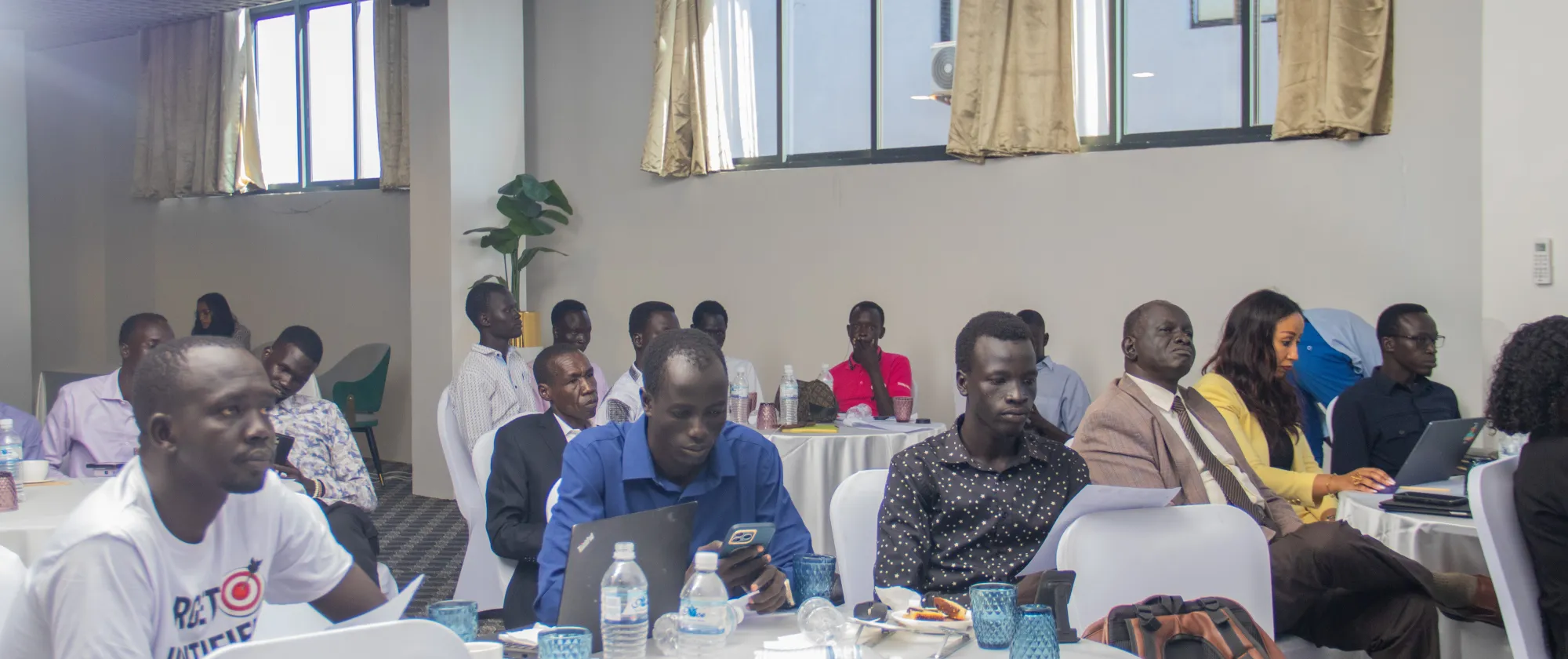
JUBA, South Sudan (ILO News, 8 April 2026): The ILO BRMM Programme, funded by the UK FCDO, organised a media roundtable in Juba dedicated to improving how journalists cover labour migration in South Sudan. The half-day event brought together 47 participants (7 women), including reporters, editors, and correspondents from national and international media outlets based in Juba. The event also featured South Sudanese tripartite partners, including representatives from the Ministry of Labour, the Employers' Association of South Sudan, and the South Sudan Workers' Trade Union Federation.
South Sudan has one of the youngest populations in the world, with over 74 per cent of its people under 30. Many of them enter the labour market with very few formal opportunities, and migration has become a common livelihood strategy. Despite ongoing efforts to advance the agenda of safe, orderly, and regular labour migration in South Sudan, the country still lacks a comprehensive labour migration governance framework, leaving many South Sudanese reliant on informal intermediaries with little protection against exploitation or abuse. In this context, how journalists report on migration carries real weight.
Misinformation travels fast. Inaccurate coverage, whether it sensationalises risk, ignores lived experience, or gets the policy picture wrong, has real consequences for real people
Aida Awel, Chief Technical Adviser, ILO BRMM Programme
The opening session, delivered by officials from the Minister of Labour, representatives from the Employers' Association of South Sudan, the South Sudan Workers' Trade Union Federation, and the ILO, underscored the need for accurate public understanding of labour migration in South Sudan.
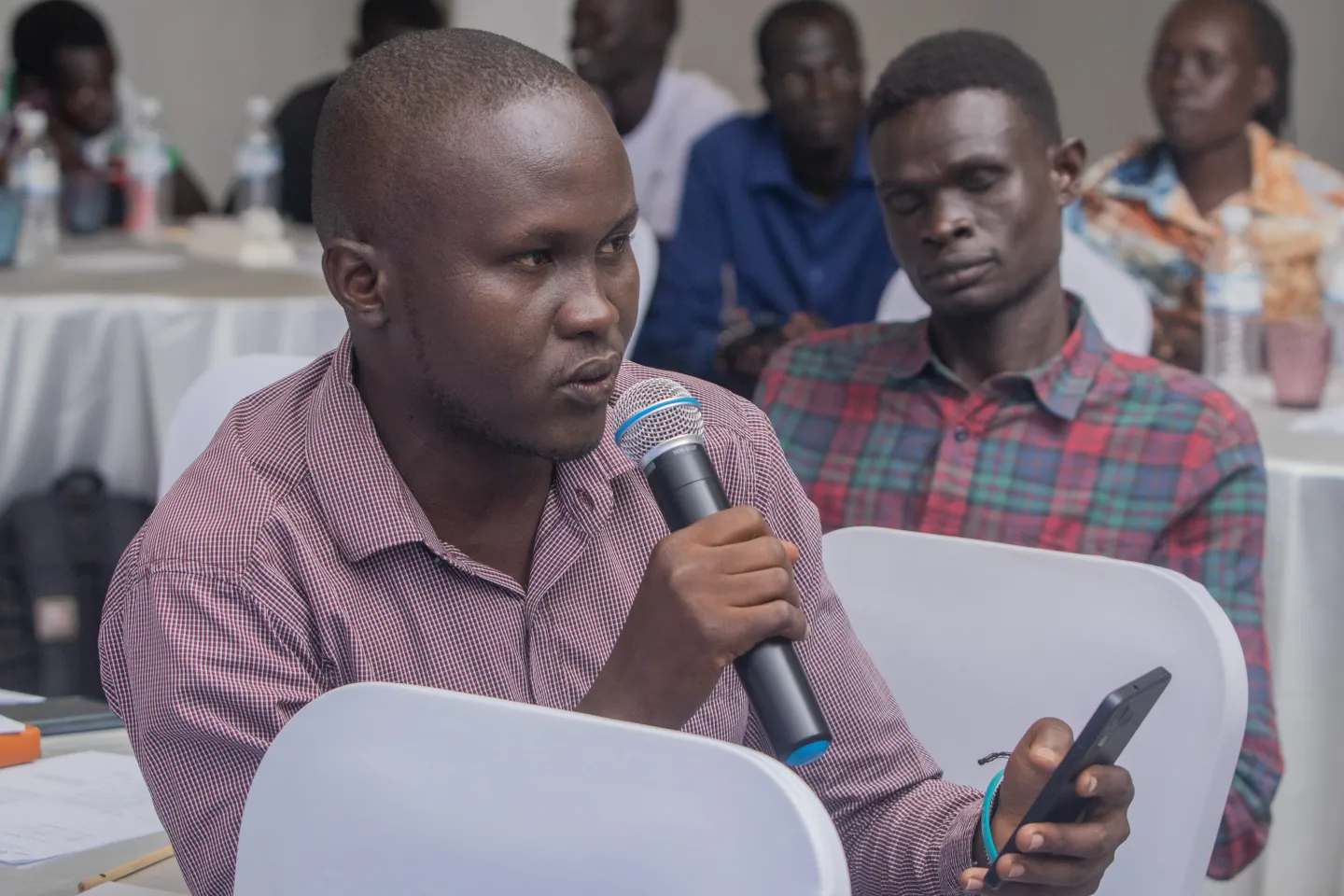
The session then moved into a comprehensive briefing by Aida Awel, Chief Technical Adviser of the BRMM Programme. She provided an overview of South Sudan's migration profile, key regional corridors, governance gaps, and ongoing ILO interventions in the country. This was followed by a strategic presentation from Yonas Berhane, Communications Officer of the BRMM Programme, who introduced the ILO media toolkit for journalists covering migration, forced labour, and fair recruitment in the East and Horn of Africa, walking participants through reporting ethics, terminology, sourcing, and how to tell stories that reflect lived realities without distortion. Finally, a plenary discussion allowed journalists to discuss the localized challenges of reporting migration.
Participants left with media briefing materials, including data, the recently published ILO media toolkit for the East and Horn of Africa, and a terminology guide. The session also opened the door to longer-term collaboration between the ILO, government institutions, and South Sudanese media on sustained and responsible migration reporting.
Relevant projects

East and Horn of Africa
Better Regional Migration Management