

Skills development
South Africa Advances Just Transition with Skills for Green Jobs
Inclusive Social Dialogue Sessions in South Africa’s Eastern Cape and Mpumalanga provinces are helping shape skills development strategies to support a just transition to a low-carbon, climate-resilient economy.
2 July 2025
PRETORIA (ILO News) – As South Africa moves steadily toward a low-carbon and climate-resilient economy, the need to equip workers with future-fit skills has never been more urgent.
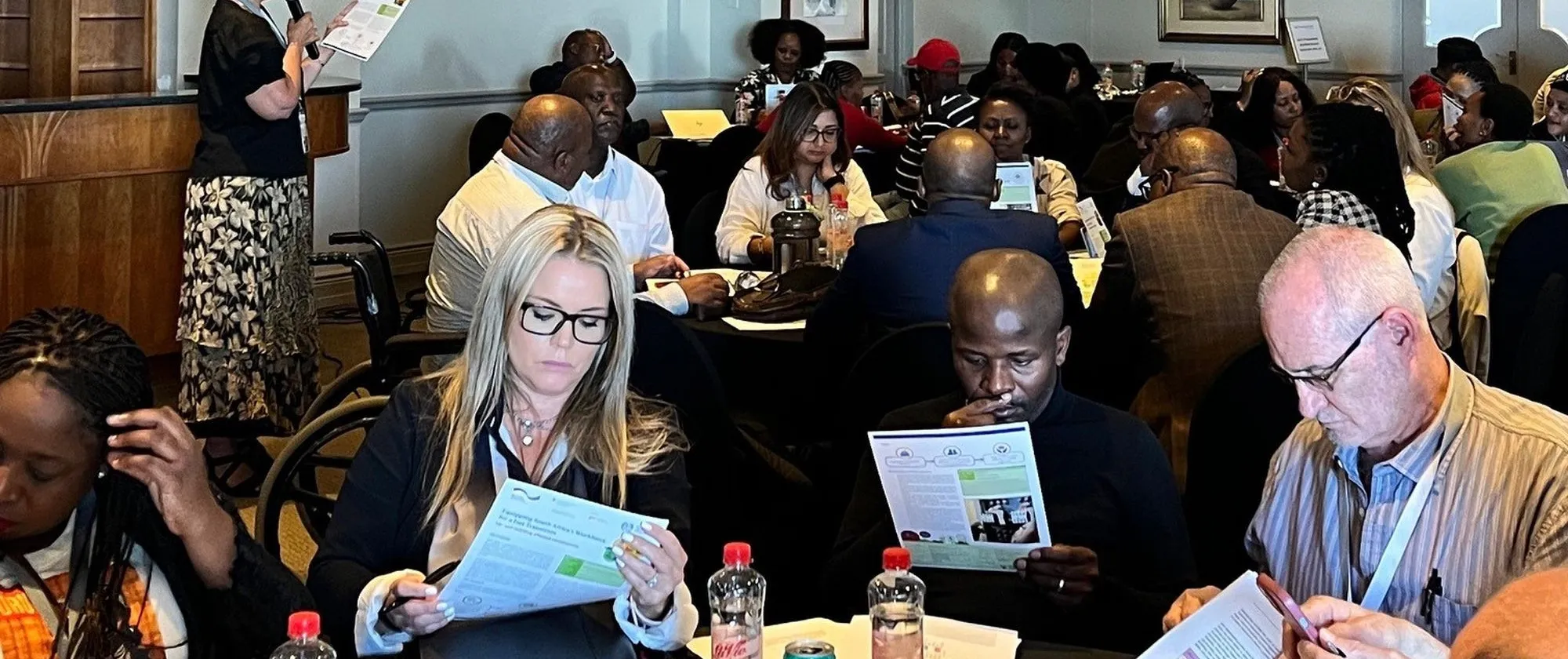
In May 2025, the International Labour Organization (ILO), together with Deutsche Gesellschaft für Internationale Zusammenarbeit (GIZ), hosted two Social Dialogue Sessions in the Eastern Cape and Mpumalanga provinces. These sessions were held under the broader initiative, Equipping South Africa’s workforce for a just transition through upskilling and reskilling, which forms part of the Career Path Development for Employment (CPD4E) project. The initiative supports the implementation of the skills development component of South Africa’s Just Energy Transition Investment Plan (JET-IP).
The dialogues provided a vital platform for inclusive engagement, bringing together government, employers' and workers' organizations, education and training institutions, and local communities. With research led by the University of the Witwatersrand and Rhodes University, participants validated findings on occupations at risk and emerging roles linked to the shift toward low-carbon energy. Stakeholders in both provinces co-designed pilot initiatives for upskilling and reskilling, and identified priority groups and sectors requiring targeted skills development to benefit from emerging opportunities.
Eastern Cape: Reskilling for a Greener Automotive and Agricultural Sector
In the Eastern Cape, discussions focused on the transformation of the automotive sector, particularly the shift from internal combustion engines to New Energy Vehicles (NEVs). The renewable energy sector was also spotlighted, with opportunities identified in solar and wind power, battery storage, and green hydrogen.
Agriculture was another key area, where renewable energy could offer reliable and clean power for farms. Stakeholders proposed reskilling initiatives for vehicle mechanics, the development of electric vehicle (EV) technician training, and mobile or virtual learning approaches to reach rural learners and underrepresented groups.
Mpumalanga: Transitioning from Coal to Opportunity
Mpumalanga, traditionally a coal-reliant province, grapples with the direct implications of power station decommissioning and the socioeconomic ripple effects. The dialogue explored how to re-skill workers for roles in renewables energy, mechatronics, and agricultural innovation. Key ideas included training programmes for drone operators, smart irrigation technicians, and hydrogen-ready plumbers. Community-driven approaches and Recognition of Prior Learning (RPL) for workers who have years of experience and skills related to emerging occupations were also emphasized to ensure no one is left behind.
In both provinces the need to develop not only skills but also opportunities for income generation, employment or livelihood were emphasized highlighting the necessity for sustained collaboration amongst stakeholders and partners from both demand and supply side of the labour market.
Skills, Inclusion and Collaboration: Foundations of a Just Transition
Across both provinces, stakeholders emphasised that technical skills alone are not enough. There is a parallel need to foster sustainable income generation, employment creation and livelihoods. This requires long-term collaboration among partners from both the demand and supply sides of the labour market.
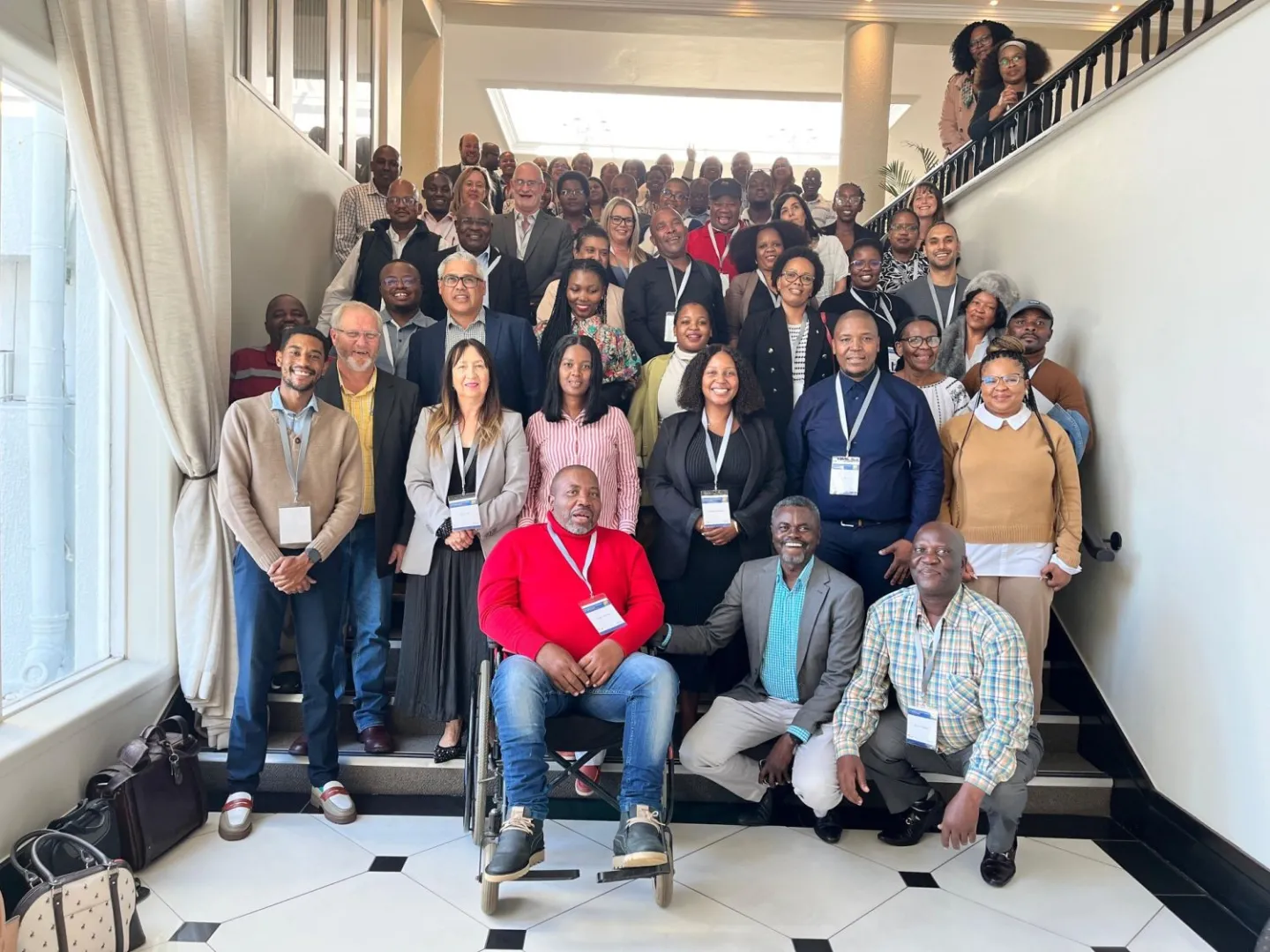
Common themes emerged: the central role of social dialogue, the urgency of responsive skills development, and the need for inclusive approaches. All efforts prioritised groups most at risk of being left behind, particularly women, youth, persons with disabilities, and workers affected by the transition.
By anchoring its strategy in research, inclusive dialogue and local ownership, South Africa is laying the foundation for a workforce that is resilient, future-ready and able to seize the opportunities of a just energy transition, one skill at a time.