

A market systems development model
The silage business helping other businesses grow
An established enterprise in Narok is testing whether it can help new silage businesses enter the fodder market and bring quality feed closer to livestock farmers.
15 September 2026
NAROK, Kenya (ILO News) – In Narok County, fodder is becoming a business in its own right. As more farmers move to improved dairy and beef breeds and more intensive production systems, demand for quality feed is rising. However, the county already faces a significant feed shortfall, together with shortages of specialized skills in harvesting, preservation and mechanization.
An International Labour Organization (ILO) assessment found that 94 per cent of fodder enterprises surveyed in Narok identified harvesting and post-harvest operations as critical to their business. Some 88 per cent highlighted fodder agronomy, while 66 per cent identified silage, baling and storage.
The assessment describes a market where commercial producers lease land, run mechanized operations and sell to large livestock enterprises and smallholder dairy farmers. But trade is mostly informal, supply is seasonal, and prices climb in the dry months when feed runs short.
Silage, which is fodder preserved through fermentation so it can be stored and fed to livestock later, can help bridge that gap. Producing enough good-quality silage, however, takes more than a good crop.
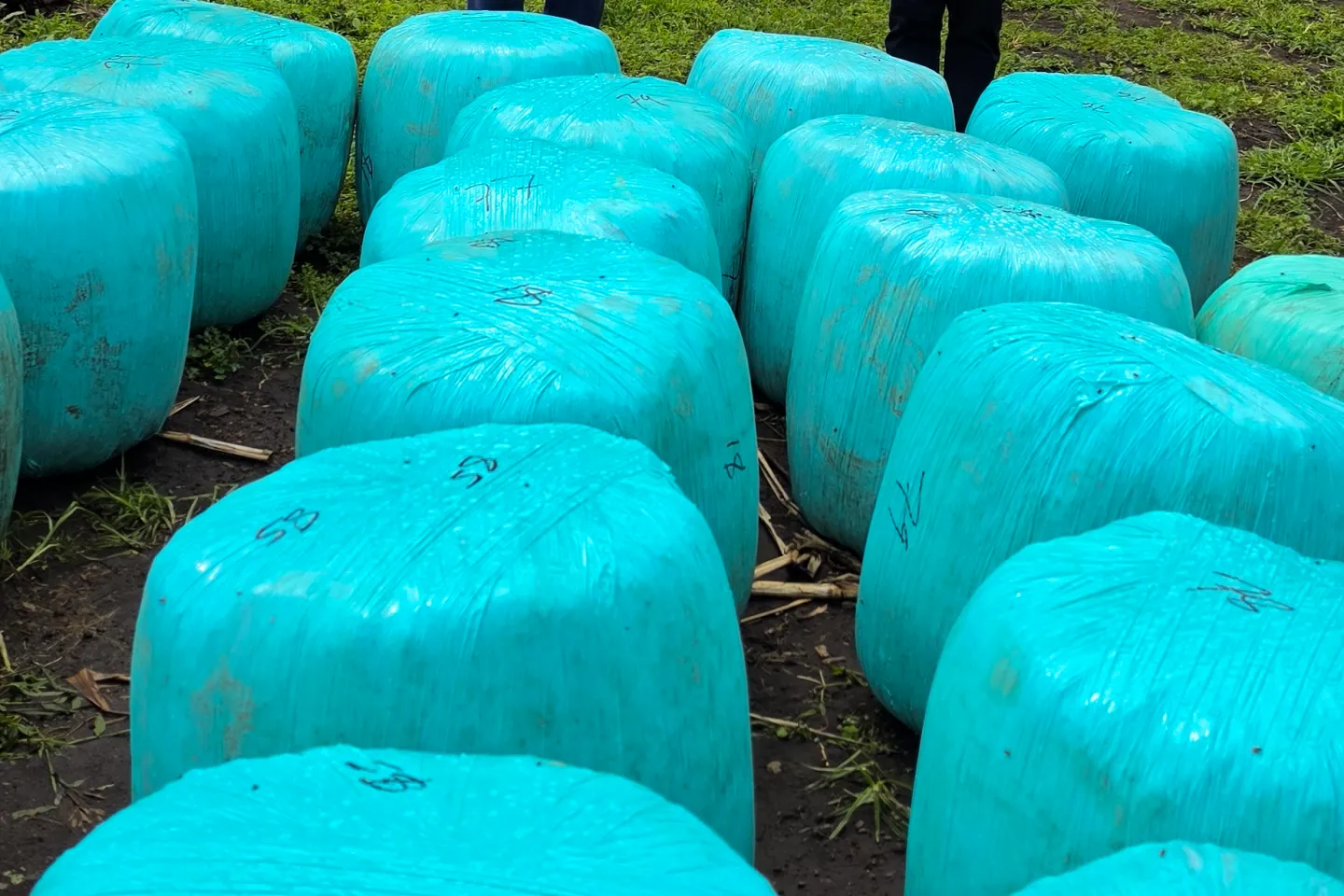
The fodder market systems analysis, funded by the Swedish International Development Cooperation Agency (Sida), found few mechanization service providers in Narok. Machinery is costly and hard to repair, and delays at harvest lead to losses. The analysis also found limited skills in machine operation, fodder conservation and business management. Finance is rarely designed for fodder enterprises, and there are no common quality standards to help buyers tell good silage from poor.
For a new business, that is a lot to overcome alone.
Growing from within
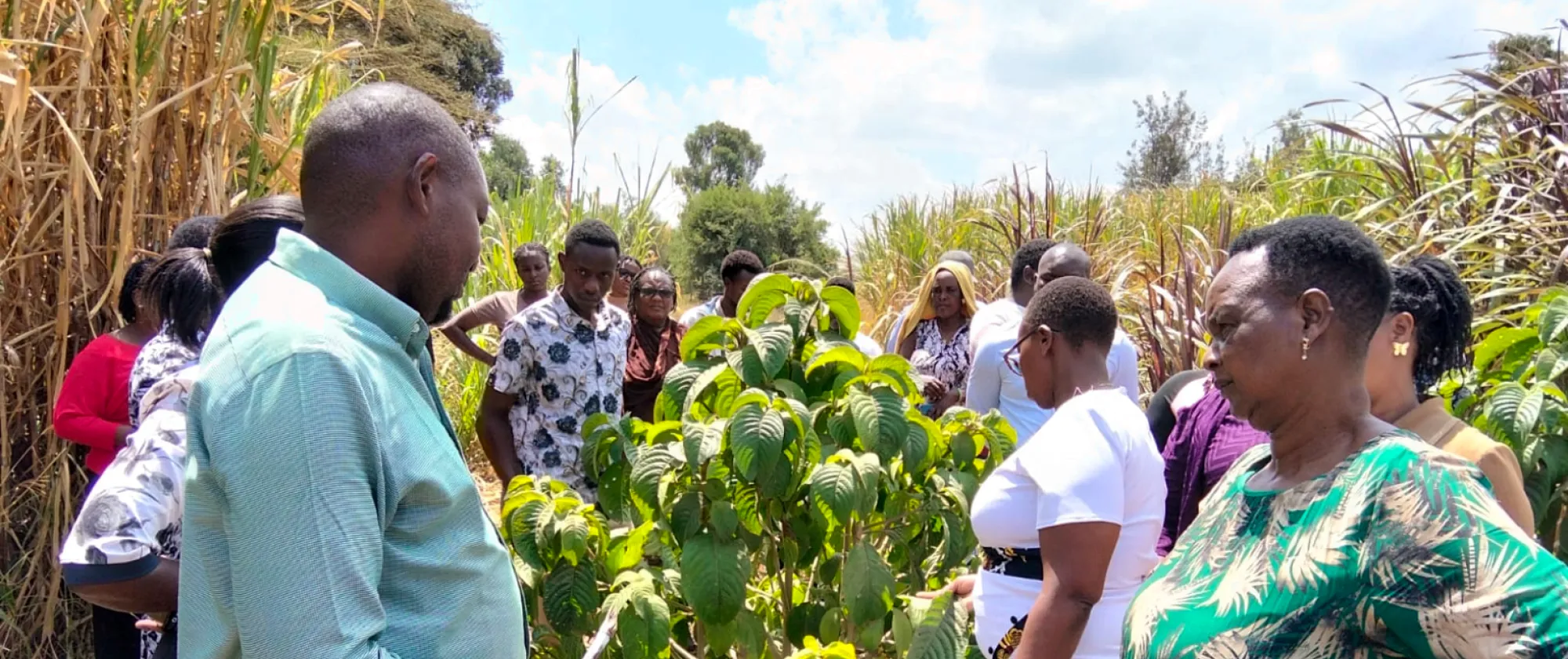
Tiddy Fodder Farm, an established silage enterprise in Narok, is testing a different route. Instead of expanding on its own, it is incubating emerging silage enterprises. It shares equipment, production know-how and business practices while building a commercial relationship with each enterprise.
The new enterprises go through several stages. They are screened and onboarded, then trained in technical, business and occupational safety skills. They are mentored through a full production cycle. Together with Tiddy Fodder Farm, they are developing standard operating procedures and quality checklists to help customers recognize and trust the product. The final stage focuses on selling: buyer links, aggregation, logistics and sales planning.
The ILO's role is to facilitate. It supports Tiddy Fodder Farm to design and test the model rather than running production itself.
Widening the door
Who gets into this market matters. The assessment found that women and young people often face several barriers to entering higher-value parts of the value chain. These include limited access to land titles and collateral, as well as gaps in specialized skills and experience. Focus group discussions also identified safety concerns and social expectations as barriers to women's participation in machine-intensive work.
Silage businesses also need machine operators, service providers, aggregators and marketers. The model is testing these different routes into the market, rather than focusing only on business ownership.
Learning from the market
The results are not yet in. The test is whether Tiddy Fodder Farm can build a viable business by growing other enterprises, and whether the new enterprises can produce consistently and find customers.
If the model works, it could give other fodder businesses a practical example to follow. It could also create steadier, better-organized work in a market still shaped by the seasons.
About the project
The Public-private development partnerships for inclusive decent employment and productive livelihoods (PPDP), Phase II project is funded by the Government of Sweden through the Swedish International Development Cooperation Agency (Sida).
Additional details
References
- DOI: N/A
Related content

Kenya's fodder sector skills assessment
Skills gap assessment in the fodder sector that promotes inclusive decent employment and productive livelihood in Nakuru, Narok and Kajiado...
Relevant projects
Public-private development partnerships for inclusive decent employment and productive livelihoods