

Sawmill inspection exposes harsh reality for workers in Mpumalanga, South Africa
A joint inspection at a sawmill in Sabie, Mpumalanga, uncovered alarming working conditions that put workers’ safety, health, and dignity at risk.
27 April 2026
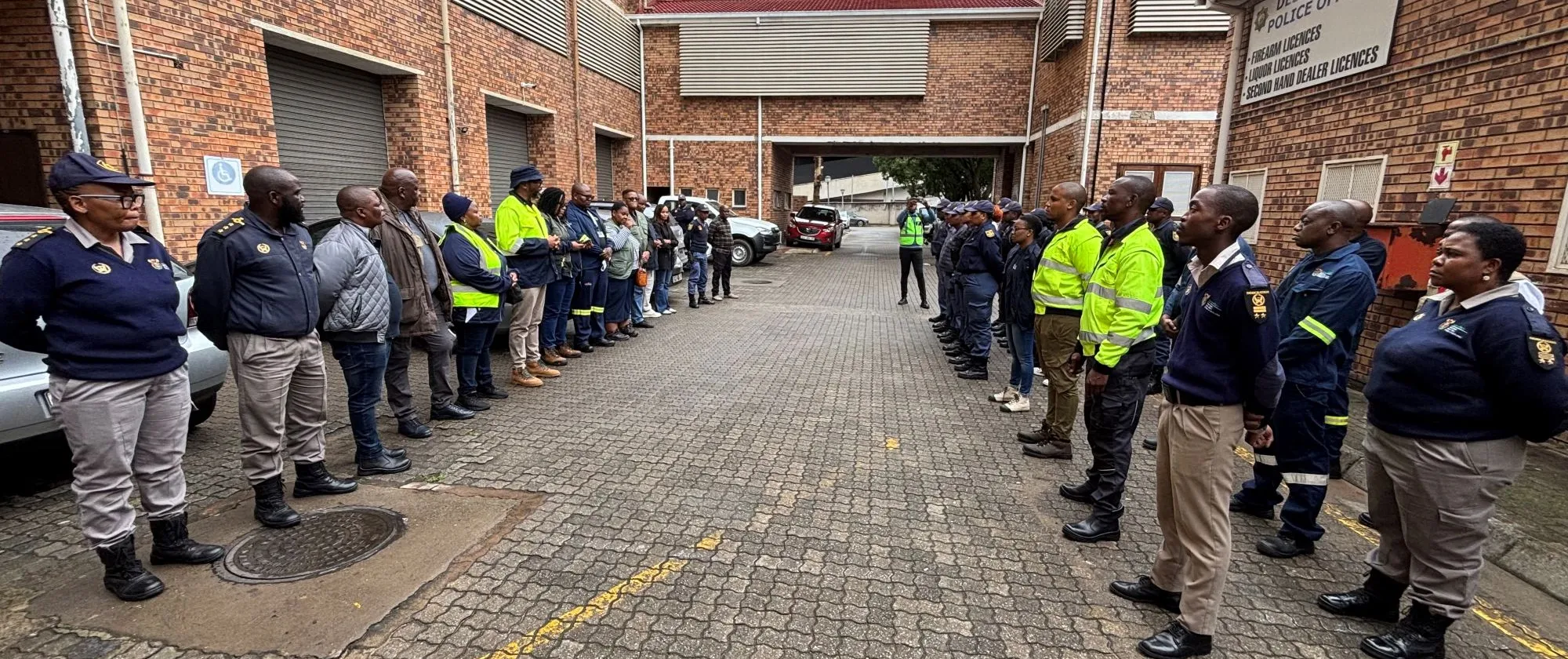
SABIE, SOUTH AFRICA (ILO News) - In the lead-up to the commemoration of the World Day for Safety and Health at Work, the International Labour Organization (ILO) joined South Africa’s Department of Employment and Labour in a targeted inspection at a sawmill site in Sabie, Mpumalanga, where serious occupational safety and health concerns were uncovered.
The joint inspection revealed widespread non-compliance with labour legislation, with workers exposed to hazardous conditions that pose significant risks to their safety, health and overall well-being. The findings highlight critical gaps in the realization of decent work, particularly the right to a safe and healthy working environment. The findings further underscore the broader challenge of advancing decent work, which includes not only access to employment, but also safe and healthy working conditions that respect workers’ rights, dignity, and well‑being.
ILO Technical Officer, Mr. Simphiwe Mabhele, who participated in the inspection, stressed the urgency of addressing these shortcomings:
The conditions observed are deeply concerning and fall short of both national standards and international labour principles. Ensuring safe and healthy workplaces is not optional, it is a fundamental right of every worker.
South Africa’s Deputy Minister of Employment and Labour, Mr. Jomo Sibiya, also underscored the human impact of unsafe working environments and the need for accountability. “Workers should not have to choose between earning a living and risking their lives. Employers have a legal and moral obligation to provide safe working conditions, and we will continue to strengthen enforcement to ensure compliance,” he stated.
Way forward
The findings highlight an urgent need for corrective action to protect workers and strengthen a culture of prevention. This includes improving compliance with occupational safety and health regulations, strengthening incident reporting, and maintaining accurate records.
Employers must conduct regular risk assessments across all areas, ensure trained personnel are in place, and provide appropriate personal protective equipment. Machinery, fire safety systems, and electrical installations should be properly maintained and routinely inspected, alongside the implementation of monitoring programmes and medical surveillance for at-risk workers.
Improved workplace conditions, hygiene, and employee welfare are essential, as is the safe management of hazardous substances, including chemicals and asbestos.
Beyond the immediate physical dangers identified, the inspection raised concerns about psychosocial risks, including stress and anxiety associated with unsafe and insecure working conditions. The ILO emphasizes that such risks must be addressed as part of a comprehensive approach to occupational safety and health.
The inspection uncovered serious occupational safety and health violations.