

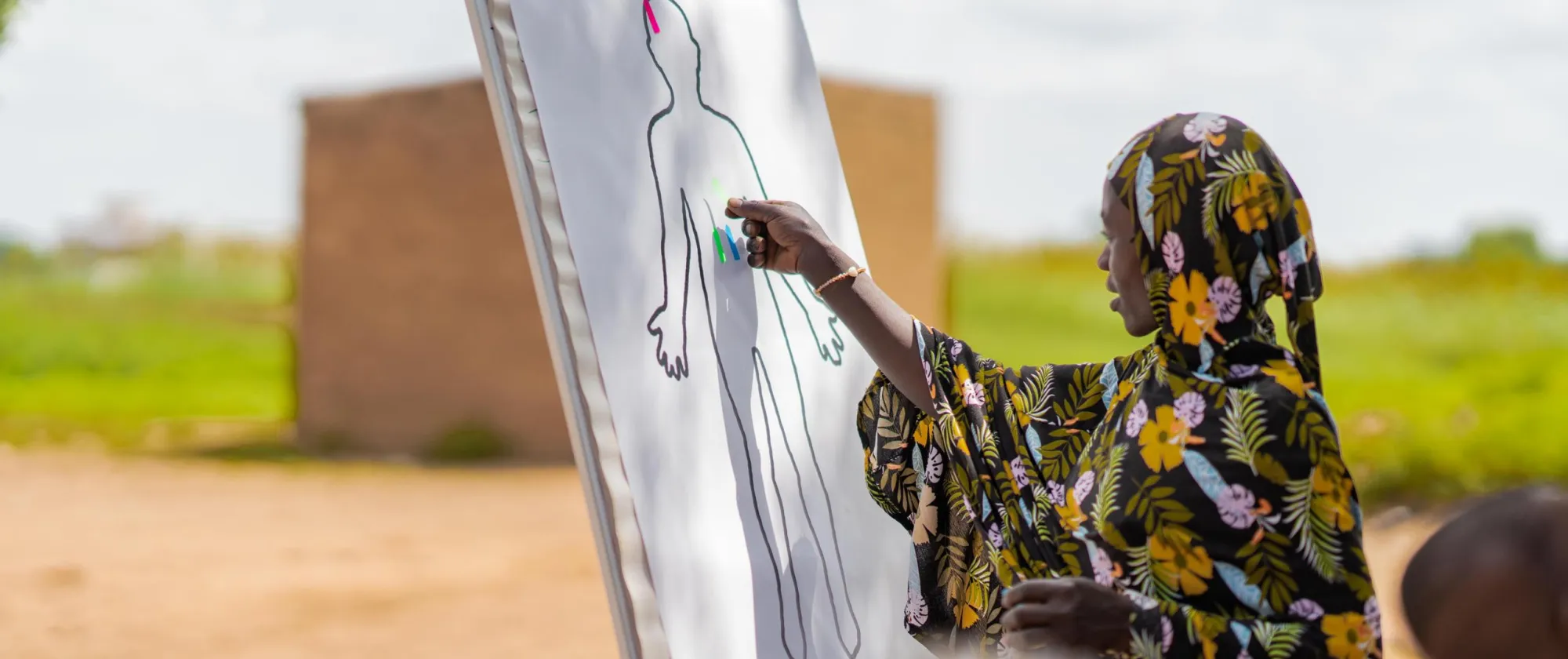
Strengthening the cooperative movement in Mali: The ILO trains key stakeholders on COOP tools and occupational safety and health (OSH)
The ILO strengthens cooperatives in Mali through a workshop on Occupational Safety and Health (OSH) and the ILO COOP tools. The initiative aims to enhance governance, improve occupational risk prevention, and support the formalization of cooperatives in the cotton and artisanal gold mining sectors, while promoting decent work and preventing child labour.
10 October 2025
BAMAKO (ILO News) – As part of its ongoing efforts to promote decent work and strengthen cooperative governance, the International Labour Organization (ILO) under the ACCEL Africa project financed by the Ministry of Foreign Affairs of the Netherlands organized a national workshop titled “Implementation of Activities to Support the Development of Cooperatives through ILO COOP Tools in Mali in Connection with Occupational Safety and Health (OSH).”
Held in Bamako from 30 September to 8 October, the workshop brought together 18 participants from various backgrounds, including representatives of cotton and artisanal gold mining cooperatives, the National Directorate for Social Development and Solidarity Economy, as well as civil society organizations and the Young Workers’ Association.
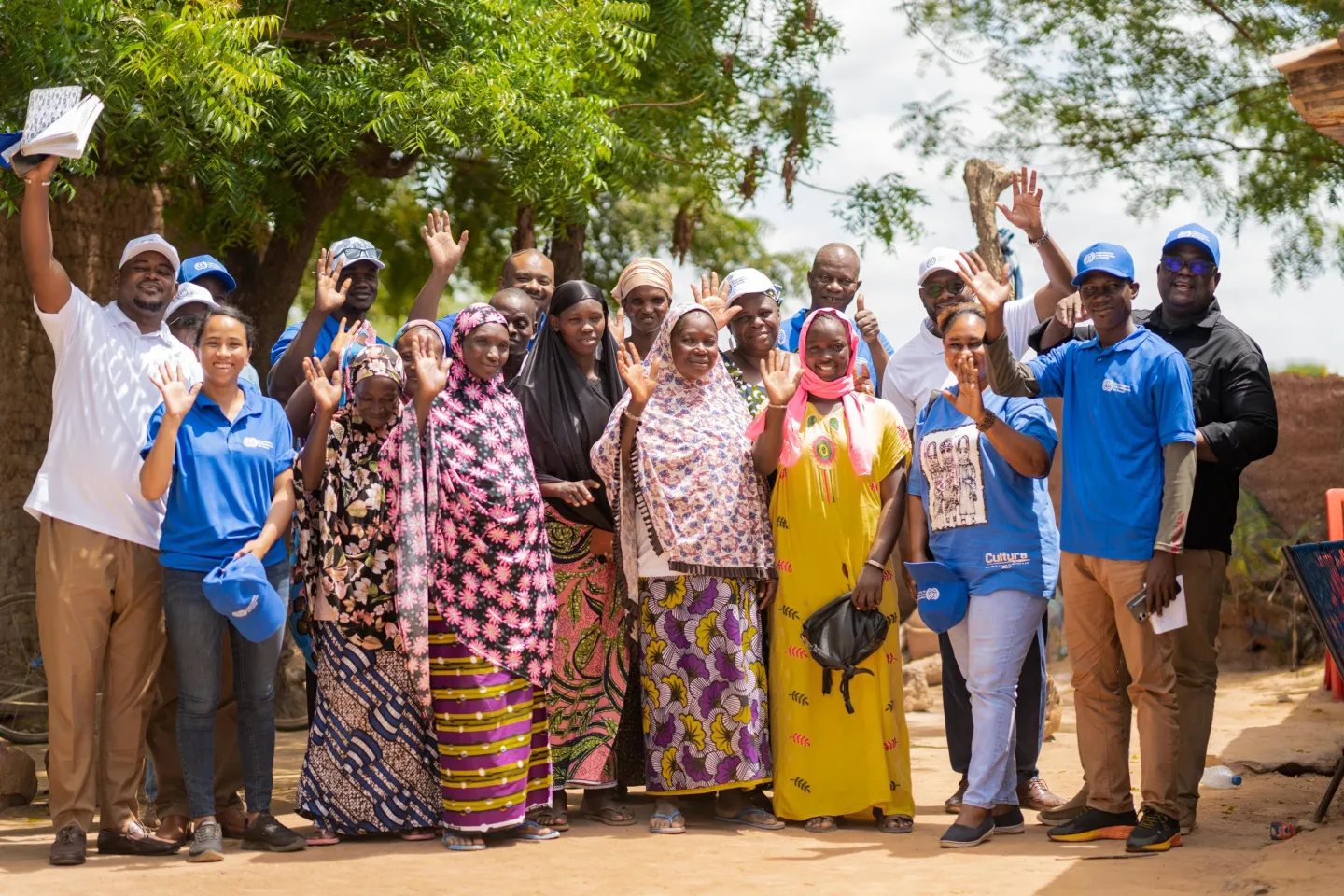
The workshop pursued several specific objectives:
- To guide Start.COOP trainers in testing tools currently being simplified and adapted to the Malian context, particularly for stakeholders in the cotton and artisanal gold mining sectors;
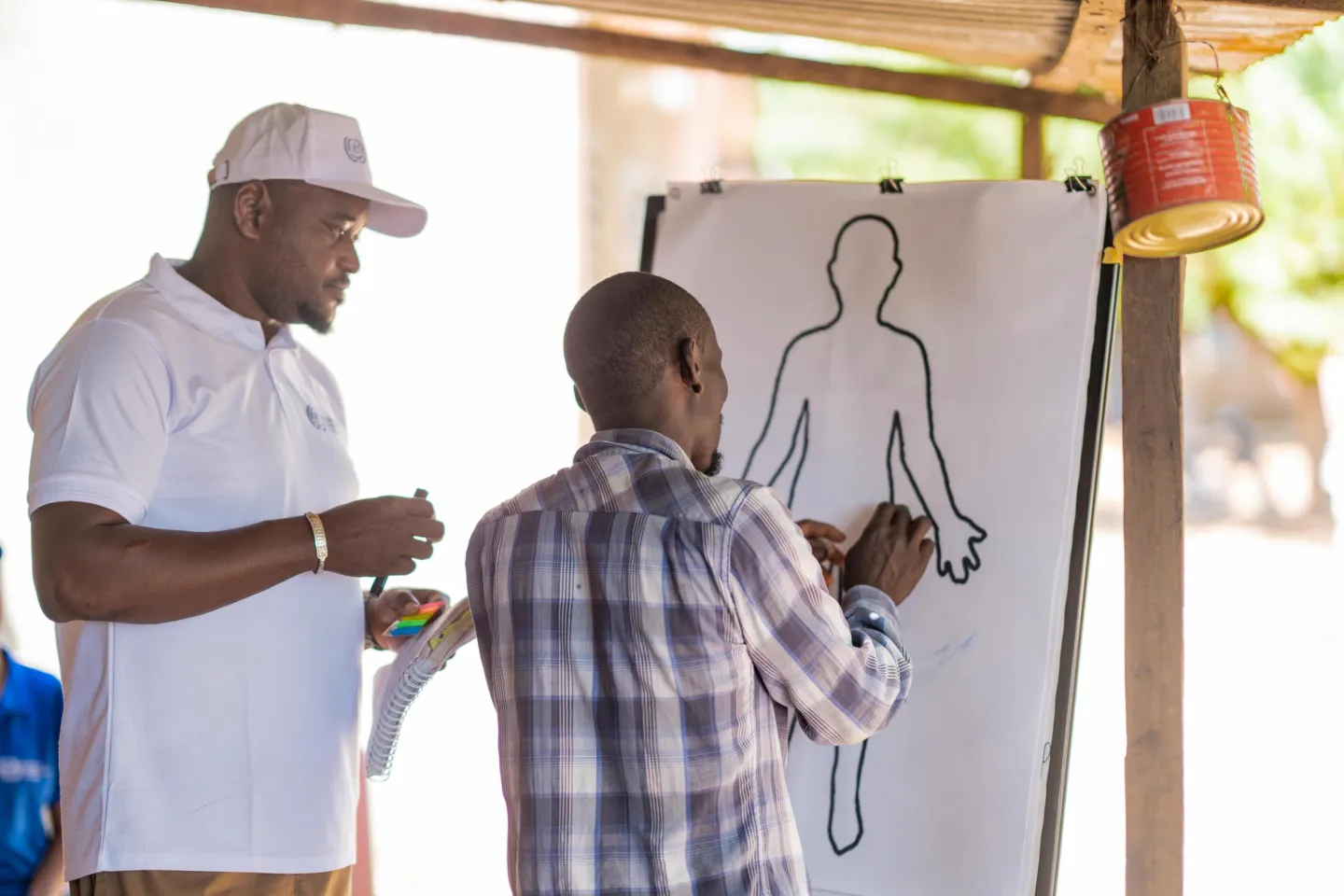
- To train eighteen (18) national trainers from institutions supporting the cooperative sector on Occupational Safety and Health (OSH), using a tool developed by the ILO to strengthen prevention and foster a culture of safety within cooperatives;
- To adapt the ILO COOP tools to Mali’s realities, taking into account the country’s economic, social, and institutional specificities, as well as the national regulatory framework on OSH.
The participants—including representatives from three cotton cooperatives and five artisanal gold mining cooperatives—actively engaged in discussions and practical sessions. They emphasized that OSH issues are of paramount importance for cooperatives. Challenges related to occupational accidents and work-related diseases remain difficult to address and require guidance to adopt appropriate approaches. This support will be provided through the training-of-trainers sessions on the practical OSH tool for agricultural cooperatives.
In addition to strengthening partners’ capacities, the sessions also helped identify the key challenges faced by cooperatives in applying OSH standards. Among others, participants highlighted difficulties in raising awareness and understanding the importance of risk prevention, as well as limited knowledge of concrete measures to improve practices. The exchanges during the training thus made it possible to propose practical adjustments to make ILO tools more accessible and operational at the community level.
The workshop also included a field visit to Baguinéda, where participants engaged with two cooperatives. This visit allowed them to apply the knowledge gained, assess the relevance of the Start.COOP and OSH tools in a real-life setting, and exchange directly with producers on good cooperative management practices while supporting them in improving occupational risk prevention.
Through this initiative, the ILO reaffirms its commitment to strengthening the cooperative movement in Mali and promoting a safe and sustainable working environment, particularly in sensitive sectors such as cotton and artisanal gold mining.
The adaptation of the COOP and OSH tools to the national context will help cooperatives formalize their activities, professionalize their management, and promote decent working conditions, while supporting the country’s efforts to prevent child labour.
The establishment of this new pool of OSH trainers represents a valuable opportunity to spread a culture of prevention and strengthen occupational risk management within cooperatives, thereby contributing to safer, more resilient workplaces and to workers who are more aware of the importance of protecting their health and physical integrity.
Relevant projects
Accelerating action for the elimination of child labour in supply chains in Africa (ACCEL Africa)