

Reaching the unreached through workplaces in India’s fight against Tuberculosis
Creating tuberculosis awareness and offering testing directly at worksites is emerging as a promising approach in creating a TB-free population.
24 March 2025
GUJARAT, India (ILO News) – Amid India’s industrial and construction landscapes, where workers endure long hours and uncertain futures, a silent battle unfolds against tuberculosis (TB) and HIV. HIV and TB are interconnected through multiple factors, including social determinants of health, limited access to healthcare and social protection, and the way HIV weakens the immune system, making it harder to fight TB. Additionally, stigma often prevents individuals from seeking the diagnosis and treatment they need. Among those facing these challenges are migrant workers—constantly on the move, often without access to proper healthcare or support systems.
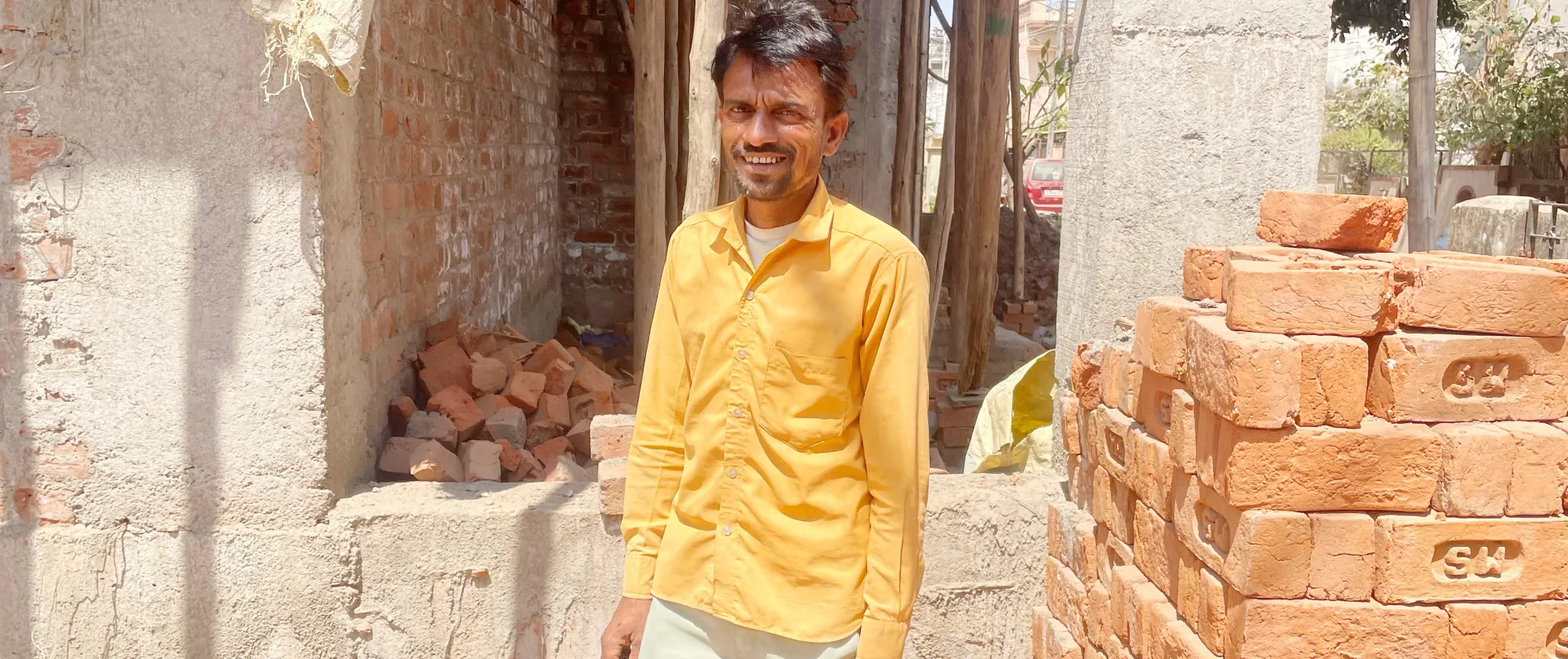
In the bustling construction sites of Gujarat, India, Bharat Bamor, a 35-year-old contract construction worker, faced an uncertain future. An unexpected diagnosis changed everything for him and his family. Bharat was found to have TB during a workplace screening. He was diagnosed with both TB and HIV.
Bharat had been unwell for some time but never saw a doctor. He took some medicines from a local pharmacy for severe body aches and weakness.
"I never went to a government hospital as I don’t have much time. And I can’t afford private hospitals. If awareness and testing was not conducted at my workplace, I would have continued like this for months, and the outcome would have been worse." - Bharat Bamor, Contract Construction WorkerToday, Bharat has completed his TB treatment but continues his journey with anti-retroviral treatment for HIV. With regular checkups and medications, his health has improved, and he's back on the job.
Bharat's story is not unique. Thousands of workers in the informal economy across India face significant barriers to timely TB/HIV diagnosis and treatment. The mobile nature of their work, coupled with social stigma and concerns over wage loss, often leads to delayed diagnosis and treatment.
Bringing testing to work sites
TB and HIV often go undiagnosed among migrant workers. Creating awareness and offering TB testing directly at worksites, where migrant workers like Bharat spend most of their day, is emerging as a good approach. Mobile testing vans, on-site screening camps, and coordinated referrals to government health services are helping bridge the gap between detection and treatment.
India has developed a National Policy Framework on HIV and TB in the world of work. The National TB Elimination Programme (NTEP), Ministry of Health and Family Welfare, has also developed a guidance note for TB-free workplaces in India. NTEP is also implementing a 100-Days campaign, which aims to intensify TB case detection through community awareness, screening, and sensitive diagnostic tests for key populations.
The International Labour Organization (ILO) is leveraging its tripartite model and, through multistakeholder collaborations, is working towards TB-free workplaces.
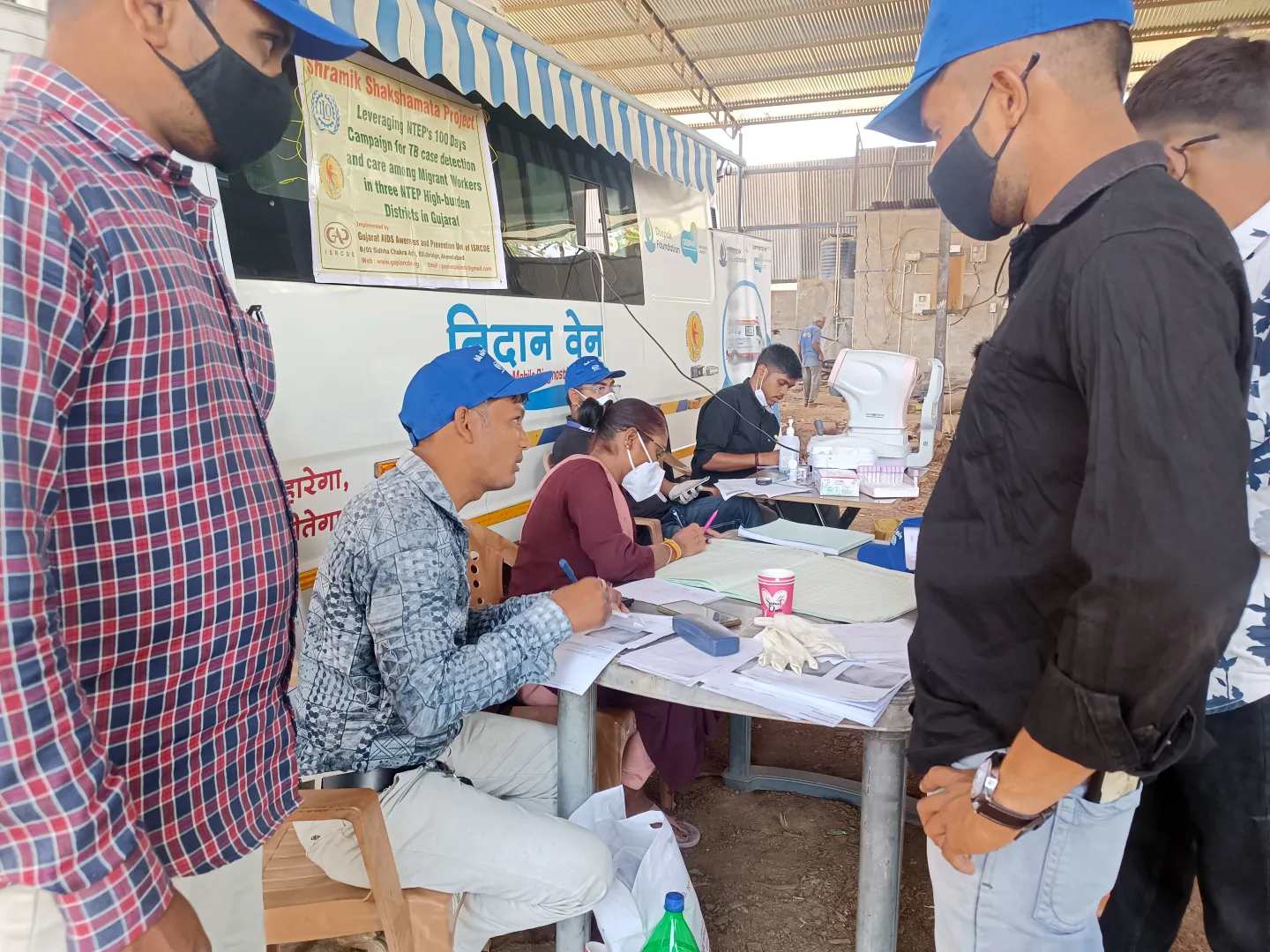
The ILO has supported the Gujarat AIDS Awareness Prevention (GAP) programme in reaching nearly 200,000 workers in high TB burden districts across the state. Through its Shramik Sakshamta project, GAP collaborates closely with industries, workers’ organizations, district TB officers, and the Gujarat AIDS Control Society to work towards a TB-free state. These efforts include health education, behavior change communication, and linking workers to government welfare programs, offering a holistic approach to support their health and economic well-being.
"On-site screenings save workers’ time and energy. They don’t have to commute long distances for check-ups, and it raises awareness about TB."- Vishal Kumar, safety officer, MG Contractor Private Limited, Kheda, GujaratHaving successfully completed his treatment, Bharat is TB-free now and has become a champion of TB-awareness. He shares his story with his coworkers in sessions organized by GAP.
"Don’t make the mistake I did. My fear of TB didn’t come true. With timely diagnosis and treatment, I am back at work and able to support my family” -Bharat Bamor, Contract Construction WorkerBharat's journey is a testament to the power of workplace-based TB and HIV interventions. These initiatives are more than just medical screenings. They are a lifeline, a safeguard, and a uniting force that empowers workers, employers, and communities alike. Such interventions help ensure that workers don’t have to choose between their health and their livelihoods.
Related content

The Brihanmumbai Electric Supply and Transport (BEST) - India
Eastern Coalfields Limited (ECL) - India