

Promoting responsible business conduct to eliminate child labour in Kenya's coffee supply chains
Employers, coffee cooperatives and government representatives in Kisii and Kericho counties have strengthened their capacity to promote Responsible Business Conduct and prevent child labour in Kenya's coffee sector through the ILO's ACCEL Africa Project, financed by the Ministry of Foreign Affairs of the Netherlands.
3 July 2026
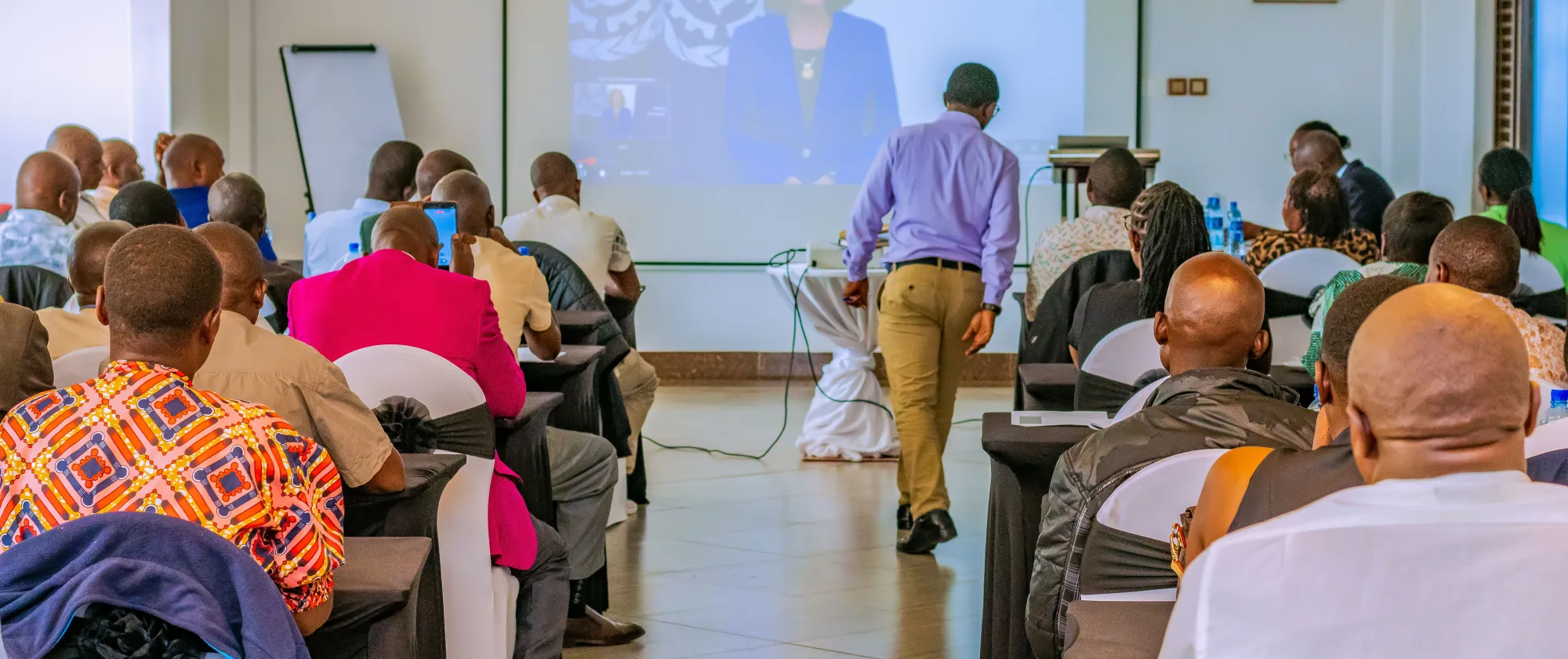
KISII & KERICHO, KENYA (ILO News) - The ILO's ACCEL Africa Project, together with the Federation of Kenya Employers (FKE) has strengthened the capacity of employers and private sector actors to promote Responsible Business Conduct (RBC) in Kenya's coffee sector. Training sessions held in Kisii and Kericho counties brought together leaders of coffee cooperative unions, affiliated farmer cooperative societies, labour officers, and workers' representatives to strengthen compliance with labour standards and advance efforts to eliminate child labour.
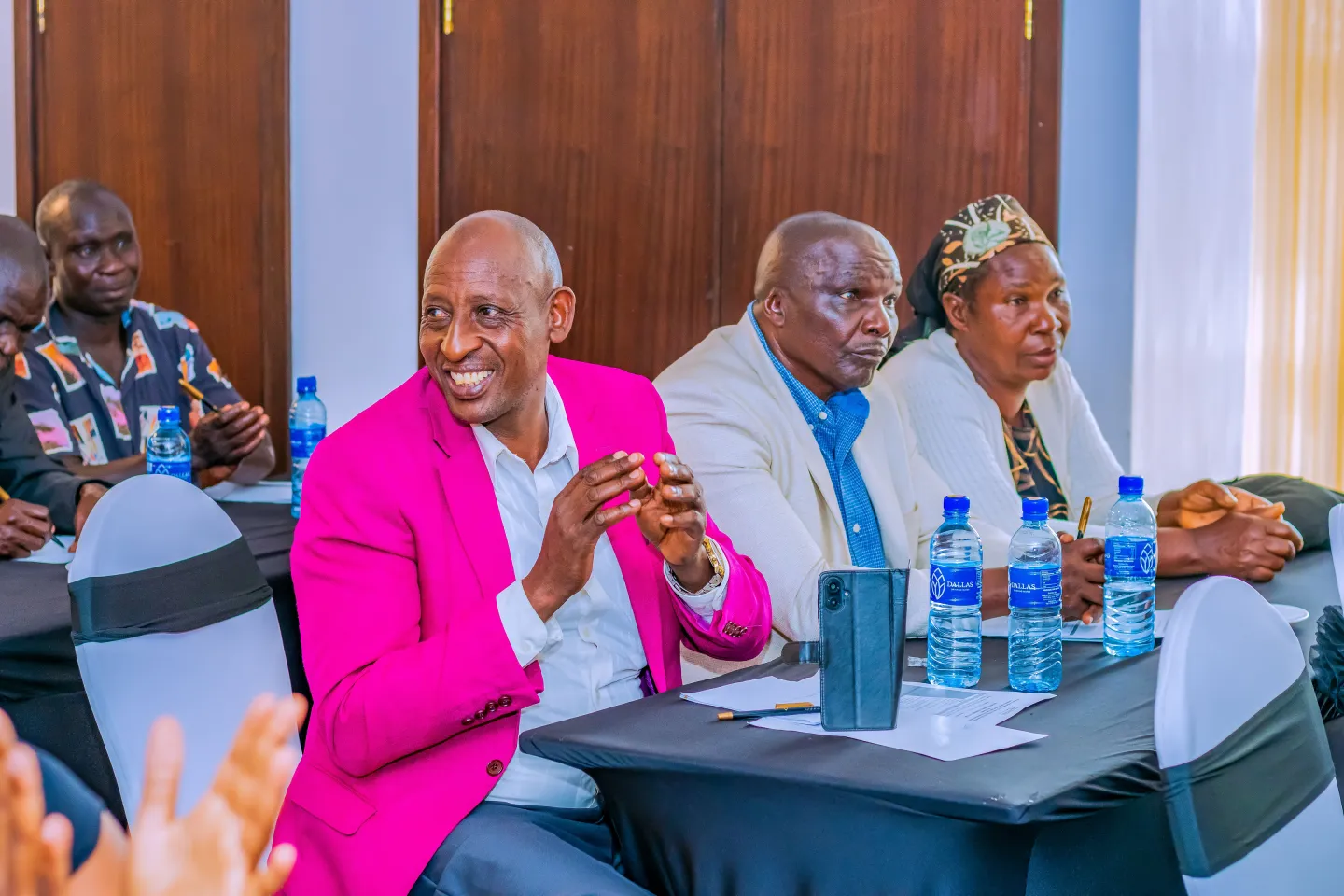
A total of 89 participants took part in the training, which focused on Responsible Business Conduct, child labour compliance, Kenyan labour laws, occupational safety and health, social protection, human rights due diligence, workplace grievance mechanisms, gender equality, and environmental sustainability. Through practical case studies and group discussions, participants explored how responsible business practices can help identify, prevent, and address child labour risks while promoting decent work throughout coffee supply chains.
A key message from the training was that child labour remains a challenge in some coffee-growing communities but often goes unreported due to social and economic pressures. The sessions created a platform for open dialogue among employers, government officials, and workers' representatives to discuss these realities and identify practical solutions at both factory and community levels. Participants also examined how stronger labour law compliance and improved access to social protection can address some of the underlying causes of child labour.
Responsible Business Conduct is no longer optional it is an essential part of doing business. Employers have a responsibility to respect labour rights, identify child labour risks within their operations and supply chains, and take proactive measures to prevent them.
Duncan Omondi, Programme Manager at the Federation of Kenya Employers
The training concluded with participants developing practical action plans to strengthen Responsible Business Conduct and child labour prevention within their respective institutions, including coffee cooperative unions, Farmer Cooperative Societies, the Ministry of Labour and Social Protection, and COTU (K).
The knowledge gained through this training will help us strengthen compliance, protect children's rights, and work more closely with our farmers to ensure our coffee is produced in a way that respects human rights and meets the expectations of both local and international markets.
Dr. Festus Bett, CEO of Kipkelion District Coffee Union
Through initiatives such as these, the ACCEL Africa Project continues to demonstrate that eliminating child labour requires collaboration among employers, workers, cooperatives, government institutions, and communities. By embedding Responsible Business Conduct into business operations, Kenya's coffee sector is taking important steps towards more ethical, sustainable, and child labour-free supply chains.
Relevant projects
Accelerating action for the elimination of child labour in supply chains in Africa (ACCEL Africa)