Powering Zambia’s future: How Micro, Small and Medium Enterprises and TVET institutions are driving the clean energy transition
Zambia is accelerating its clean energy transition through MSMEs and TVET institutions. A UN Joint SDG Fund project is empowering businesses and training skilled workers to adopt renewable energy, driving green growth and climate resilience.
19 December 2025
Chipata, Zambia (ILO News) – Zambia is at a critical point in its development. As the country works toward universal energy access and reducing carbon emissions by 2030, the shift to clean energy is not optional—it is essential.
This transition brings environmental benefits, economic growth, job creation, and better livelihoods.
At the heart of this transformation are Micro, Small, and Medium Enterprises (MSMEs) and Technical, Vocational, and Entrepreneurship Training (TVET) institutions—two sectors uniquely positioned to accelerate Zambia’s green growth agenda.
With a growing focus on climate resilience, renewable energy is becoming a key driver of rural electrification, low-carbon industrialization, and inclusive economic opportunities.
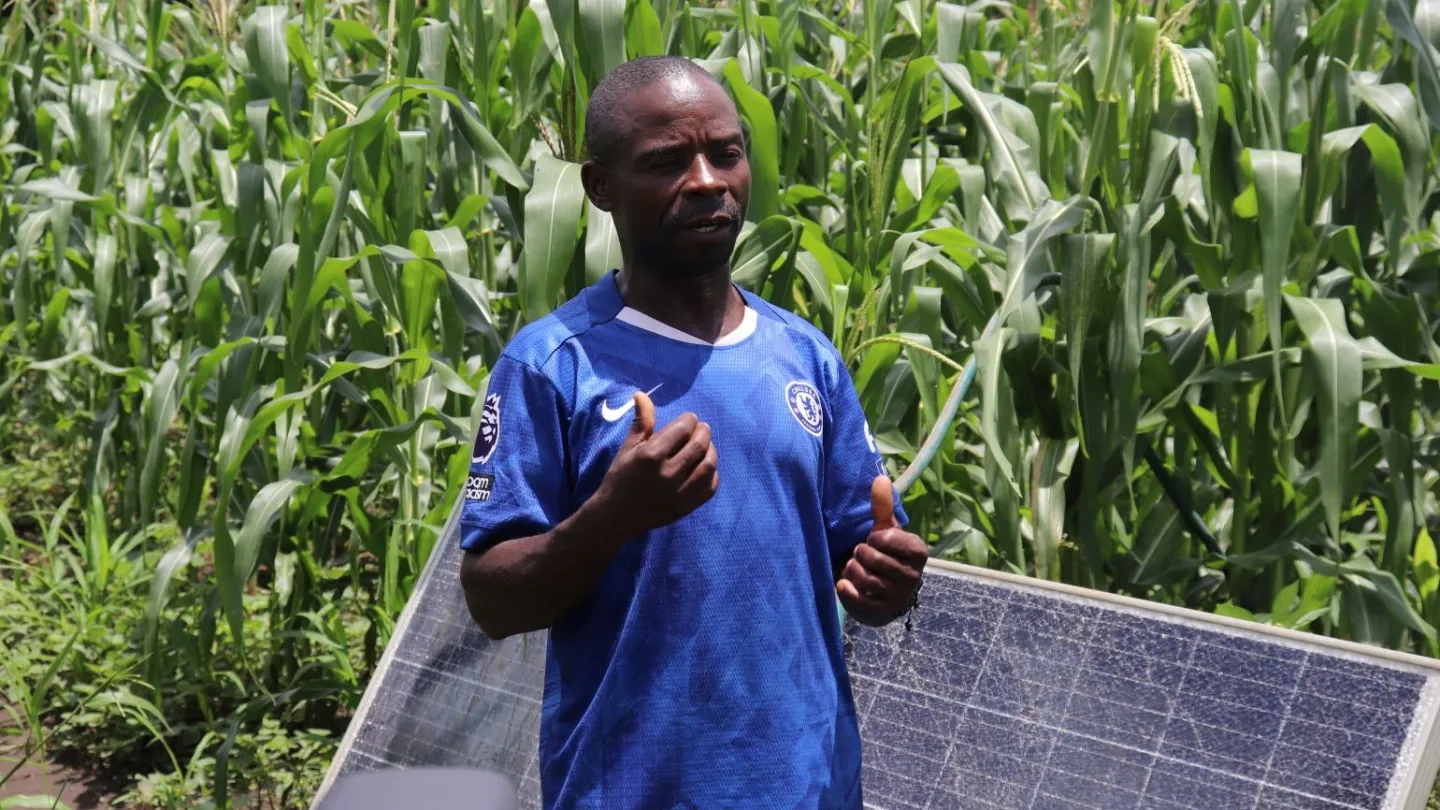
In Eastern Province—home to agro-processing, small-scale commerce, and underserved households—the need for reliable, affordable energy is urgent. MSMEs are introducing decentralized renewable energy solutions such as solar and bioenergy. These innovations power businesses and reduce dependence on costly, polluting fossil fuels.
However, MSMEs face challenges like limited technical knowledge and financial constraints. Similarly, TVET institutions struggle to keep pace with the fast-changing energy sector, risking a shortage of skilled workers.
To address these gaps, the International Labour Organization (ILO), United Nations Development Programme (UNDP), and the United Nations International Children’s Emergency Fund (UNICEF) launched a one-year United Nations (UN) Joint Sustainable Development Goals Fund (JSDGF) project titled: “Accelerating the Adoption and Adaptation of Renewable Energy Technologies in Zambia.”
The initiative, running from January to December 2025, is being implemented in four districts of Eastern Province: Petauke, Chipata, Mambwe, and Lundazi.
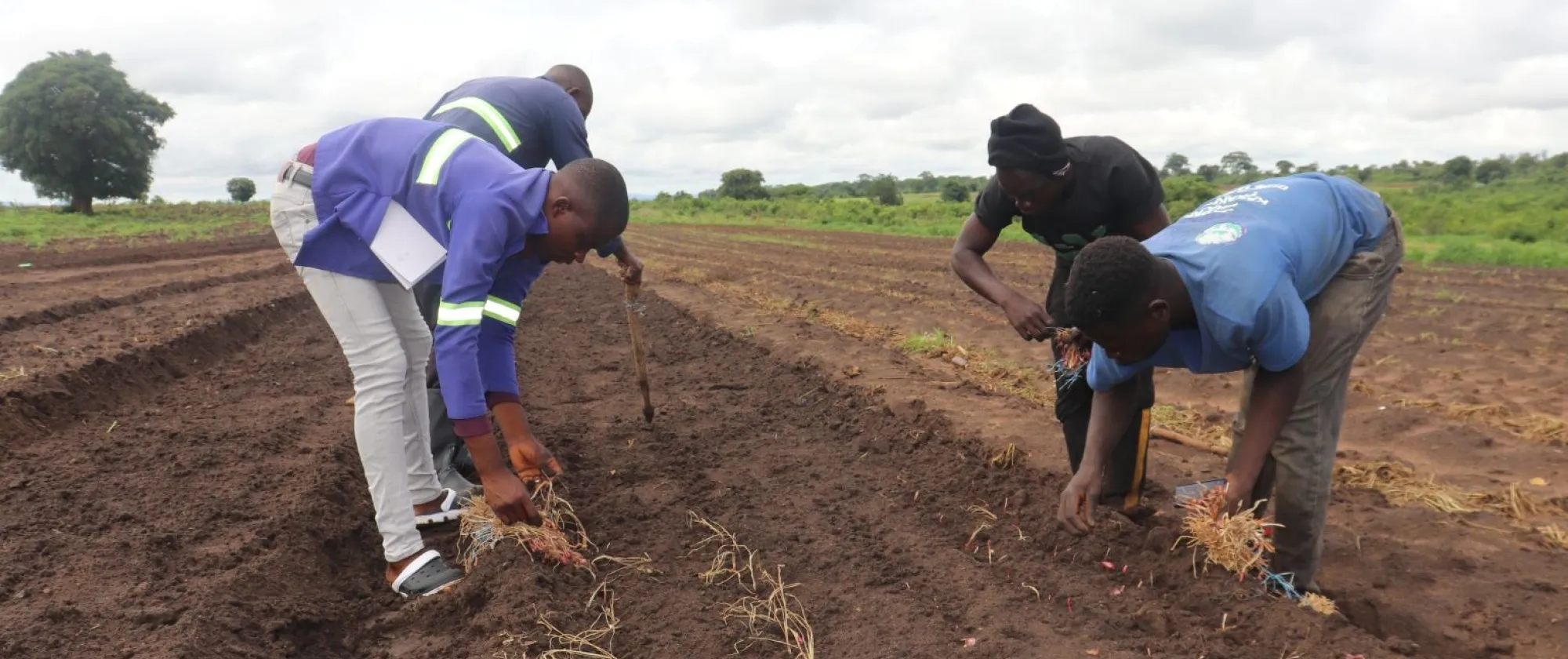
Through targeted training, MSMEs learned how to adopt renewable energy technologies, while TVET lecturers received mentorship to deliver industry-aligned curricula.
As the project concludes, its impact is clear: MSMEs are integrating solar solutions into their operations, cutting costs and boosting productivity. TVET graduates are entering the job market with specialized skills to meet the growing demand for green energy expertise. These outcomes show the power of partnerships in driving Zambia’s clean energy transition.
In Lundazi, Florence Ngoma, owner of a renewable energy enterprise, shared her experience: “Before the training, I didn’t know solar could power my business. Now I can install solar home systems for customers, and my profits have doubled. I am proud to be part of the clean energy movement.”
She added that the skills gained from the project have prepared her to expand her business to other parts of the district.

In Chipata, Mirriam Mwale, Principal at Chipata Trades Training Institute, shared that skills gained by her lecturers through the project have inspired plans to set up a 10 MW mini-grid solar plant for the institution.
Ms. Mwale emphasized the need for the institute to have its own mini-grid rather than relying solely on the national grid.
“We want to support surrounding communities with alternative energy sources and help address the country’s energy deficit,” she said.
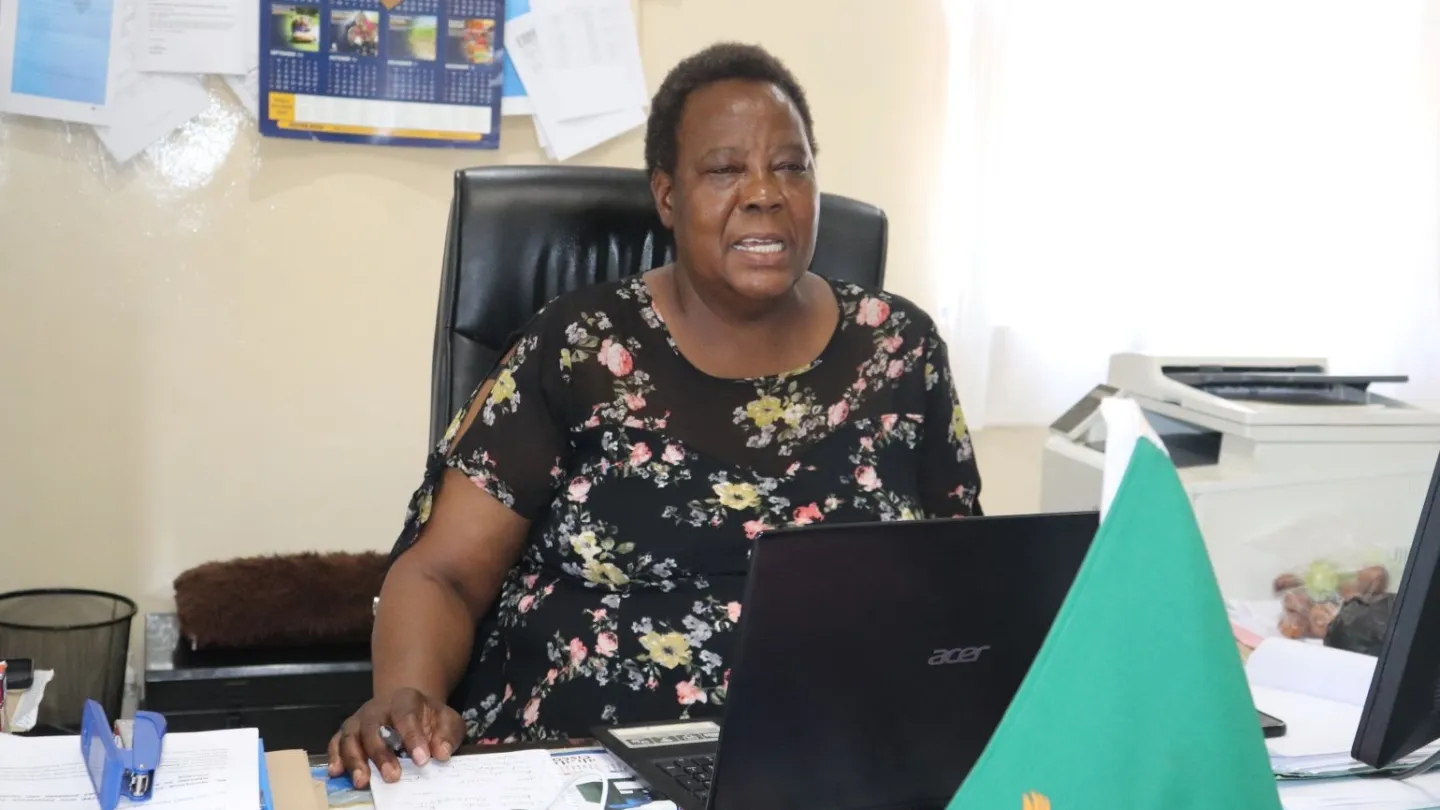
From Petauke, Shadreck Banda, proprietor of SABS Farms, said the project has helped his enterprise adopt sustainable agriculture practices and climate smart initiatives.
Mr. Banda shared how this initiative has transformed their operations and outlook for the future: “The training was an eye-opener,” he explained. “We learned how businesses, including farms, can integrate renewable energy into their operations. We also gained skills in record-keeping and business management, which are essential for growth.”
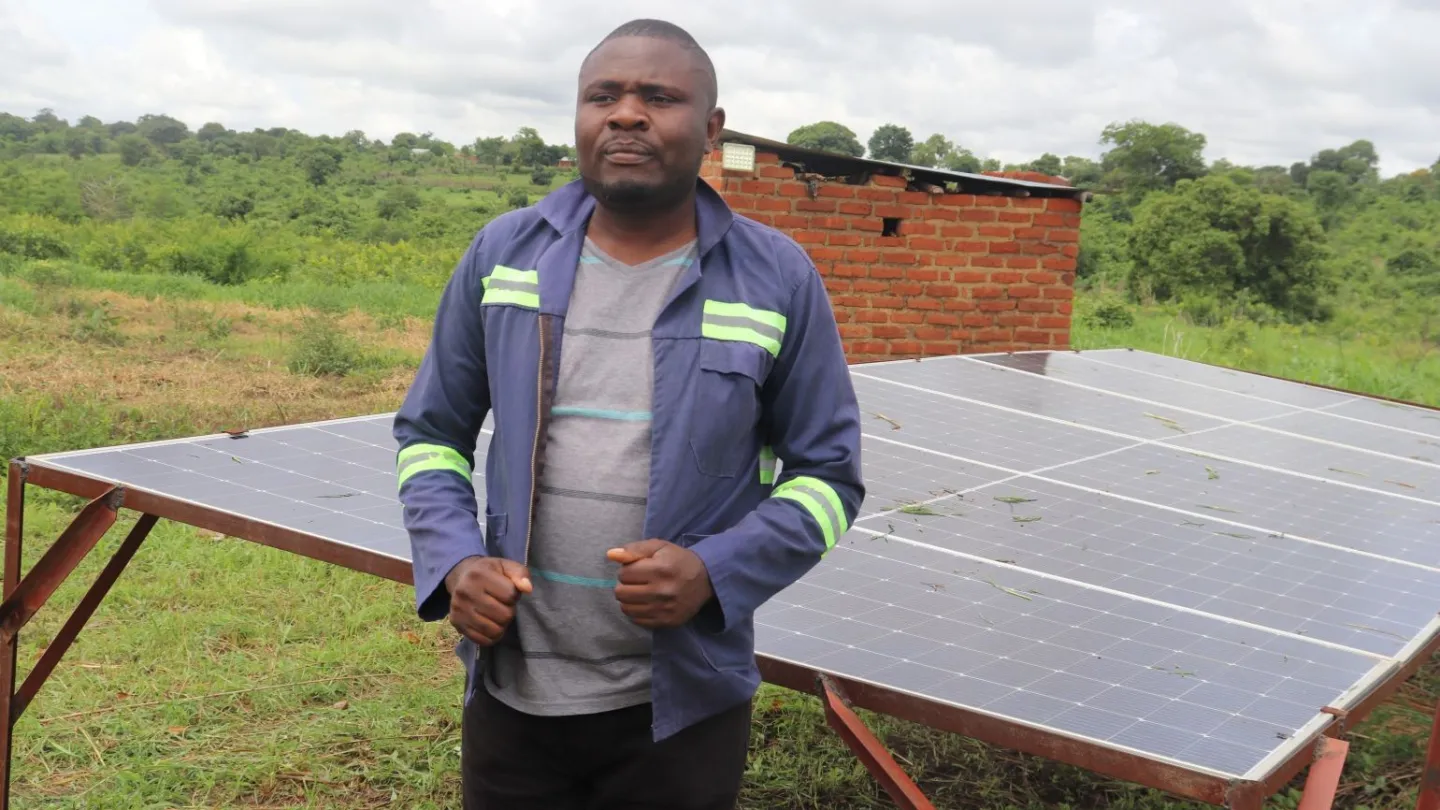
In Mambwe, Tenala Phiri, chairperson of Nyavindanda Co-operative, said the skills gained from the project have helped the co-operative succeed in gardening, cattle farming, and seed production.
Mr. Phiri added that the co-operative is promoting sustainable farming and conservation practices to build climate-resilient rural livelihoods.
“The training has helped our co-operative thrive in gardening, cattle farming, and seed production,” he explained. “These ventures have strengthened food security and created income opportunities for members, making the co-operative a pillar of resilience in the community”.