

From policy to practice business leaders confront violence and harassment at work
At a Women’s Month Leadership Dialogue co-directed by the ILO and Shared Value Africa, more than 30 private sector companies examined what it will take to turn workplace policies on gender-based violence and harassment into protection people can actually trust.
4 September 2026
South Africa, Johannesburg (ILO News) - The morning began with a number: 743 million. That is how many people worldwide have experienced violence or harassment at work during their working lives, according to the first global survey on the subject, conducted by the ILO with Lloyd’s Register Foundation and Gallup. More than one in five people in employment. One in fifteen has faced sexual violence and harassment, with women particularly exposed.
But the figure that set the tone for the Private Sector Coalition’s Women’s Month Leadership Dialogue was a quieter one. Only about half of those affected had ever told anyone.
If your reporting line was quiet last year, there are only two explanations. Either nothing happened. Or something happened and nobody trusted you enough to tell you. Silence is data - Simphiwe Mabhele, ILO Technical Officer
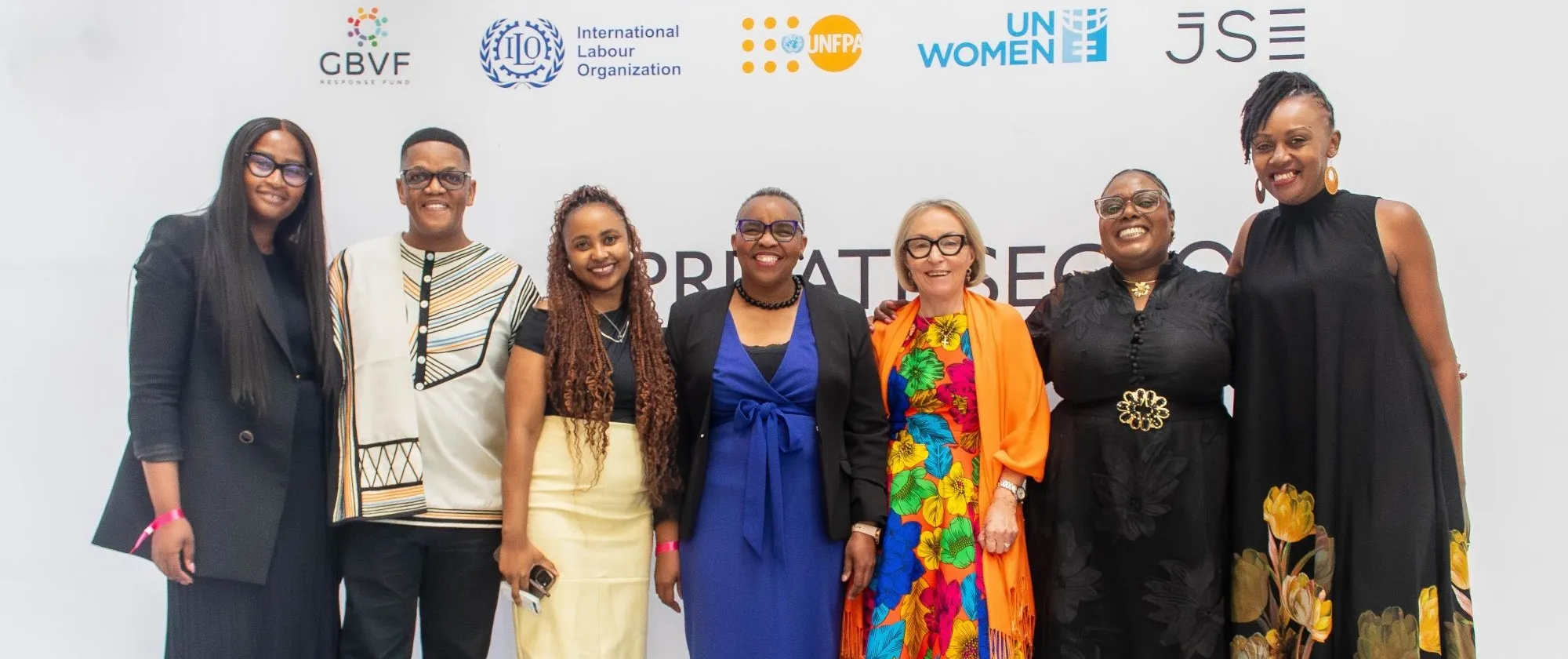
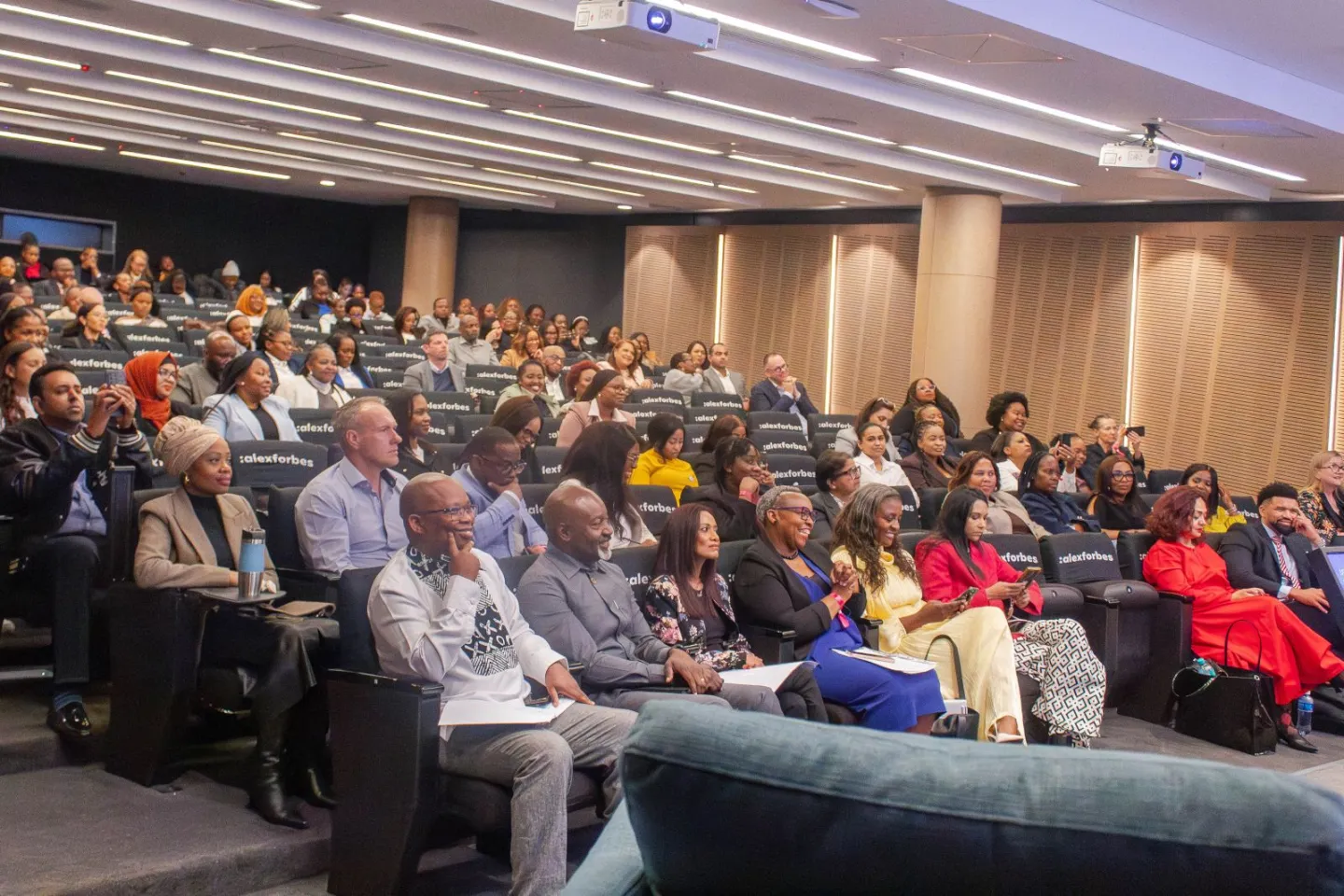
Held on 27 August 2026 under the theme “From Policy to Practice: Advancing Workplace GBVH Prevention in South Africa”, the Dialogue was organised by the Shared Value Africa Initiative in collaboration with the Private Sector Coalition against Gender-Based Violence and Harassment (GBVH) in the Workplace and the GBVF Response Fund. Alexforbes hosted the event at its Sandton auditorium, where senior leaders from more than 30 companies, including those taking part in the Coalition’s baseline assessment, gathered alongside partners from the United Nations system, The Presidency and the Johannesburg Stock Exchange. The ILO co-directed the programme with Shared Value Africa.
A standard South Africa has already embraced
South Africa ratified the Violence and Harassment Convention, 2019 (No. 190), in November 2021, and the Convention has been in force for the country since November 2022. It is the first international treaty to recognise the right of everyone to a world of work free from violence and harassment, including gender-based violence and harassment, and it is accompanied by practical guidance in Recommendation No. 206.
Framing the discussion for executives, the ILO highlighted three provisions that often surprise business leaders. The Convention protects people irrespective of their contractual status, including interns, volunteers, jobseekers and people whose employment has ended. It defines the world of work far beyond the office, extending to work-related travel, social events, employer-provided accommodation, the commute and work-related communications, including the late-night WhatsApp group. And it expects employers to act through a management system: a policy developed in consultation with workers, the integration of violence, harassment and psychosocial risks into OSH management, risk assessment with worker participation, and accessible information and training.
The message to the room was that GBVH prevention belongs in the boardroom, managed with the same discipline companies already apply to financial controls and physical hazards.
Evidence from inside companies
After a message of support from Nelson Muffuh, United Nations Resident Coordinator in South Africa, and a call from Dot Field of the GBVF Response Fund for the private sector to lead, host Hloni Mphahlele, Group Head of Transformation and Human Capital at Alexforbes, spoke about building safe, inclusive and high-performing workplaces.
The analytical centre of the morning was the presentation of the Coalition’s baseline findings by Joy Ruwodo, Head of the Gender Equality Unit at Shared Value Africa. Drawn from confidential engagements with the founding cohort of companies, the findings were anonymised and aggregated, designed not to rank anyone but to give the Coalition an honest picture of where workplaces stand, and where the gap between written policy and everyday practice is widest.
An executive panel facilitated by Mandisa Mathobela of UNFPA then brought together leaders from Standard Bank, AVIS and ZEDA, Sibanye-Stillwater and MOTUS, who spoke candidly about what moving from policy to practice looks like inside their own organisations. Their openness, in a room that included competitors, gave other companies permission to speak just as frankly.
For companies asking what to do next, the GBVF Response Fund introduced its GBVH Maturity Model, presented by Advocacy and Communications Manager Koketso Rathumbu. Designed as a developmental tool rather than a scorecard, the model helps organisations assess their progress across precisely the dimensions the baseline identified as weakest, and chart a path to improvement. Tandi Nzimande, Chief Executive Officer of the Fund, closed the formal programme with a call to action to the companies present.
Why it matters
The Coalition’s approach reflects a shift the ILO has long advocated: treating violence and harassment not as a matter for human resources alone, but as a workplace governance and safety issue owned by the whole organisation. The companies in the Coalition joined voluntarily, and the Dialogue signalled a readiness to be measured against their own progress rather than their policy documents.
For the ILO, the Dialogue is part of its continuing support to South Africa’s implementation of Convention No. 190, working with government, employers’ and workers’ organisations and partners across the UN system to translate international commitments into safer workplaces.
Policies on paper do not, by themselves, create safe workplaces. The real test is what people experience at work: whether they are safe, can report without fear, are treated with dignity, and can trust that action will follow - Nelson Muffuh, UN South Africa Resident Coordinator
Our task is to move from policy to practice, and from commitment to measurable change.
About the Private Sector Coalition against GBVH in the Workplace
Additional details
References
- DOI: N/A