

Project story
Over 1000 Women and youths in Bulawayo to benefit from Financial Education Training
The Business Growth for Young Entrepreneurs component of the SEDWAY project has impacted 1,017 entrepreneurs (668 women and 349 men), generating 2,246 jobs (1,196 for females and 1,050 for males) in the districts of Hauna, Mutare, Mutoko, Karoi, Umguza, Masvingo, and Bulawayo
8 May 2025
Bulawayo, (ILO News) – On the sidelines of the 2025 Zimbabwe International Trade Fair, themed "Industrialization: Crafting an Integrated Economic Landscape," the International Labour Organization (ILO) launched a Financial Education Training Programme for entrepreneurs. This initiative marks a significant milestone under the SEDWAY project, specifically the Business Growth for Young Entrepreneurs (BG4YE) component.
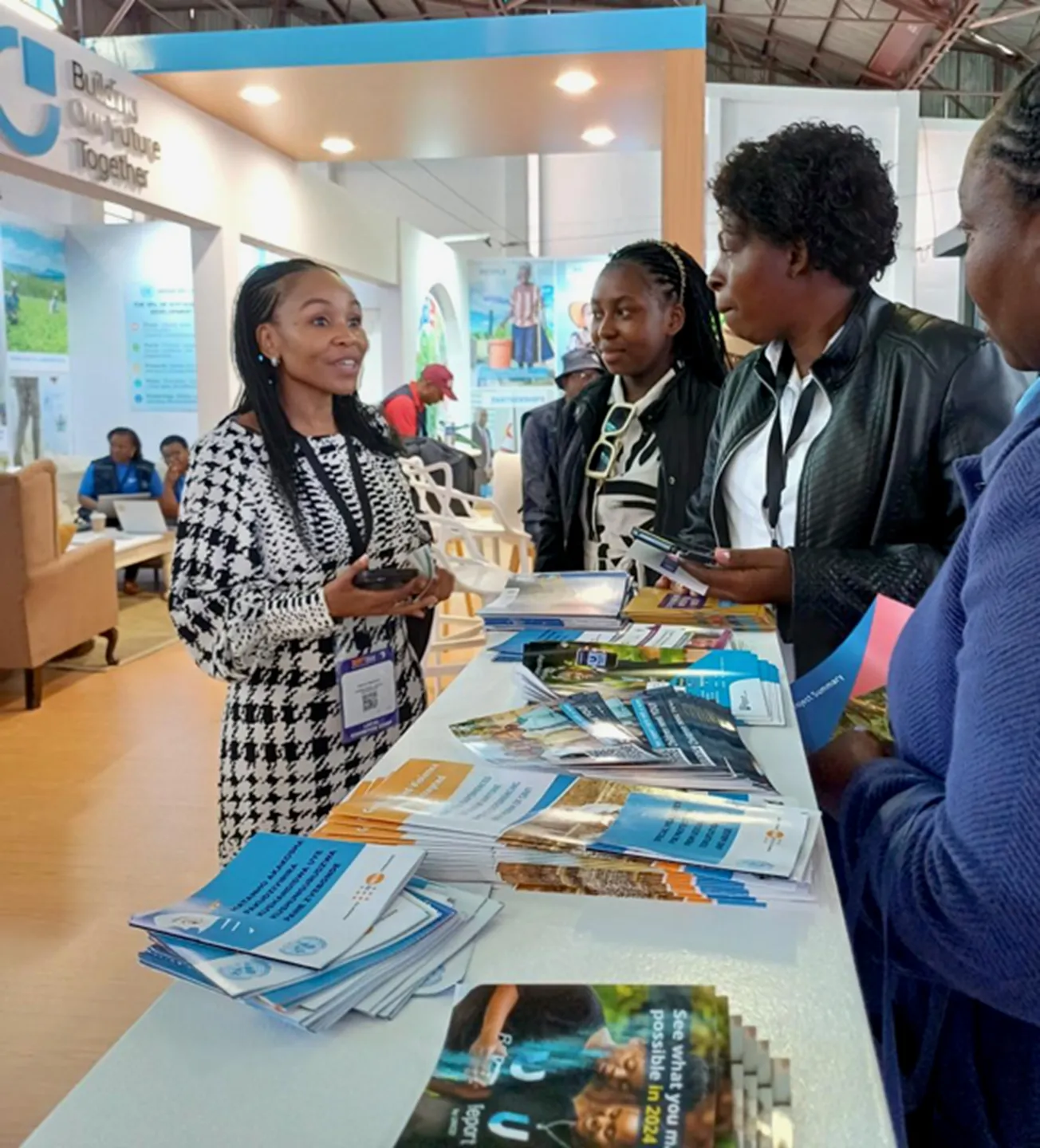
In her opening remarks at the launch, Philile Masuku, the Country Office Director for Zimbabwe and Namibia said BG4YE component has already impacted 1,017 entrepreneurs (668 women and 349 men), generating 2,246 jobs (1,196 for females and 1,050 for males) in the districts of Hauna, Mutare, Mutoko, Karoi, Umguza, Masvingo, and Bulawayo. The training has included business management courses like the Start and Improve Your Business (SIYB) and Sustainable and Resilient Enterprises (SURE). Additionally, it has enhanced the capacity of government officials from the Ministry of Women, Mines and Youths, and 22 Business Development Services (BDS) providers using ILO tools.
Financial Education training is intended to buttress what the above business management training have already achieved.
The overall focus of the programme is to equip business and financial management trainers with the necessary knowledge, skills, interactive training methods, facilitation techniques, and development of training materials. The added goal is to ensure the programme's sustainability and replication in Zimbabwe beyond the support from the African Development Bank (AfDB).
This Financial Education Training reinforces the achievements of previous business management training, which together, contribute to the objectives of the Decent Work Country Programme, National Development Strategy 1, Sustainable Development Goals, Financial Inclusion Strategy 2, the African Development Bank’s High 5 Priorities, and the United Nations Sustainable Development Cooperation Framework. By fostering entrepreneurship, the project aims to drive economic growth and improve livelihoods, particularly for marginalized groups.
Financial education equips women and youths with the knowledge and tools necessary to navigate the complexities of money management and the financial sector. It encompasses a wide range of financial competencies, including financial planning and budgeting. Critical components of the project include mastering skills such as setting financial goals, building a savings plan, creating a budget, tracking personal spending, managing debt, and planning for the future.
Financial education equips women and youths with the knowledge and tools necessary to navigate the complexities of money management and the financial sector.
The training programme addresses the pervasive issue of limited financial literacy, recognizing it as a critical constraint in various development contexts. Limited financial literacy is a factor contributing to reduced incomes among vulnerable groups. A solid grounding in financial literacy can enable individuals to achieve a wide range of life objectives, including saving for retirement, prudently managing debt, and establishing and sustaining a business. Overall, financial education leads to informed financial decisions, sustainable economic opportunities, and better financial health. It is the cornerstone on which individuals can build a secure financial future.
By providing credit, savings, insurance, and other financial instruments, the (SME) sector enables women and youths and businesses to invest in education, skills development, and entrepreneurship, thereby enhancing their employability and productivity. - Edward Kallon
Edward Kallon, the UN Resident Coordinator, emphasized the importance of access to decent work, economic transformation, and equitable and inclusive growth. He highlighted the multifaceted challenges rooted in systemic barriers and structural inequalities, such as skills mismatch, discriminatory hiring practices, wage disparities, and the prevalence of informal employment. Economic downturns, technological shifts, and globalization further compound these challenges, creating a precarious job market and undermining the stability of employment opportunities.
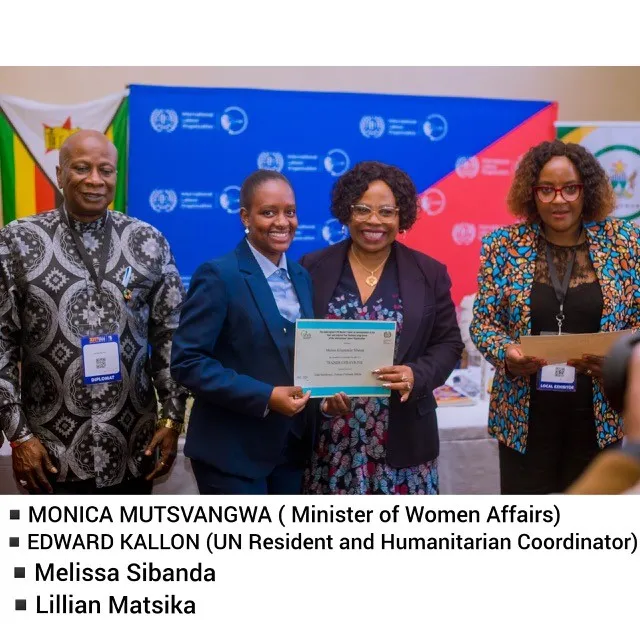
As guest of honour, the Minister of Women Affairs, Community, Small and Medium Enterprises Development, Monica Mutsvangwa, stressed that financial management is more than just numbers; it is about growing businesses, contributing to development, and shaping the future of the recipients. She narrated the journey the project had travelled through workshops, mentorship, and coaching, highlighting its many landmarks.
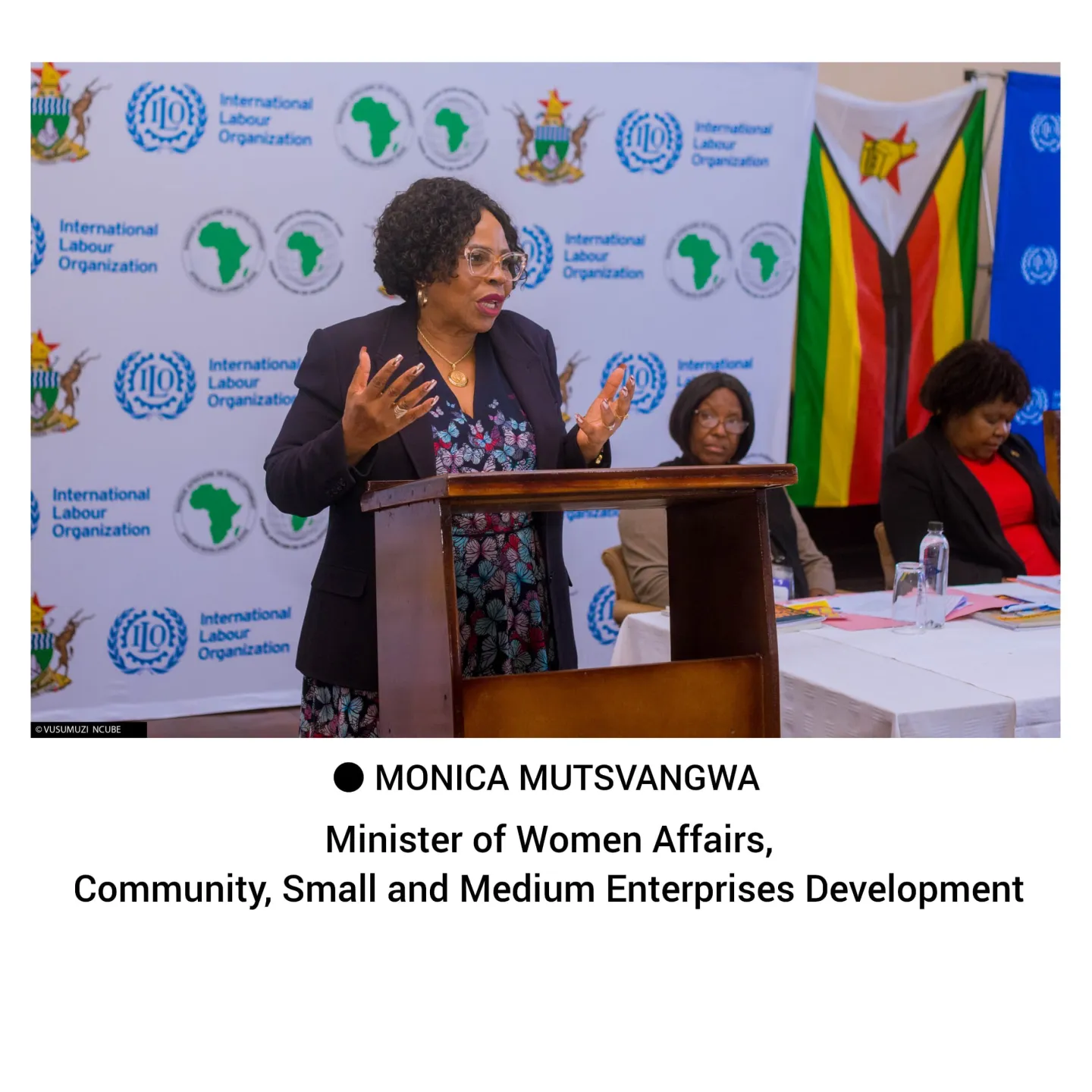
Let us remember that financial management is more than just numbers, it is about growing our business, increasing contribution to development and shaping our future. Monica Mutsvangwa.
She added that entrepreneurs now have new market opportunities through linkages with value chain actors locally and internationally, using platforms such as COMESA's 50 Million African Women Speak, the Zimbabwe International Trade Fair, and meetings with private sector players.
She commended some fifteen women under the project who received business awards for their innovativeness, impact, and potential for sustainability, job creation, expansion to export markets, and greening elements in their business processes. These awards were received from Zim-Trade’s Next She Exporter 2025, Academy for Women Entrepreneurs Awards, and Zimbabwe National Chamber of Commerce – Women in Enterprise Conference and Awards (WECA) 2024.
Mutsvangwa handed out certificates to over 150 entrepreneurs present. She concluded by inviting local organizations and businesses to join the endeavour, ensuring that every woman entrepreneur in the country has the tools and knowledge to thrive financially and grow.