

Niger expands opportunities for its leather and hides sector in Italy
Market opportunities, partnerships to explore and technological solutions identified: the Nigerien mission to Italy is bolstering the prospects for modernising the leather and hides sector, boosting competitiveness and creating decent jobs.
15 October 2026
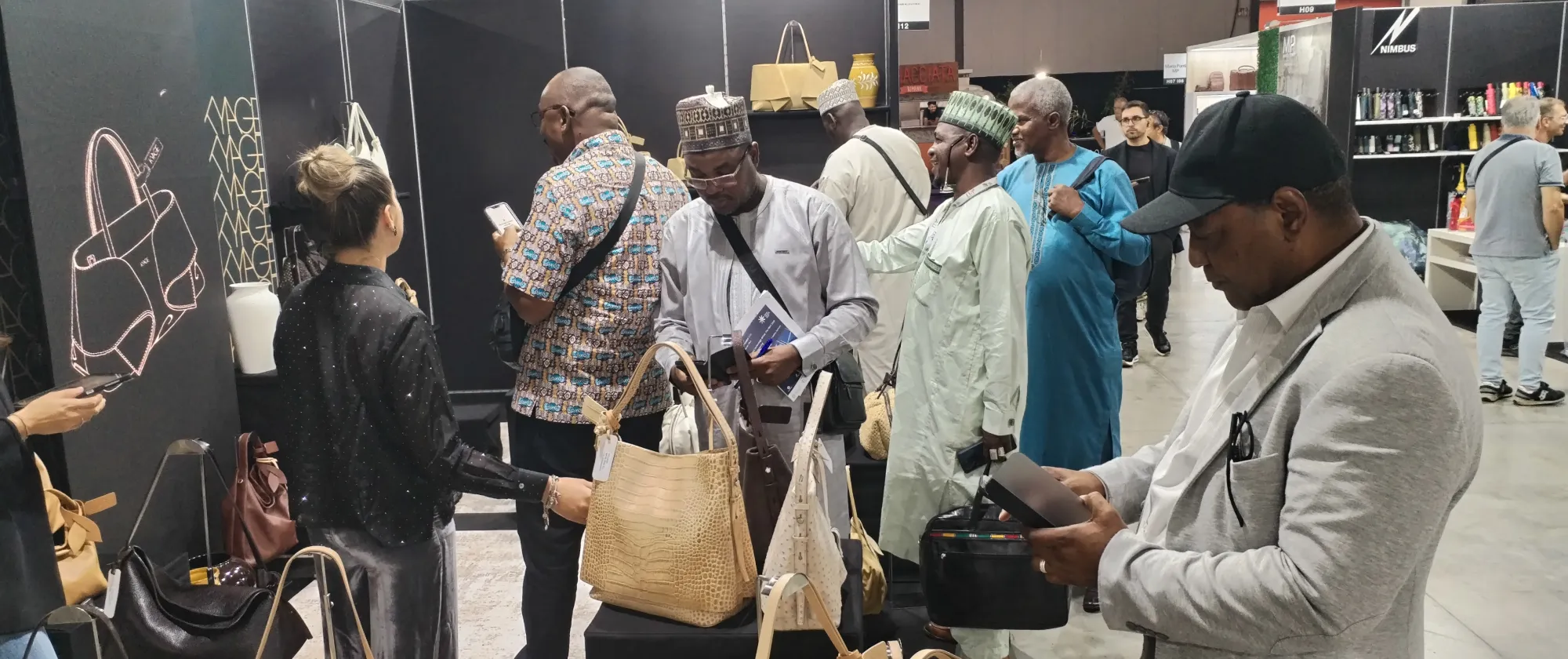
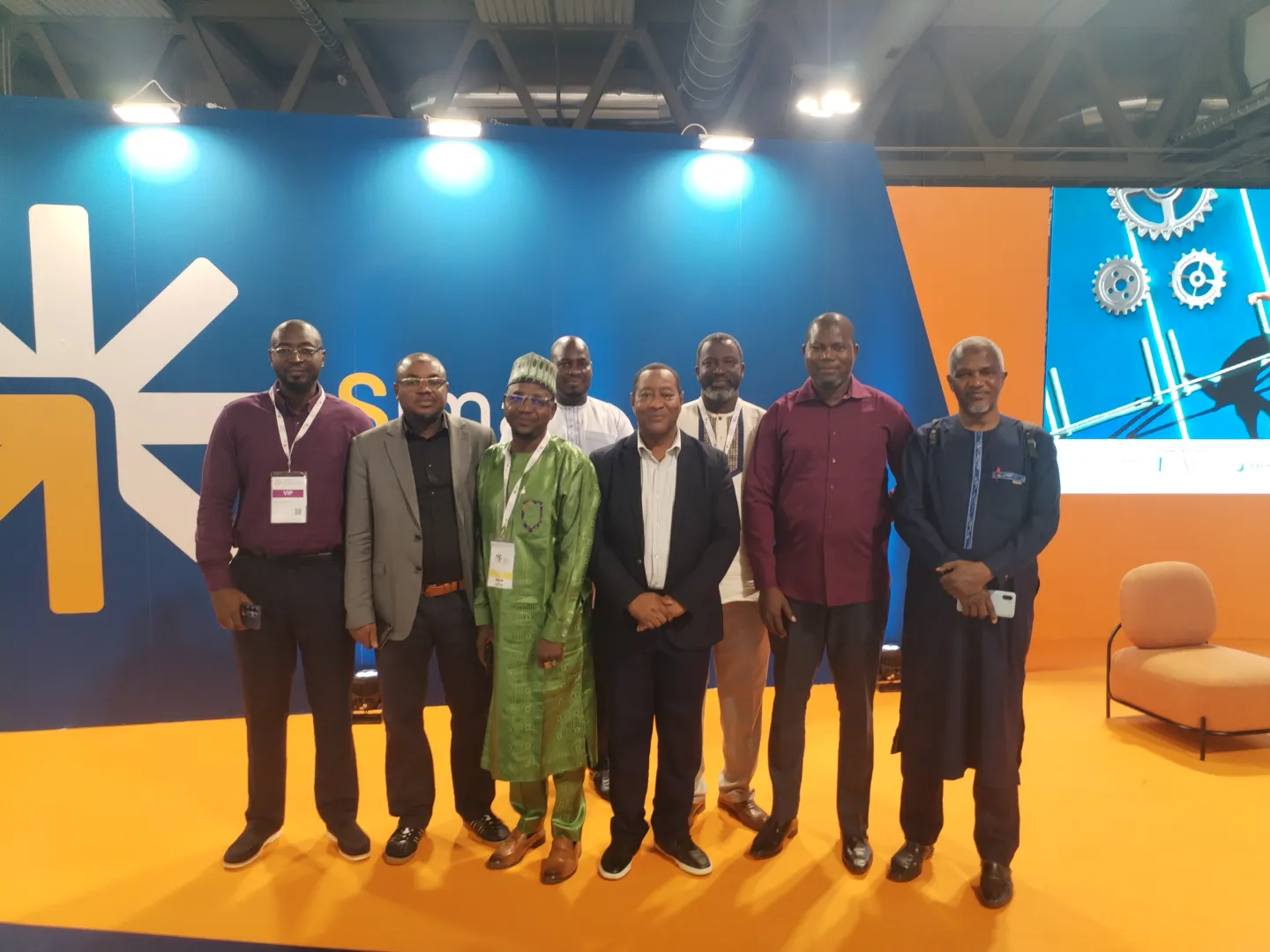
MILAN, Italy (ILO News) – Niger’s leather and hides sector continues to open up to international markets and technologies. The participation of a Nigerien delegation at SIMAC Tanning Tech 2026 in Milan provided an opportunity to establish numerous contacts with industry professionals, explore innovative technological solutions and identify avenues for cooperation in processing, training and skills development.
For stakeholders in Niger, the challenge is to strengthen the local processing of hides and skins in order to increase the value added generated within the country, whilst improving the sector’s competitiveness on national and international markets.
The mission brought together representatives from government bodies, trade organisations, artisans and development partners, notably the International Labour Organisation (ILO) and the International Organisation for Migration (IOM). It was organised with the support of the Italian Trade Agency (ITA/ICE), as part of the RECOMPENSE project, funded by the Ministry of Foreign Affairs and International Cooperation (MAECI) through the Italian Agency for Development Cooperation (AICS).
Connections to modernise the sector
SIMAC Tanning Tech is one of the leading international events dedicated to technologies, equipment and solutions for the tanning, footwear and leather goods industries. In this highly internationalised environment, the Nigerien delegation met with equipment manufacturers, processors, technology suppliers and other stakeholders in the leather and hides value chain.

These discussions identified several avenues for cooperation that address the priority needs of Niger’s leather sector, notably the modernisation of equipment, the improvement of processing methods, the enhancement of product quality and the development of products with higher added value.
Participation in the trade fair also provided Nigerien trade organisations, cooperatives and artisans with the opportunity to raise awareness of their expertise and the potential of Niger’s leather and hides amongst international stakeholders.
After Milan, the mission continued in Tuscany with visits to companies specialising in the manufacture of machinery for tanneries, hide processing and wastewater treatment. These visits enabled participants to discover how modern production units operate and to discuss the possibilities of adapting certain technologies to the realities of the Nigerien context.
Improving processing methods is a key driver for increasing local added value, improving product quality, reducing losses and strengthening the capacity of Nigerien businesses to meet market demands.
Focusing on skills to create greater value and more jobs
The mission also placed great emphasis on skills development. Discussions with Italian vocational training institutions focused on careers in footwear and leather goods, and on developing the technical skills required to modernise the sector.
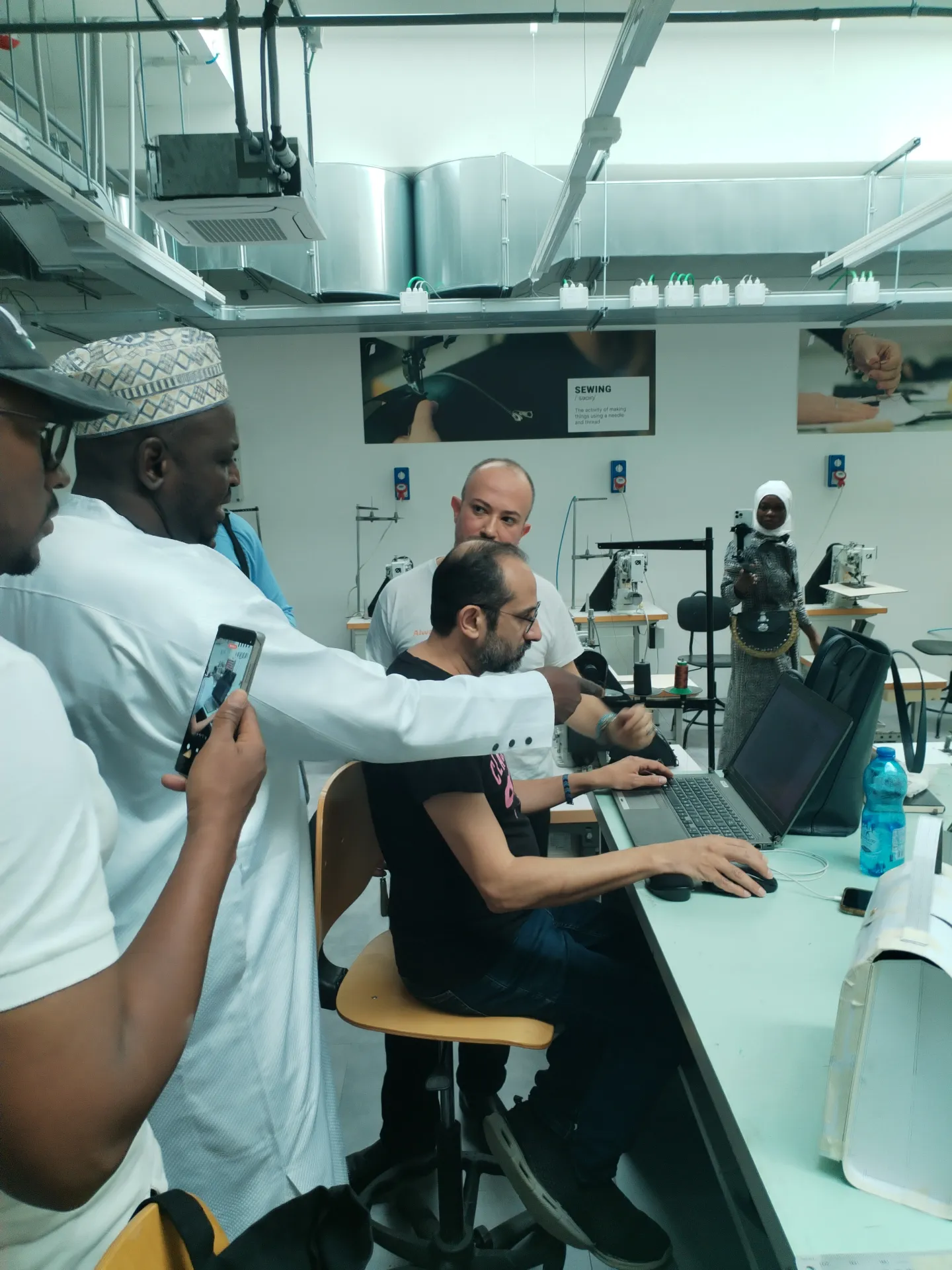
These discussions open up prospects for cooperation between Italian training institutions and Nigerien stakeholders. They could help to enhance the skills of craftspeople and workers and better align training provision with the needs of businesses.
For a sector set to modernise, access to equipment and technologies must indeed go hand in hand with the development of the skills essential for their use and maintenance.
One of the main challenges now is to transform the contacts made and the opportunities identified into concrete collaborations capable of generating sustainable results for businesses and workers.
As emphasised by the ILO’s approach within the RECOMPENSE project, the sector’s internationalisation must, above all, help to improve productivity, strengthen skills and create more opportunities for decent work.
By bringing together stakeholders from Niger with Italian companies, training centres and technology providers, this mission is helping to create the conditions for more structured cooperation across the leather and hides value chain.

For Niger, the next step will be to explore the technical, commercial and training opportunities identified in greater depth, with a view to transforming these new opportunities into investment, enhanced skills and better-quality jobs for the benefit of workers, craftspeople and businesses in the sector.
During its participation in the SIMAC Tanning Tech trade fair in Milan, the Niger Centre for Leather Crafts and Arts (CMCAN) took a significant step forward in the development of the leather sector by signing a memorandum of understanding with the Moroccan Centre for Leather Techniques (CMTC).
This collaboration aims to strengthen the exchange of skills and expertise between the two institutions in key areas such as vocational training, the improvement of tanning techniques, leather goods, footwear, applied research, innovation and the development of leather product quality.
The signing of this agreement follows meetings and discussions held during the SIMAC Tanning Tech trade fair, one of the largest international events dedicated to technologies and equipment for the leather sector. This event enabled CMCAN to establish strategic contacts with several international players in the sector and to identify new opportunities for cooperation.
Additional details
References
- DOI: N/A