

policy making
Newly appointed LESCO members undergo capacity building with ILO support in Tanzania
The ILO is working with Tanzania to strengthen LESCO, a national group that helps solve work-related problems by bringing together workers, employers, and government officials.
14 May 2025
Arusha, Tanzania (ILO News)— The International Labour Organization (ILO), in collaboration with the Government of the United Republic of Tanzania, officially launched a capacity building workshop for newly appointed members of the Labour, Economic and Social Council (LESCO) in Arusha.
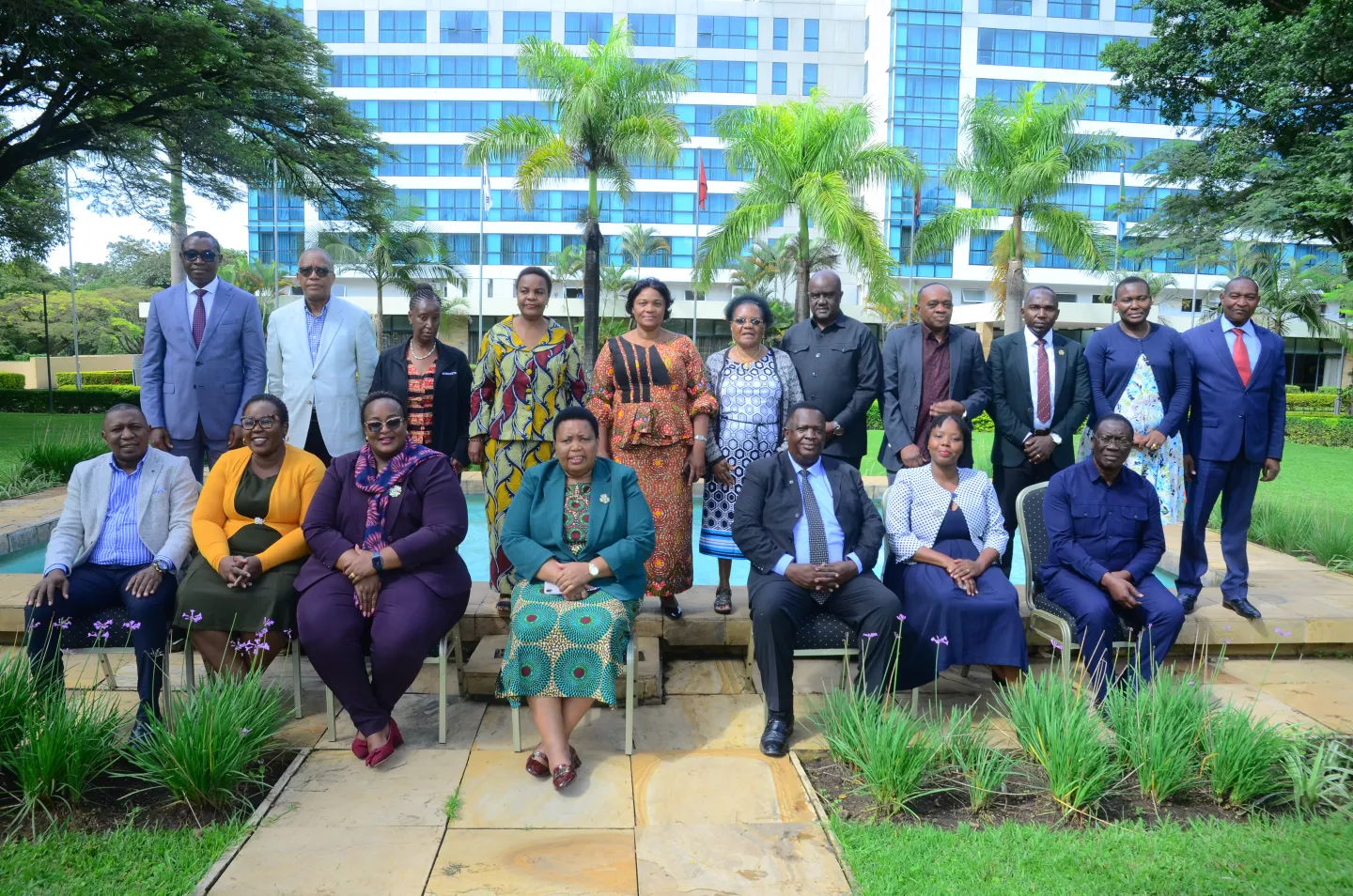
The training, aimed at enhancing the effectiveness of tripartite dialogue, was attended by representatives from the Prime Minister’s Office – Labour, Youth, Employment and Persons with Disability (PMO-LYED), the Association of Tanzania Employers (ATE), and the Trade Union Congress of Tanzania (TUCTA).
In her opening remarks, Ms. Caroline Khamati Mugalla, ILO Country Director for Tanzania, Burundi, Kenya, Rwanda, and Uganda, extended heartfelt congratulations to the newly appointed LESCO members. She commended their selection as a vote of confidence in their capacity to meaningfully shape national labour, economic, and social development.
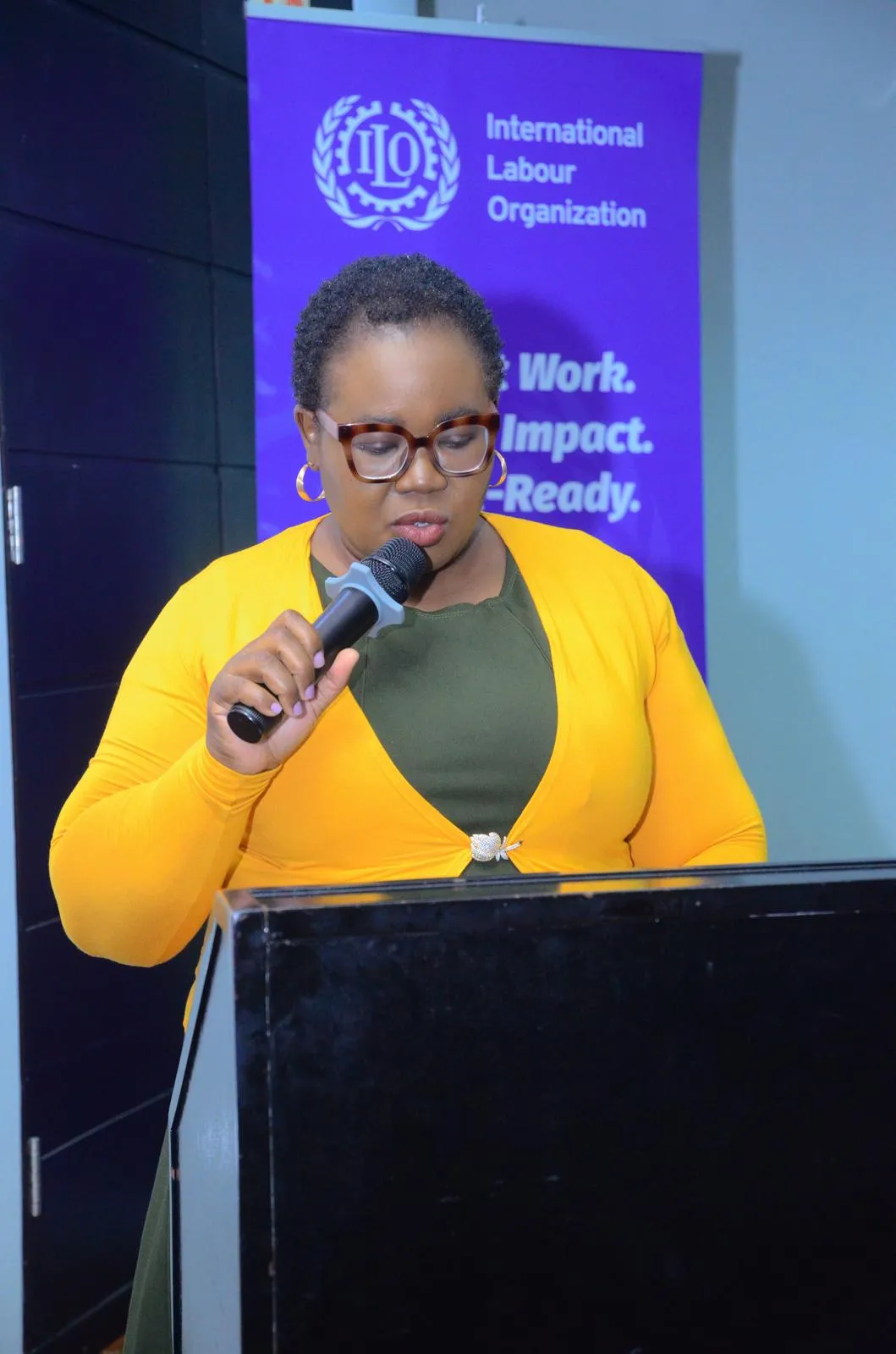
Your role as LESCO members is critical. It goes beyond policy advice. it includes strengthening dialogue, building consensus, and shaping a future of work that is inclusive, equitable, and resilient.
Caroline Khamati Mugalla, ILO Country Director for East Africa
Also speaking during the opening, Labour Commissioner Ms. Suzan Mkangwa of the Prime Minister’s Office (PMO-LYED) thanked the ILO for its support in organizing the training and for providing technical experts to guide the sessions. She highlighted the importance of such efforts in equipping LESCO members with the knowledge, professionalism, and skills required to address labour, employment, economic, and social issues effectively.
It is my expectation that the Council will fulfil its duties effectively in support of the government’s vision under the leadership of H.E. President Dr. Samia Suluhu Hassan to build the economy, expand employment, and serve the community.
Ms. Suzan Mkangwa Labour Commissioner of the Prime Minister’s Office
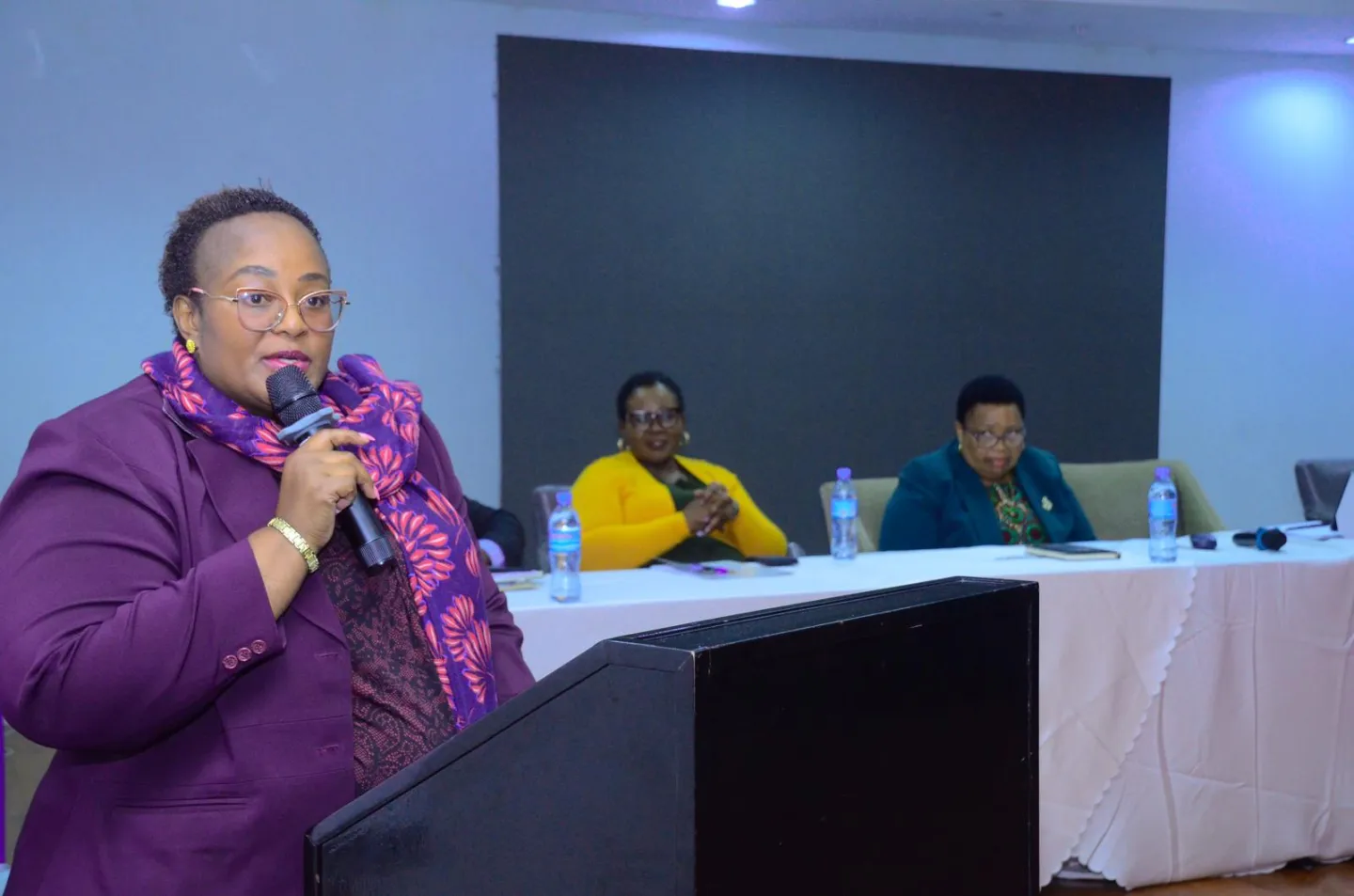
Ms. Mkangwa emphasized that LESCO must prioritize national interest, patriotism, justice, integrity, and mutual accountability; principles that underpin the Sixth Phase Government’s people-centred philosophy. She also underscored the Council’s role in advising the Minister on policies, strategies, and laws that promote decent work, productivity, and sustainable economic growth.
LESCO: A cornerstone of Social Dialogue
LESCO, Tanzania’s national tripartite advisory body, plays a crucial role in resolving labour market challenges by fostering collaboration among government, employers, and workers. The ILO emphasized that strong, functional institutions like LESCO are vital pillars of social justice and sustainable development.
Tripartism and social dialogue are not just theoretical concepts—they are practical tools that help societies navigate complex transitions in the world of work.
Caroline Khamati Mugalla, ILO Country Director for East Africa
The training forms part of the ILO’s broader strategy to strengthen labour market institutions, drawing from the principles outlined in the ILO Centenary Declaration for the Future of Work and contributing directly to the Sustainable Development Goals (SDGs).
A strategic approach to institutional strengthening
This training is part of a larger series of technical and financial support initiatives from the ILO to strengthen Tanzania’s labour and social dialogue institutions. The organization recently conducted a training for CMA arbitrators in Morogoro and followed this LESCO session with a leadership workshop for High Court judges of the Labour Division. Support has also extended to areas including labour inspection, international labour standards, compliance, wage policy, labour migration, social protection, and enterprise development.
Together, these efforts enhance Tanzania’s ability to respond to labour market shifts, promote decent work, and foster sustainable enterprise.
Caroline Khamati Mugalla, ILO Country Director for East Africa
Call for engagement and collective learning
The current training responds to a critical need following the expiration of the previous LESCO members' term in August 2024. With the appointment of new members underway, the training aims to equip them with the knowledge and tools required to deliver on their mandate effectively. Additionally, the LESCO Secretariat staff are being trained to provide consistent administrative support that ensures regular and productive Council sessions.
The sessions cover a range of topics including principles and practices of social dialogue; governance and leadership in tripartite institutions; legal and institutional frameworks, including relevant ILO Conventions; roles and responsibilities of LESCO and PMO-LYED; productive dialogue facilitation; and the use of the Self-Assessment Method for Social Dialogue Institutions (SAM-SDI). The workshop is facilitated by Mr. Limpho Mandoro, ILO Social Dialogue and Labour Administration Specialist, and emphasizes peer learning, active participation, and applied knowledge to ensure tangible results.
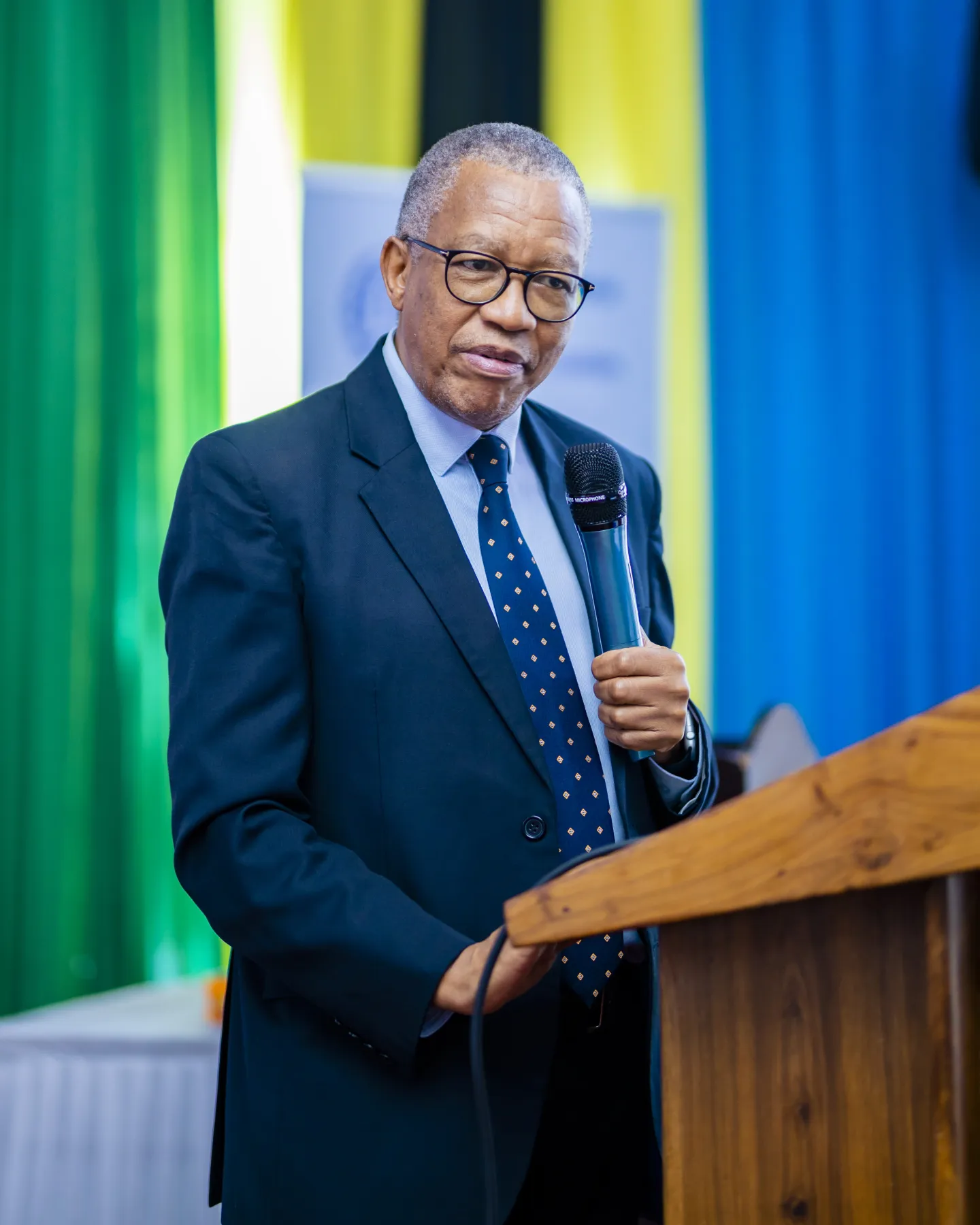
In her vote of thanks, LESCO Chairperson, Hon. Victoria Makani, retired Judge of the High Court of Tanzania, applauded both the PMO-LYED and the ILO for organizing what she described as a timely and impactful training for the newly constituted Council. She stressed that such initiatives are instrumental in enabling LESCO to carry out its advisory mandate effectively.
Hon. Makani expressed optimism for continued collaboration, including more in-depth training, exposure visits, and benchmarking opportunities to observe how similar bodies function in other countries. Such initiatives, she noted, would enhance the Council’s capacity to implement its responsibilities with greater insight, competence, and effectiveness.
Aligning with National and Global Development Frameworks; This initiative directly supports Tanzania’s Five-Year Development Plan III (FYDP III) and the Zanzibar Development Plan (ZADEP), under the pillar of Good Governance. It also contributes to Priority 3 Social Dialogue and Tripartism of the draft Decent Work Country Programme (DWCP) for 2023/24–2027/28.
At the global level, it aligns with the ILO Programme and Budget for 2024–25, under Policy Outcome 2, and with Output 2.3 aimed at strengthening institutional capacity for effective labour relations. The training also supports the United Nations Sustainable Development Cooperation Framework (UNSDCF) 2022–2027, particularly Outcome 4 on inclusive and accountable institutions, and SDGs 1, 10, and 16.
The ILO reaffirmed its unwavering commitment to supporting Tanzania’s efforts in building inclusive, responsive, and sustainable labour market institutions.
The ILO remains your steadfast partner in advancing social justice and decent work in Tanzania. We are proud to support your journey in building resilient, inclusive, and future-ready institutions
Caroline Khamati Mugalla, ILO Country Director for East Africa