


New collaborations and strategies to tackle child labour in Bibiani, Ghana
15 May 2024
New collaborations and strategies to tackle child labour in Bibiani, Ghana
Ghana, 15 May 2024 – The International Labour Organization (ILO) has further committed to the battle against child labour in Ghana by expanding coverage of its Accelerating Action for the Elimination of Child Labour in Supply Chains in Africa (ACCEL Africa) project. This expansion of project interventions is a result of the collabourative efforts between the ILO, supported by the Ministry of Foreign Affairs of the Kingdom of the Netherlands, and in partnership with the Ministry of Employment and Labour Relations of Ghana.
This collabouration resulted in the addition of Bibiani Ahwiaso Bekwai municipality to the project districts (Bia East, Juaboso and Wassa Amenfi East), which has increased the number of project focus districts in Ghana from three (3) to four (4). In line with the theme of the project launch “Accelerating TOGETHER Action Against Child Labour in Ghana” which was jointly done with other child labour projects, the expansion of project interventions will create synergies with the work of government and other agencies such as United Nations Children’s Fund (UNICEF) and Japan International Cooperation Agency (JICA) operating in the Bibiani Ahwiaso Bekwai Municipal. Also, this will create an opportunity to broaden the impact and effectiveness of the ILO’s interventions aimed at complementing government and other donor efforts towards eliminating child labour in cocoa and gold supply chains.
During a planning and coordination mission to the newly added district, the ILO engaged with local government units such as Social Welfare and Community Development, Municipal Child Protection Committee, Planning Unit, Gender Desk Office, Labour Unit, National Commission for Civic Education, Department of Cooperatives, Traditional Authorities, and community members among others to discuss context issues of child labour and to collect baseline data to inform programming. The engagements underscored a unified commitment to eradicating child labour, through the Ghana Accelerated Action Plan Against Child Labour 2023-2027 and in alignment with Sustainable Development Goal 8.7. Mr. Joshua Addae, the Municipal Assistant Director expressed interest of the entire municipal team to work with the ILO on ACCEL- Africa project and assured the ILO of the municipal’s maximum support for the project. He also applauded the ILO for collabourating with JICA and UNICEF who are already implementing child labour interventions in the area.
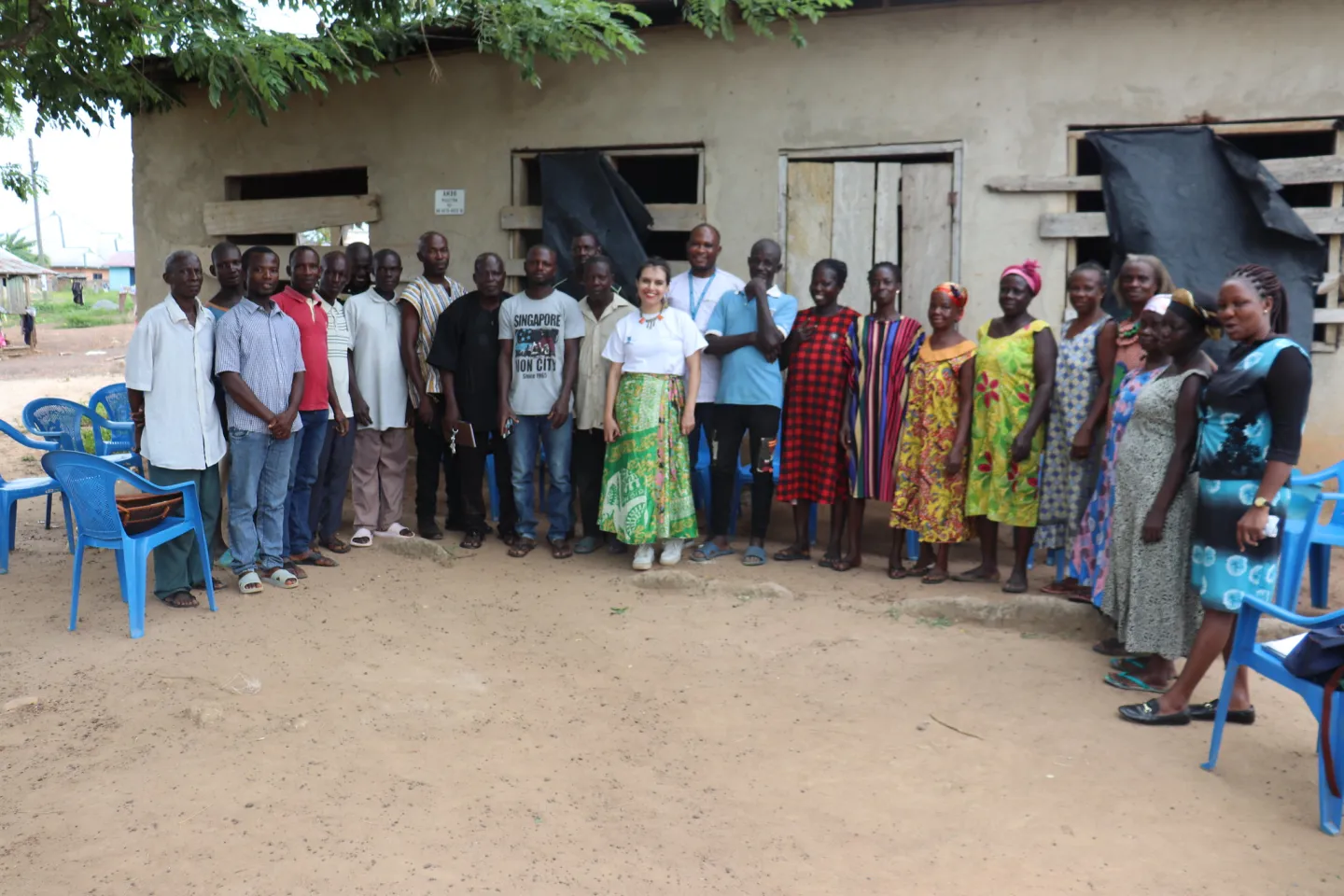
Community visits highlight local challenges
The mission gave the ILO the opportunity to engage with local communities and stakeholders in the planning process, ensuring that the project's direction is informed by those it aims to serve. Communities where project activities will be implemented were visited during which relevant baseline documentation was collected through interviews and focus group discussions to establish baseline elements. Also, the mission enabled the ILO to seek enhanced understanding of the project’s collabouration with UNICEF and JICA to ensure that project plans are harmonized, fostering a unified approach towards shared goals and to proactively identify and plan for joint initiatives with UNICEF and JICA towards maximizing resource utilization and impact.
During the mission, the team visited the Beposo community, primarily engaged in gold mining and cocoa farming. Despite some progress in reducing child labour, financial constraints continue to impact children’s well-being. The lack of machinery hampers effective farming practices, and inadequate educational and healthcare facilities pose additional challenges.
In Nkatieso, where most residents work in cocoa farming, economic hardships are severe. Children often work to support their families, affecting their education. Financial education, entrepreneurship training, and improved educational infrastructure are urgently needed to break the cycle of poverty.
The Ntakam community struggles with child labour, poverty, and insufficient resources for education and farming. Sensitizing the community about child labour, providing financial assistance and training for women, and promoting sustainable farming practices are critical steps for development.
The Aboduabo community, mainly engaged in cocoa farming, faces challenges due to seasonal income and lack of support. Enhancing educational resources, providing vocational training, and improving agricultural productivity through better infrastructure and inputs are essential for the community's development.
The Juaboso District faces complex challenges that require coordinated efforts from various stakeholders. Revitalizing the Child Labour Committee, ensuring coordinated efforts from various sectors, and focusing on livelihoods are key steps. Collaboration with international organizations, companies, and NGOs, combined with effective decentralization, will strengthen community development efforts.
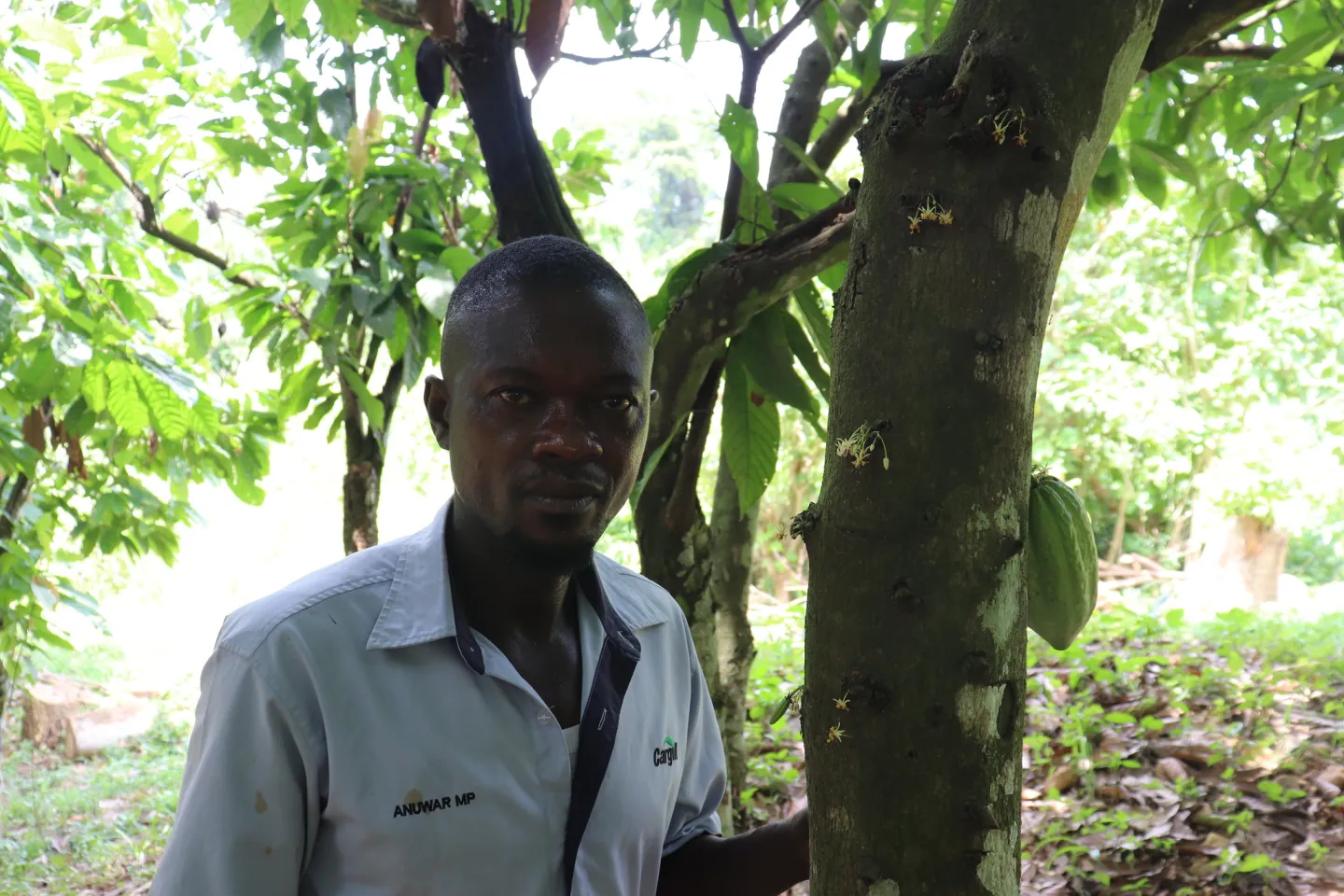
The mission to Bibiani, Ghana, marks a significant effort to combat child labour and promote sustainable development through comprehensive and collaborative strategies involving all stakeholders. The commitment from all parties to intensify efforts through integrated community initiatives, enhanced cooperation between governmental bodies and NGOs, and innovative livelihood projects sets a hopeful path for the future.
To translate the commitments and insights from the planning mission into tangible outcomes, the ILO will take several actionable steps. First, the data collected will be meticulously analysed and validated in collaboration with national stakeholders and project partners to ensure alignment and accuracy. Based on these findings, the ILO will refine and adjust project plans and activities to address the specific needs of each community effectively. Key areas of focus will include enhancing financial education and entrepreneurship training, improving educational infrastructure, and promoting sustainable farming practices. Additionally, the ILO will strengthen partnerships with local government units, UNICEF, and JICA to ensure a harmonized approach and maximize resource utilization. Regular monitoring and evaluation will be conducted to track progress and make necessary adjustments. Community sensitization programs will be intensified to raise awareness about child labour, and targeted support will be provided to vulnerable families to break the cycle of poverty. Through these concerted efforts, the ILO aims to create a lasting impact and move closer to the ultimate goal of eradicating child labour in Ghana's supply chains.
