

National Strategy on Skills Development for Labour Migration launched in Kenya
13 December 2024
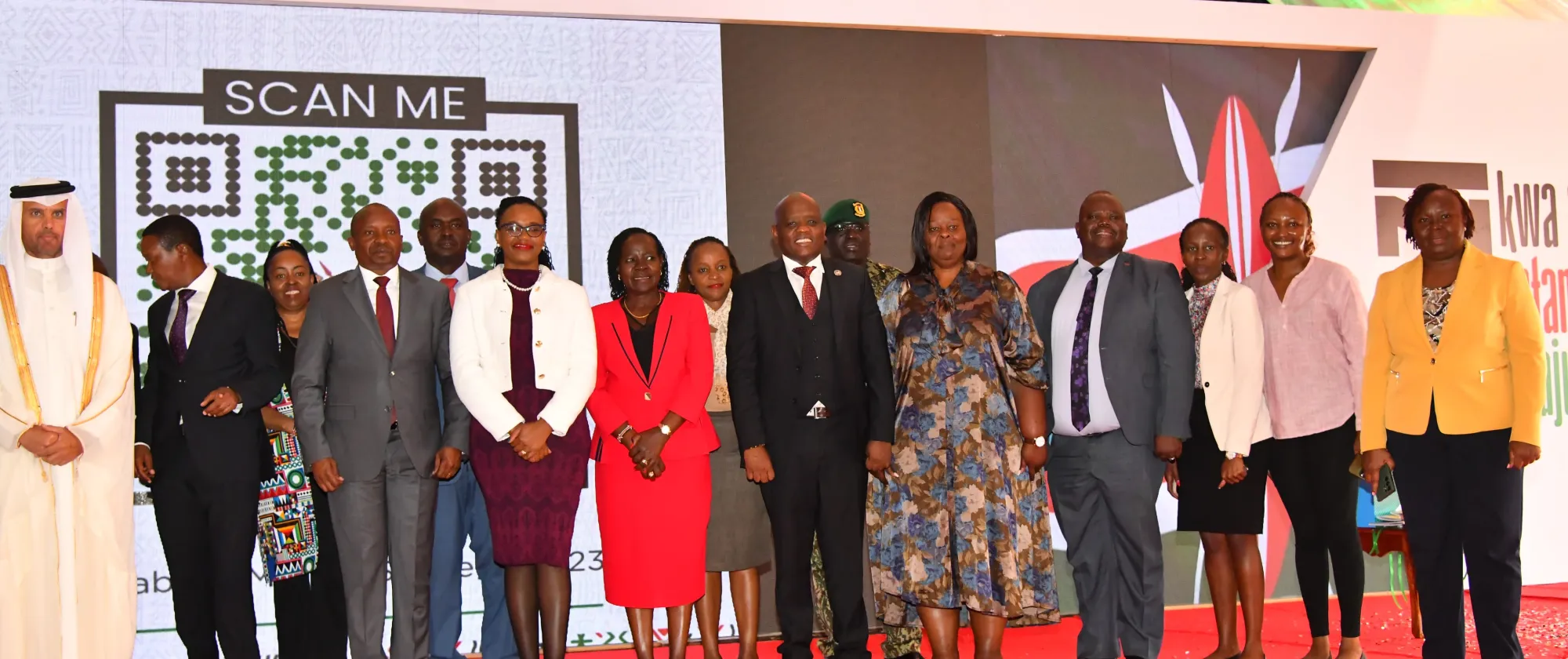
On December 11, 2024, the Government of Kenya, with support from the ILO Better Regional Migration Management (BRMM) program, launched the National Strategy on Skills Development for Labour Migration in a vibrant ceremony officiated by Hon. Kithure Kindiki, Vice President of the Republic of Kenya. The strategy, a critical step in enhancing Kenya’s role as a source of skilled and qualified workers for the global economy, provides a roadmap for aligning skills development with international labour market needs.
The launch event brought together key stakeholders from government ministries, private sector organizations, and civil society. Their presence underscored the collaborative nature of the strategy’s development and the shared commitment to its successful implementation. Participants expressed optimism about the potential of the strategy to transform labour migration practices and strengthen Kenya’s position in the global labour market.
Hon. Kithure Kindiki, Vice President of the Republic of Kenya, during the launch, underscored the impact of labour migration in Kenya’s economic landscape. He pointed out the growing contribution of remittances as a cornerstone of the country’s foreign exchange earnings, directly bolstering household incomes and national development. “This strategy positions Kenyan workers as competitive players in the global economy while ensuring their rights and welfare are protected,” he stated.
The strategy is anchored on four pillars: governance and accountability, skills for the global labour market, cultural integration and resilience, and skills recognition. Each pillar is linked to specific strategic objectives designed to address challenges such as fragmented governance structures, skills mismatch, and inadequate support for migrant workers. For example, the strategy aims to establish a multi-stakeholder coordination mechanism, enhance pre-departure and post-arrival training, and promote recognition of skills and qualifications to improve the global competitiveness of Kenyan workers. Organized into five comprehensive chapters, the strategy lays a strong foundation for improving labour migration governance. The first chapter provides an overview and context, highlighting the relevance of skills development in the global economy. A situational analysis in the second chapter identifies key gaps and challenges in current skills development practices, while the third chapter presents strategic goals, objectives, and interventions. The fourth chapter outlines the institutional framework for implementing the strategy, and the final chapter details monitoring and evaluation mechanisms to ensure progress and accountability.
The strategy demonstrates Kenya's dedication to tackling youth unemployment by harnessing the potential of labour migration to support socio-economic growth. It highlights the critical need for structured, safe, and efficient migration pathways, with a focus on bridging the gap between education and employment for young people. By doing so, the strategy aspires to elevate Kenya’s standing as a hub for highly skilled workers in the global marketplace.
In addition, the strategy incorporates best practices from international models to ensure relevance and sustainability. It outlines interventions such as the development of skills mobility partnerships, capacity-building programs for labour officers, and the creation of a national skills inventory to match labour supply with global demand effectively.
As Kenya embarks on implementing the National Strategy on Skills Development for Labour Migration, the focus remains on promoting collaboration among stakeholders, mobilizing resources, and ensuring alignment with international labour standards. This initiative represents a bold step toward harnessing the full potential of labour migration for national development while protecting the dignity and rights of Kenyan workers abroad.
Relevant projects

East and Horn of Africa
Better Regional Migration Management