

Nakhwa Association for women and family: Advancing women’s economic empowerment in Southern Tunisia
Reviving tradition and empowering women, Nakhwa transforms local crafts into sustainable opportunities, fostering entrepreneurship and economic resilience in southern Tunisia.
3 March 2025
A Legacy of Strength and Solidarity
Tunis, Tunisia (ILO News) - The Association Nakhwa pour la Femme et la Famille stands as a beacon of resilience and innovation. Founded in 2012 in Metouia, Gabes, Nakhwa’s mission is simple yet profound: to empower women by breathing new life into traditional industries, harnessing the rich natural resources of the region, and fostering a spirit of solidarity. Through its work, the association has become synonymous with the Arabic word “نخوة” (nakhwa), a concept that encapsulates pride, generosity, and an unwavering commitment to community.
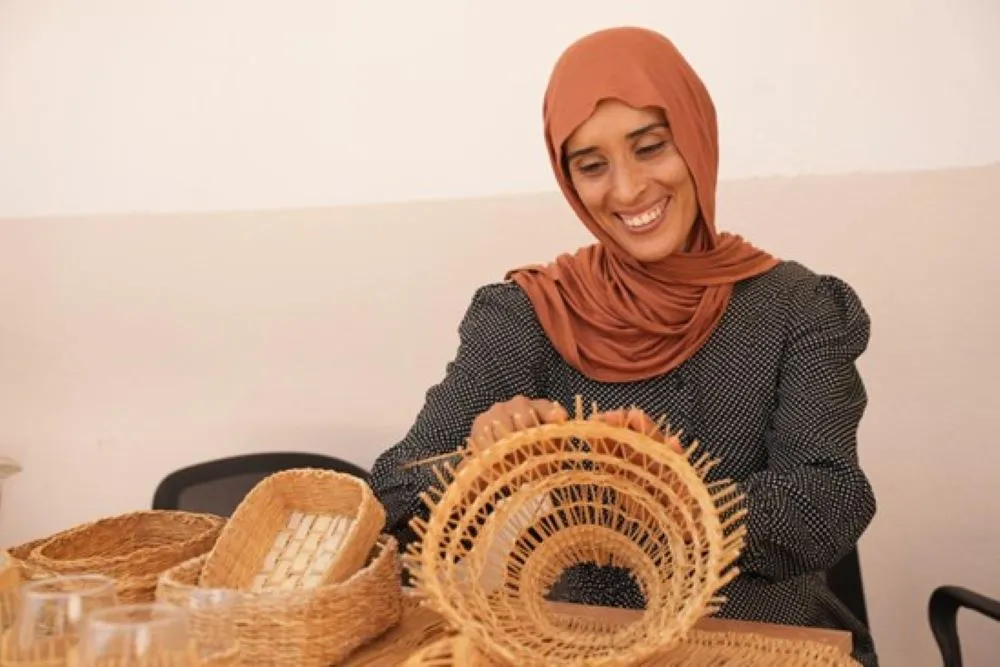
Challenges in the Face of Crisis: The Impact of COVID-19
However, like many grassroots organizations in Tunisia, Nakhwa faced significant challenges in recent years. The COVID-19 pandemic disrupted supply chains, cutting off access to the raw materials essential for their craft. Artisans who relied on the weaving of plant fibers—skills passed down through generations—found themselves unable to produce or sell their goods. The once-thriving workshops fell silent, and with them, hopes for a better future seemed to fade
Jeun’ESS: A Transformational Partnership
The Jeun’ESS programme, backed by the International Labour Organization (ILO), provided a critical intervention. Nakhwa, with its deep roots in the community and expertise in plant fiber crafts, became a natural fit for Jeun’ESS. The programme’s intervention was not merely financial; it was transformational. Through targeted grants and technical support, Jeun’ESS enabled Nakhwa to reinitiate production by equipping 20 women artisans with raw materials and essential tools. This assistance went beyond operational support; it introduced mechanisms to formalize and expand women’s roles in the local economy. The programme emphasized structured training, equipping artisans not only with craft-specific skills but also with business competencies necessary for sustainable growth.
Empowering Women Entrepreneurs: From Artisans to Business Leaders
One of Jeun’ESS’s key impacts has been fostering entrepreneurship among women in the community. For instance, Shaima and Tasneem, beneficiaries of the programme, have transitioned from artisans to entrepreneurs, launching their own projects within the framework of the social and solidarity economy. Their success has catalyzed interest among other young women, some of whom now seek formal qualifications and support to develop their own businesses.
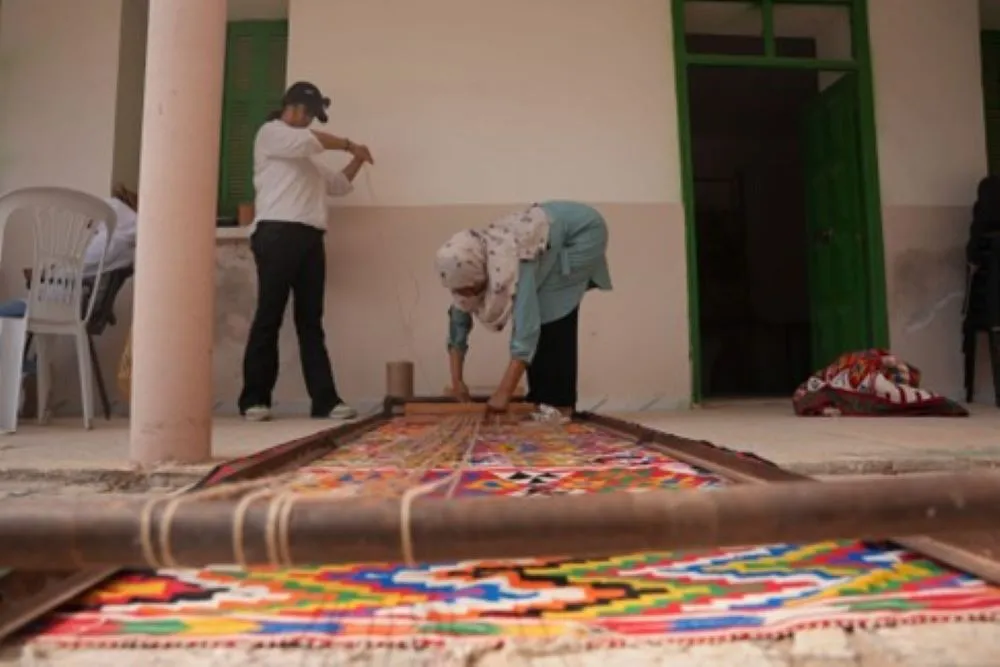
Reviving Tradition: The Economic and Cultural Impact of Plant Fiber Crafts
The programme’s influence is also evident in its contribution to local economic resilience. By focusing on traditional industries and the underutilized resources of the Métouia oasis, Jeun’ESS has helped Nakhwa position itself as a driver of inclusive economic development. The revival of plant fiber crafts not only preserves cultural heritage but also addresses economic disparities in southern Tunisia, where employment opportunities remain limited.
Jeun’ESS’s integrated approach—combining financial support, capacity building, and market access—has strengthened Nakhwa’s operational capacity and reinforced its role as a community leader. The association continues to advocate for broader participation in the social economy, seeking to scale its impact and foster greater autonomy among women artisans.
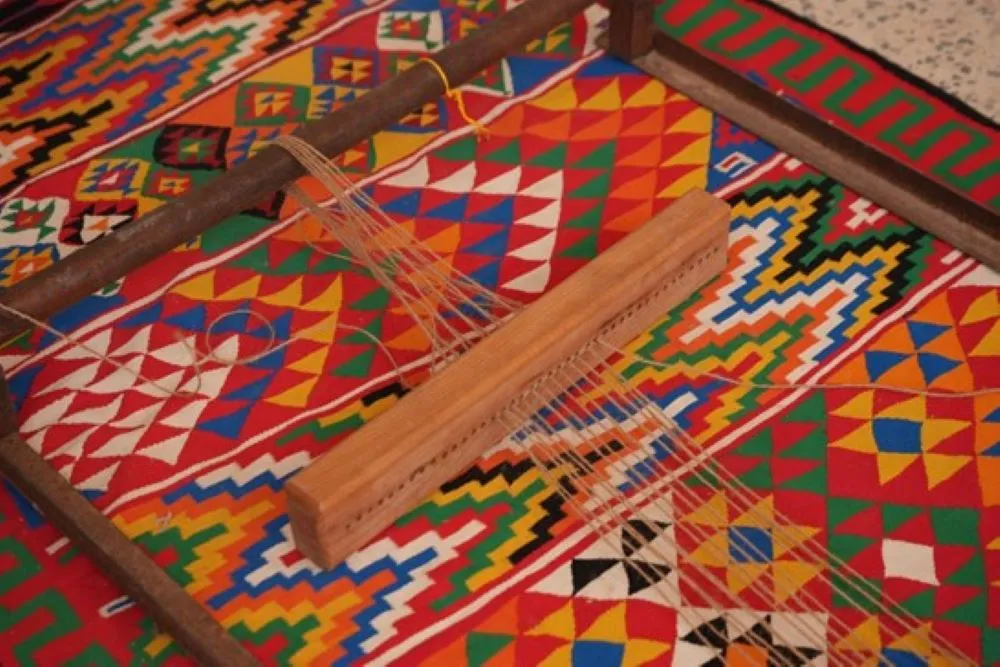
Scaling Impact: The Future of Nakhwa in the Social and Solidarity Economy
In this context, Nakhwa and Jeun’ESS exemplify how targeted interventions in social enterprises can simultaneously advance women’s economic empowerment and promote sustainable local development, contributing to broader socio-economic stability in Tunisia’s marginalized regions.
Relevant projects

JEUN’ESS: Promotion of Social and Solidarity Economy and Creation of Decent Jobs for Tunisian Youth