

Multi-Stakeholder Workshops Translate Labour Migration Governance into Advocacy and Storytelling across Three Countries
Across three cities in ten days, policymakers, migrant workers, trade unions and civil society came together to turn BRMM's technical achievements into advocacy and storytelling, capturing the human realities of labour migration before the programme closes.
29 October 2025
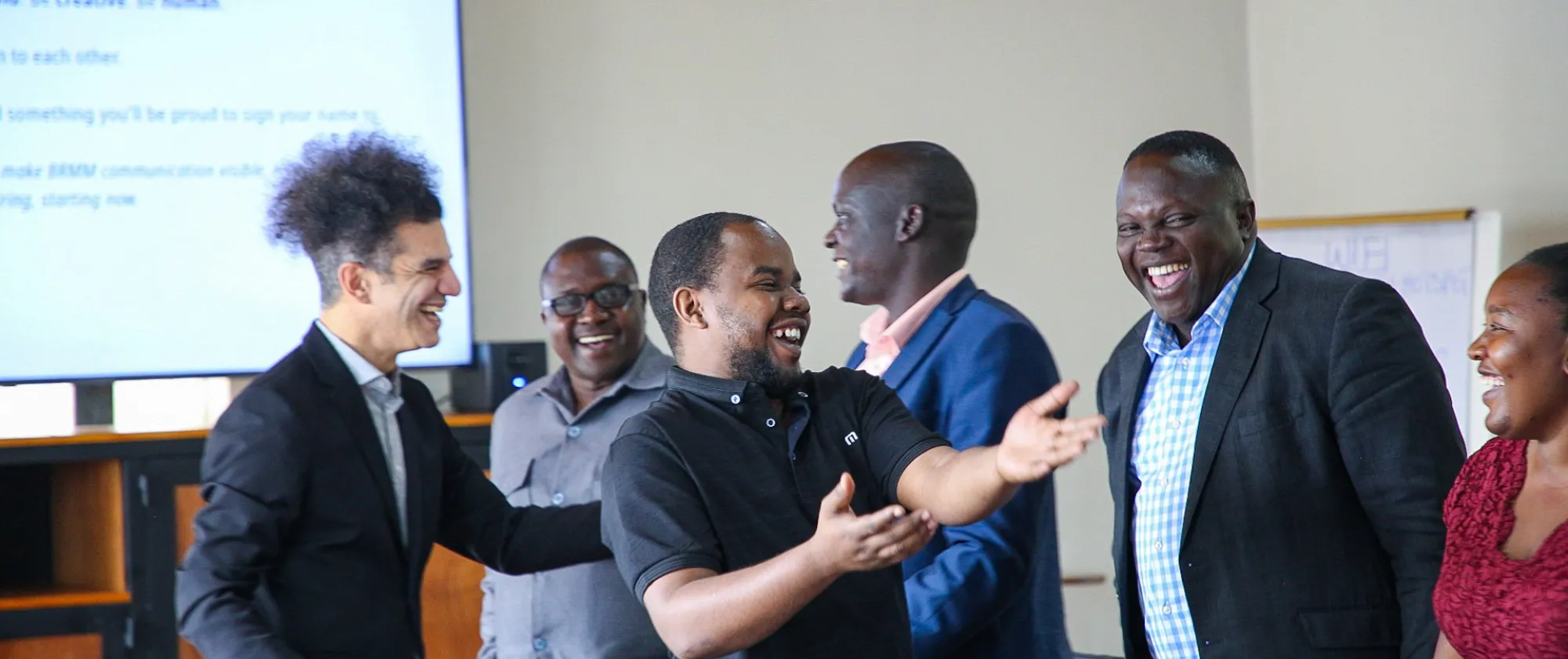
From 27–28 October in Kampala, 30–31 October in Nairobi, and 3–4 November in Addis Ababa, the International Labour Organization (ILO), under the UK FCDO-funded Better Regional Migration Management (BRMM) Programme, in partnership with the ITC ILO, convened multi-stakeholder workshops on labour migration rights, advocacy, and storytelling. The workshops brought together over 90 participants, including migrant workers, government representatives, social partners, recruitment agencies, civil society, media, and international partners, to strengthen communication approaches and document migration experiences reflecting both policy progress and lived realities.
Migration across the East and Horn of Africa is characterised by complex and mixed flows involving labour migrants, refugees, and asylum seekers. While labour mobility presents economic opportunities, migrants continue to face risks such as exploitation, abuse, irregular recruitment practices, and fragmented protection systems. Under BRMM Phase II (July 2022–March 2026), the ILO supports seven countries in EHoA to strengthen labour migration governance through evidence-based policies, enhancing migrant workers' qualifications and skills, and actively engaging the social partners. As the programme approaches its final phase, the workshops were designed to consolidate communication and advocacy strategies, ensuring that BRMM’s technical achievements are translated into clear, compelling narratives that can sustain visibility and impact beyond the project’s duration.
Each two-day workshop followed a structured methodology combining strategic communication design with storytelling. Participants engaged in defining target audiences, mapping influence pathways, developing key messages, identifying appropriate communication channels, and linking advocacy priorities to BRMM’s strategic objectives. Interactive tools, such as audience mapping canvases, message mapping exercises, and influence matrices, were used to guide discussions and outputs. A dedicated video booth was set up during each workshop to capture short reflective testimonies from policymakers, trade union representatives, employers, migrant workers, and civil society actors.
The initiative was further strengthened by field-based storytelling activities. In Kampala, Nairobi and Addis Ababa, migrants and returned migrant workers shared personal testimonies in their workplaces and communities. These stories highlighted migration pathways, recruitment experiences, reintegration challenges, and positive outcomes linked to BRMM interventions.
Relevant projects

East and Horn of Africa
Better Regional Migration Management