

Productivity Ecosystems for Decent Work Project in South Africa
Mapping illicit trade in illegal and counterfeit footwear and leather goods in South Africa
Impact on jobs, SMMEs, and investment
14 March 2025
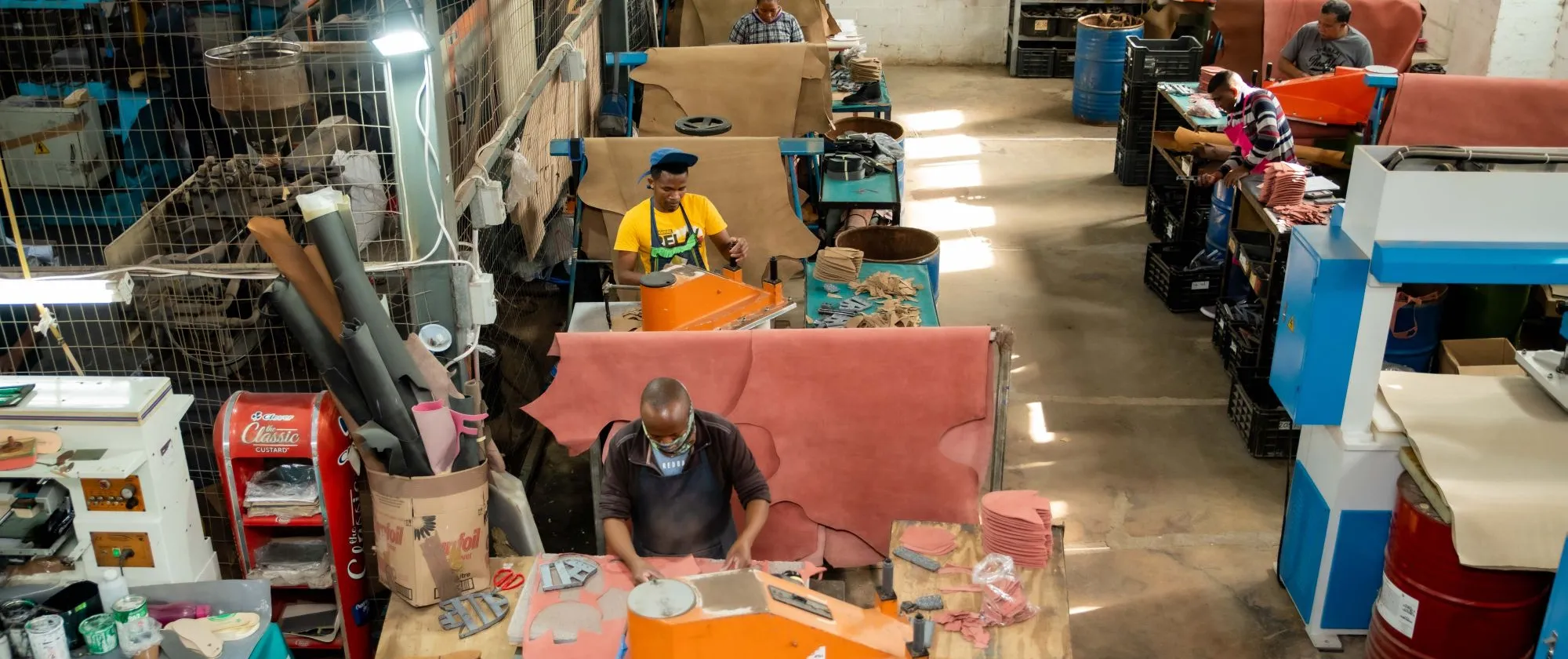
The Productivity Ecosystems for Decent Work Project in South Africa, in collaboration with the Department of Trade, Industry and Competition (the dtic) and the Companies and Intellectual Property Commission (CIPC), launched a comprehensive study to address the pressing issue of illicit trade in South Africa's footwear and leather sector.
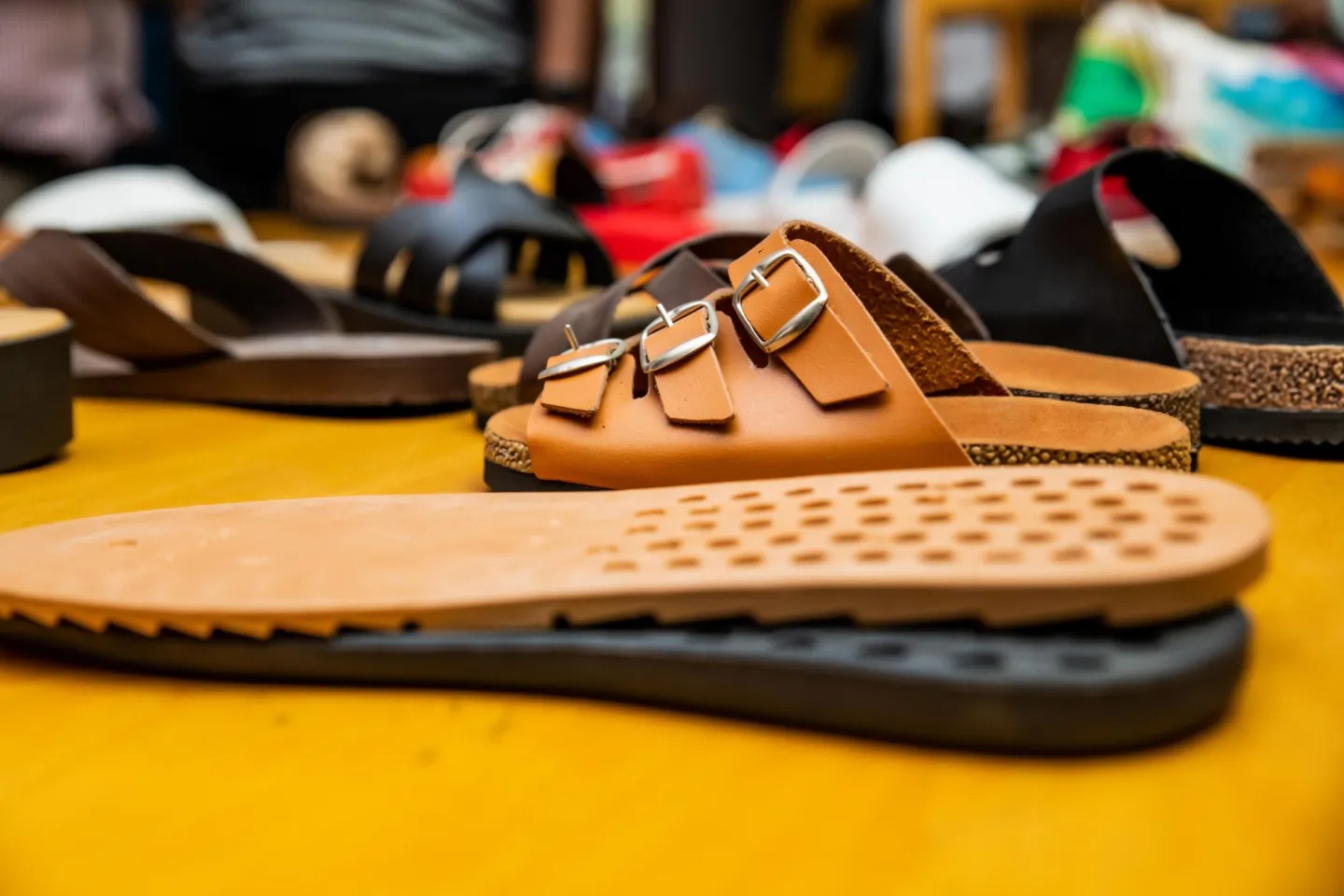
This study aimed to map the channels of illicit trade, distribution systems, and the flow of counterfeit footwear and leather goods, with a particular focus on counterfeit imports. The influx of counterfeit goods undermines legitimate businesses, resulting in job losses, shrinking tax revenues, and unfair competition. Other than economic damage, counterfeit products regularly do not satisfy quality and safety standards, putting consumers at risk.
The objective of the study is to inform interventions that support the development of processes and capacity among key stakeholders to enable effective control over illicit and illegal trade and smuggling of counterfeit footwear and leather goods – in alignment with the R-CFTL Masterplan. Such interventions will in turn help address the above-mentioned challenges in the sector, and tap into the opportunities in a coherent, gender-responsive and effective manner in the sector, with strategies for a positive impact on investment, growing sustainable SMMEs and creating decent jobs for women and men in South Africa.
The study sought to provide strategic insights and recommendations to curb illicit trade in illegal and counterfeit footwear and leather goods. The ultimate goal is to foster a sustainable, inclusive, and growth-oriented business environment. The findings from this study supported interventions aligned with the Government’s Retail-Clothing, Textile, Footwear & Leather (R-CTFL) Master Plan. The R-CTFL Master plan aimed to promote investment, sustainable growth for small, medium, and micro enterprises (SMMEs), and the creation of decent jobs, particularly for the youth.
In light of these efforts, various stakeholders from different sectors, including government departments and agencies such as South African Police Services (SAPS), South African Revenue Services (SARS), and Trade and Industrial Policy Strategies (TIPS); workers organisations and Industry Associations participated, in the workshop where the draft findings of the study were presented and discussed.
This workshop served as a platform for stakeholders to engage in discussions, share insights, and contribute to shaping effective responses to illicit trade in the sector. The stakeholders gave their unwavering commitment and leadership in combating illicit trade. They also stressed the importance of continued collaboration with key partners in combatting illicit trade in illegal and counterfeit footwear and leather goods.
This initiative represented a significant step towards combating illicit trade and supporting the growth and sustainability of South Africa's footwear and leather industry. Participants agreed that increased collaboration, coordination, and synergies are essential pillars in fostering a strong, adaptive, and resilient ecosystem needed to grow the footwear and leather industries in the country.
In his remarks, the Productivity Ecosystems for Decent Work Project Manager, Mr Kidane Teklu reiterated that the findings of the study primarily help in addressing the negative impacts of illicit and illegal trade practices in the leather and footwear sector. He further indicated insights from this study are expected to provide valuable framework for tackling similar challenges in other sectors.
The Productivity Ecosystems for Decent Work Project is implemented by the International Labour Organisation, with funding support from the Switzerland Economic Cooperation and Development (SECO) and the Norwegian Agency for Development Cooperation (NORAD). In South Africa, the project focuses on two priority sectors namely the automotive as well as the leather and footwear. The programme applies an ecosystems approach, addressing root causes through interventions at macro, meso, and micro levels. By strengthening local and national capacities, it aims to create lasting, sustainable change.