

Mali adopts its National Occupational Safety and Health Policy and 2025–2029 Action Plan with ILO support
On 19 September 2025, the Government of Mali adopted its National Occupational Safety and Health (OSH) Policy and 2025–2029 Action Plan, with technical and financial support from the ILO through the ACCEL Africa project.
23 September 2025
BAMAKO (ILO News) – On 19 September 2025, the Government of Mali adopted its National Occupational Safety and Health (OSH) Policy and 2025–2029 Action Plan. This major achievement is the result of technical and financial support from the International Labour Organization (ILO) through its ACCEL Africa project, which is financed by the Ministry of Foreign Affairs of the Netherlands, and of a fruitful social dialogue between the government, employers’ organizations, workers’ organizations, and other social partners.
This adoption is part of the international momentum generated by the 2022 International Labour Conference, which recognized occupational safety and health as the fifth fundamental principle and right at work. On that occasion, two new conventions were added to the ILO’s fundamental standards: Convention No. 155 on Occupational Safety and Health and Convention No. 187 on the Promotional Framework for Occupational Safety and Health. By aligning itself with these commitments, Mali demonstrates its determination to ensure safe and decent working conditions for every worker.
“The adoption of this national policy reflects our firm commitment to protecting the life and dignity of every worker in Mali. It marks a decisive step toward a safer, more productive world of work that respects fundamental human rights,” said Dr. Fassoun Coulibaly, Minister of Labour and Public Service.
A major global and African challenge
According to ILO global estimates, each year 2.9 million workers lose their lives due to work-related accidents or occupational diseases. In addition, there are 402 million cases of non-fatal occupational accidents. In Africa, the human and economic toll of these tragedies is particularly severe, disproportionately affecting workers in the agricultural, mining, and informal sectors.
“We have a fundamental responsibility to ensure that people who go to work return home alive, safe, and healthy.” Gilbert Houngbo, ILO Director-General
This call to action underscores the need for everyone’s involvement at all levels to significantly reduce the loss of human life caused by dangerous or unhealthy working conditions.
A contribution to the fight against child labour
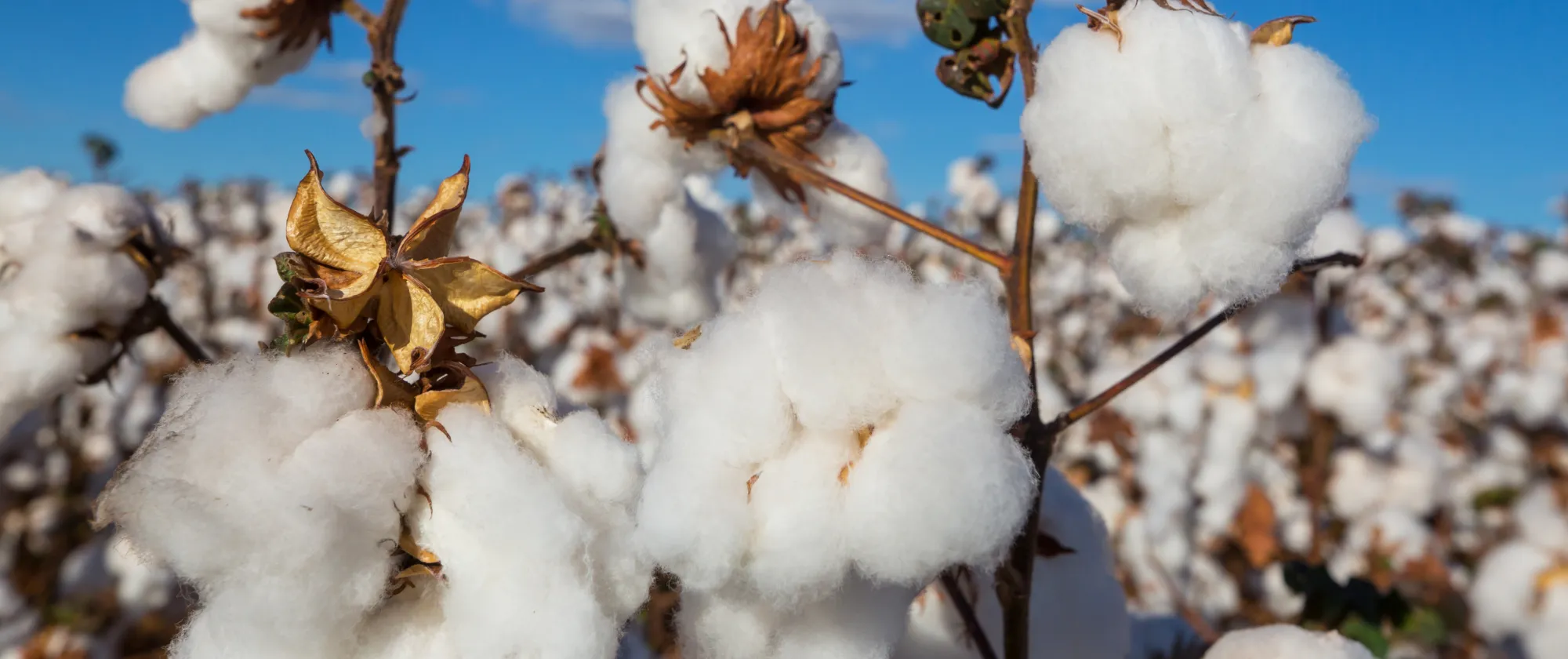
In addition to demonstrating the Government’s strong commitment to the safety and health of workers, the adoption of the national OSH policy and its action plan strengthens Mali’s efforts to eradicate child labour, particularly in the cotton and artisanal gold mining supply chains. Children in these sectors are exposed to multiple hazards, such as carrying heavy loads, handling chemicals, using dangerous tools, and working in unhealthy and unsafe environments.
By improving the prevention of occupational risks and strengthening regulations on working conditions, this policy helps better protect children and reduce their exposure to hazardous forms of work. It is directly aligned with the national list of light work, adopted in July 2025, and the list of hazardous work prohibited for children, both of which are key tools for child protection in the world of work.
A milestone for social cohesion and inclusive growth
Strengthening OSH as a fundamental right in Mali marks an important step not only toward building a safer world of work, but also toward promoting social justice and sustainable development. The implementation of this 2025–2029 Action Plan will strengthen institutional capacities, raise awareness among workers and employers, and promote work environments that respect health and human dignity.
The ILO, together with its tripartite constituents and technical and financial partners, remains committed to supporting Mali in the realization of this ambitious policy for the benefit of workers, enterprises, and society as a whole.
Relevant projects
Accelerating action for the elimination of child labour in supply chains in Africa (ACCEL Africa)