

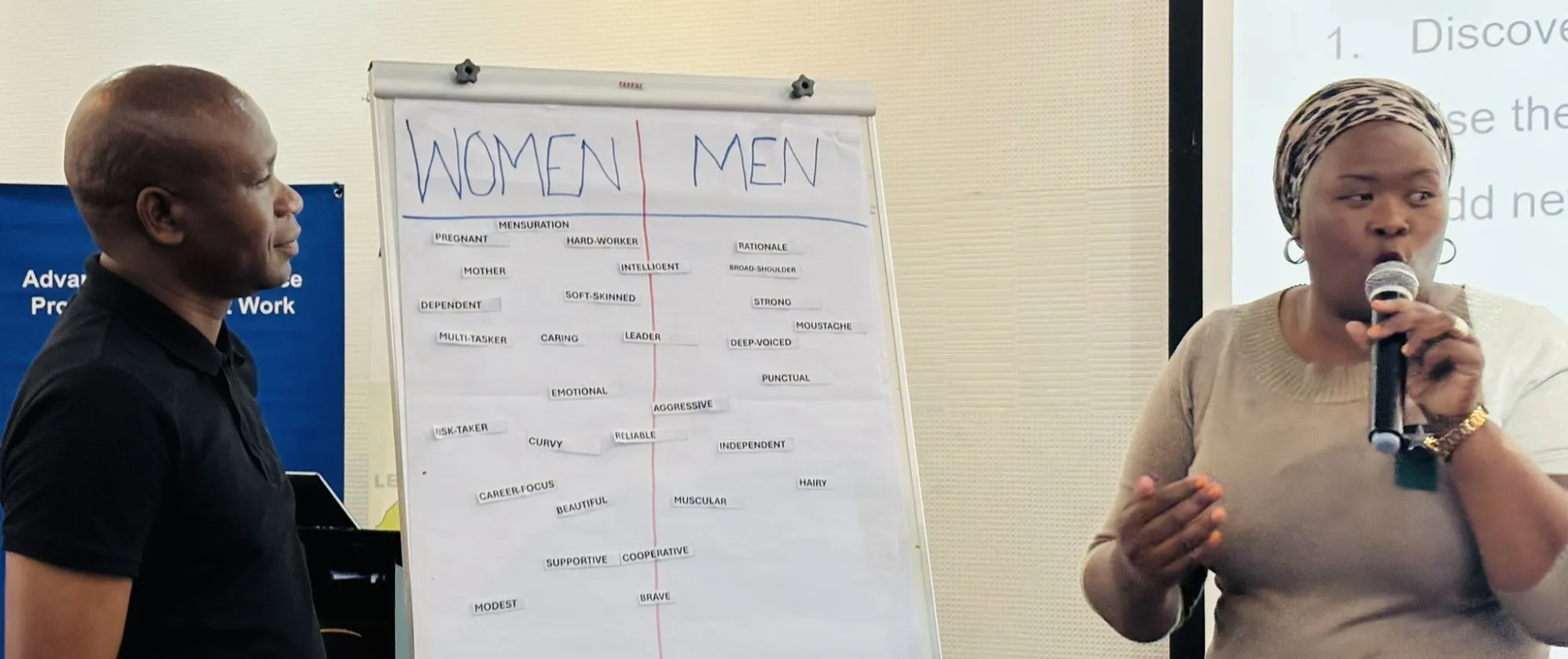
Local Municipal officials empowered to advance inclusive governance through Gender Mainstreaming and Social Inclusion
29 August 2025
Senior leadership of the Waterberg District Municipality have been equipped with new skills to advance inclusive governance, following a four-day training on gender mainstreaming and social inclusion held from 19–22 August 2025, facilitated by the International Labour Organization through its Circular Economy Project implemented in the Waterberg District.
The workshop convened Council Members, Heads of Departments, Municipal Managers, Procurement Officers, Gender Focal Person, Social Development and Environmental Health Managers and Planning Officials, reinforcing the district’s commitment to integrating equity and inclusivity into local government operations.
Local government institutions play a crucial role in service delivery and community development. However, many continue to operate within systems that do not adequately consider the needs of women, persons with disabilities, youth, and other marginalised groups. This gap often results in unequal access to services and limited impact of development programmes.
The training aimed to deepen participants’ understanding of gender-responsive governance while providing practical tools to ensure social inclusion in municipal planning, budgeting, and service delivery. By embedding these approaches, the district seeks to promote equitable participation of women, youth, and marginalized groups in local development.
In her keynote address, the Speaker of Waterberg District, Cllr. Josephine Gumede, emphasized the strategic value of the initiative: “Inclusive governance is central to sustainable development. By mainstreaming gender and social inclusion, we are not only fulfilling our mandate but also creating a municipality that truly serves all its citizens.”
Reflections of the workshop from the Municipal Manager, Mr. Preciousstone Raputsoa, highlighted the operational impact of the training:
This training is timely and essential, as municipalities, we are at the forefront of delivering services to diverse communities. Understanding how to plan, budget and engage with inclusion in mind will allow us to build systems that are not only fair but also effective and sustainable”.
He further echoed that “This training empowers our officials to translate principles of equality into tangible actions. It ensures that policies, procurement, and planning processes reflect the realities of our diverse communities.”
The interactive sessions provided municipal leaders with case studies, frameworks, and peer learning opportunities to strengthen accountability and ensure that inclusive practices become standard across governance structures.
As the workshop concluded, municipal officials expressed a strong commitment to transforming their local systems to ensure No One is Left Behind. Participants developed municipal action plans which will be monitored over the next year to track progress on gender-responsive governance. Most councillors who participated, noted that the workshop had shifted how they view their roles, not only as policymakers responsible for oversight and legislation, but also as advocates for inclusion in every municipal decision.
As one council member noted: “We are leaving this training with a renewed sense of responsibility to lead by example and ensure that our communities experience the benefits of inclusive development.”
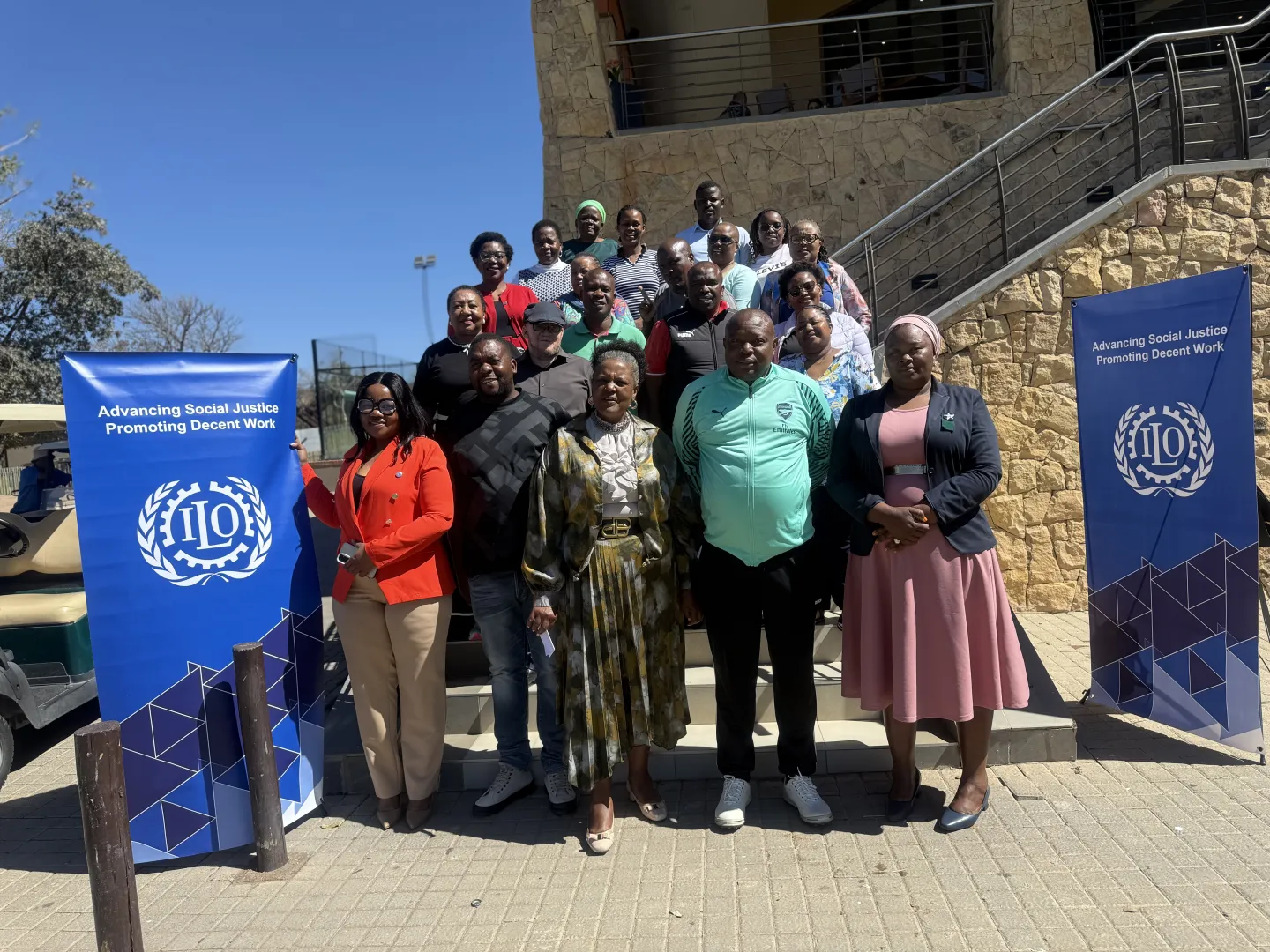
This initiative reflects the growing recognition of the need for institutional transformation at the local level and reinforces the role of empowered municipal leadership in achieving equitable and sustainable development.
The event concluded with a collective commitment by district leadership to champion gender equality, uphold inclusive governance, and advance social cohesion as part of Waterberg’s broader development agenda.
Relevant projects

Support to the formalization of small economic units and workers in the waste management value chain within the Waterberg District.