

List of light works: a crucial advancement for children's rights in Mali
5 July 2024
Bamako, Mali, July 5, 2024 - The adoption of the list of light work authorized to children aged 13 to 14 represents an important advance in the protection of the rights of children at work in Mali. This list, established by the Ministry of Labour in collaboration with social partners, benefited from the technical and financial support of the International Labour Organization (ILO) through the Accel Africa project. The list aims to provide guidance for the supervision of the types of activities that children can perform under certain strict conditions, in order to guarantee their health, safety, development, and their access to education.
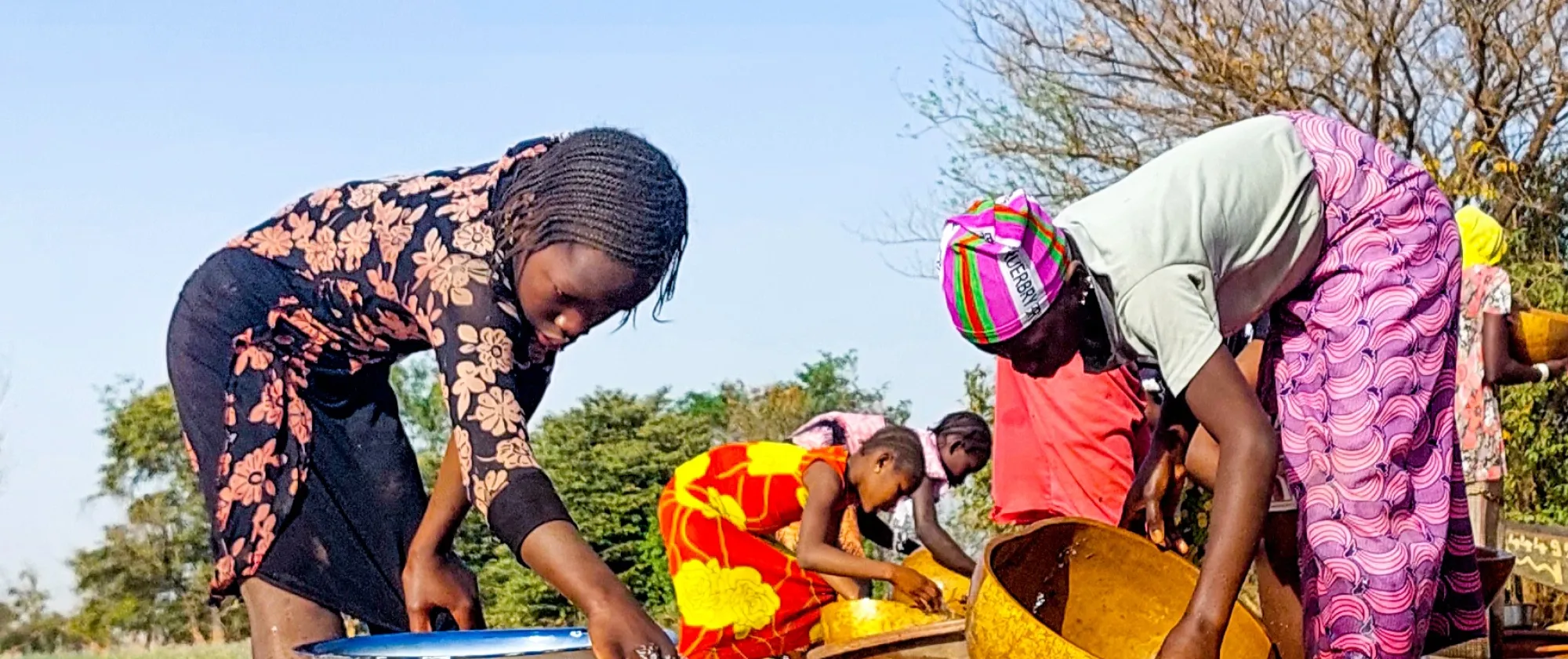
Through the adoption of this list, Mali continues to support global efforts aimed at eliminating the worst forms of child labour, while recognizing that, in certain circumstances, light work can be acceptable. Light work is defined as activities that are not dangerous for the health, safety and development of the child, and which do not interfere with their schooling. These are often domestic tasks, helping in small tasks at family shops, or small seasonal work.
The Minister of Labour, the Public Service and Social Dialogue, Mr. Fassoun Coulibaly, expressed his satisfaction following the adoption of the list of light work. “This list determines the types of activities that can be carried out by children aged 13 and 14, while ensuring their safety and well-being. The adoption of this list is an important advance for the protection of children's rights, ensuring that they are not exposed to dangerous or prejudicial tasks for their development."
In addition, the list of light works takes into account the cultural and economic realities of Mali. This is why it includes tasks such as supporting easy tasks at family farms or work in shops under adult supervision. Children authorized to carry out this work must be between 13 and 14 years old, and their working time is strictly limited so as not to disturb their education both schooling and after schooling educational activities.
The adoption of this list is also framed by national laws which are based on international conventions ratified by Mali, in particular the Convention No. 138 on the minimum age and the Convention No. 182 on the worst forms of work for children. Additionally, the list has taken into account the recommendations of the Durban Action for Action. These legal instruments aim to eradicate any dangerous form of work for children, while allowing a legislative framework for activities considered to be light.
However, the effective application of the list of light work pose an important challenge. It is crucial to ensure that children are neither exploited nor forced to work, which requires a rigorous labour inspection, awareness of parents and employers, as well as active involvement of local communities. In addition, the authorities are responsible for ensuring that all children have access to quality education, thereby reducing the need or the desire to work.
To overcome this challenge, several concrete actions can be implemented. The capacity building of labour inspectors will allow better monitoring and application of the rules. The implementation of targeted awareness programs for parents and employers will promote an in-depth understanding of children's rights and alternatives to the work of minors. Finally, community initiatives, such as local children's protection committees, will be able to play a key role in the monitoring and promotion of education. By investing in education and by creating opportunities for families, the need to make children work naturally, thus contributing to increased respect for minors' work standards.
In conclusion, the adoption of the list of light work for children is a crucial measure to balance the protection of children's rights with the socio-economic realities of certain families. Although the list allows a certain degree of work, it imposes clear limits to ensure that children can grow and develop in a healthy and safe environment. The ultimate objective remains to allow each child to benefit from a full education and not to be forced to work before the appropriate age.
Relevant projects
Feasibility study and design of an impact bond to reduce child labour in Côte d’Ivoire