Life after the ILO: What do beneficiaries do after projects end?
30 October 2024
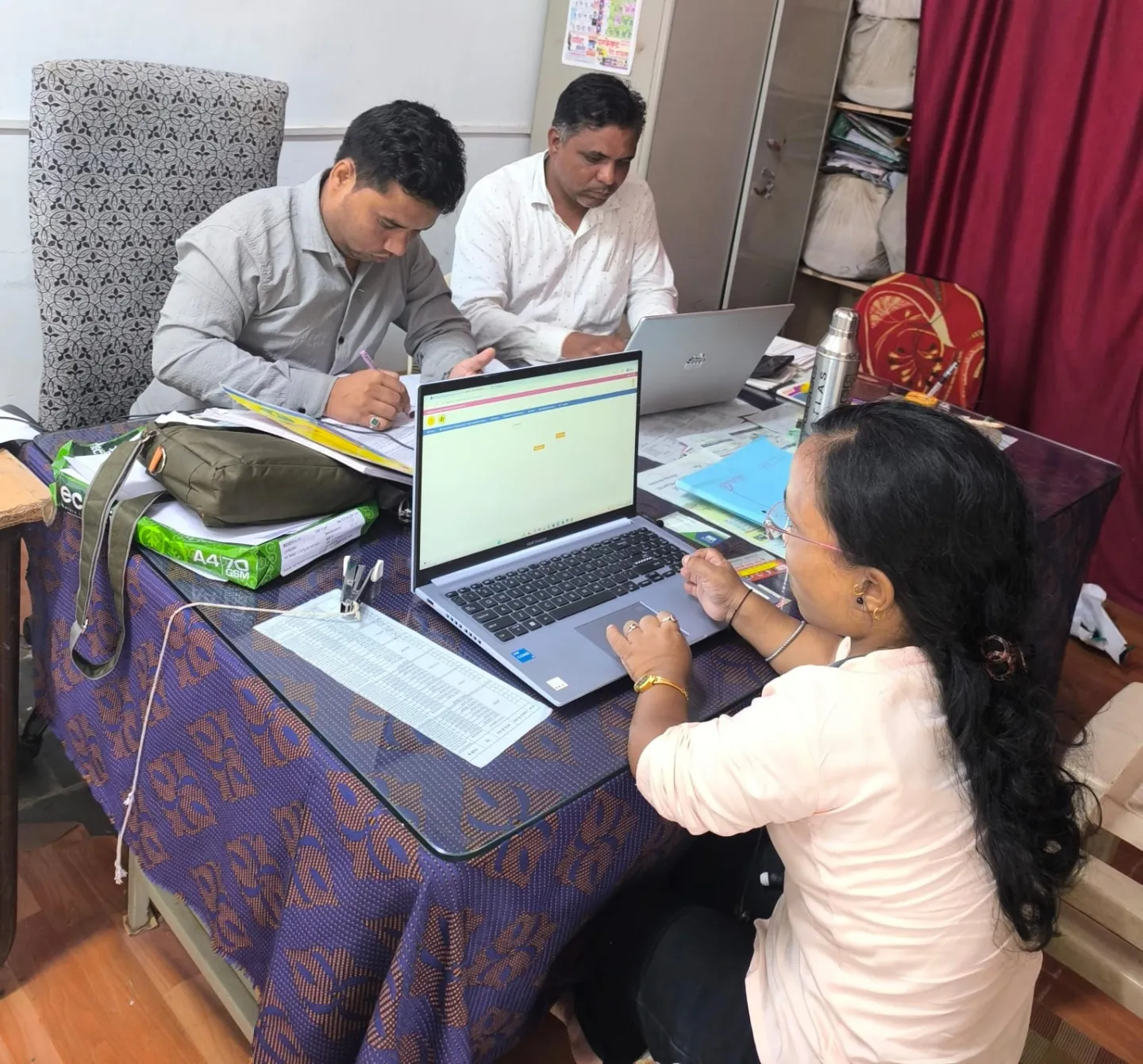
Washim, INDIA (ILO News): Setting International Labour Standards, extending technical support to constituents, and practically implementing projects that advance the decent work agenda is how the ILO furthers its mandate of social justice. Projects enable last-mile linkage of existing benefits or for innovative interventions to plug in gaps that can be self-sustained by the constituents and communities.
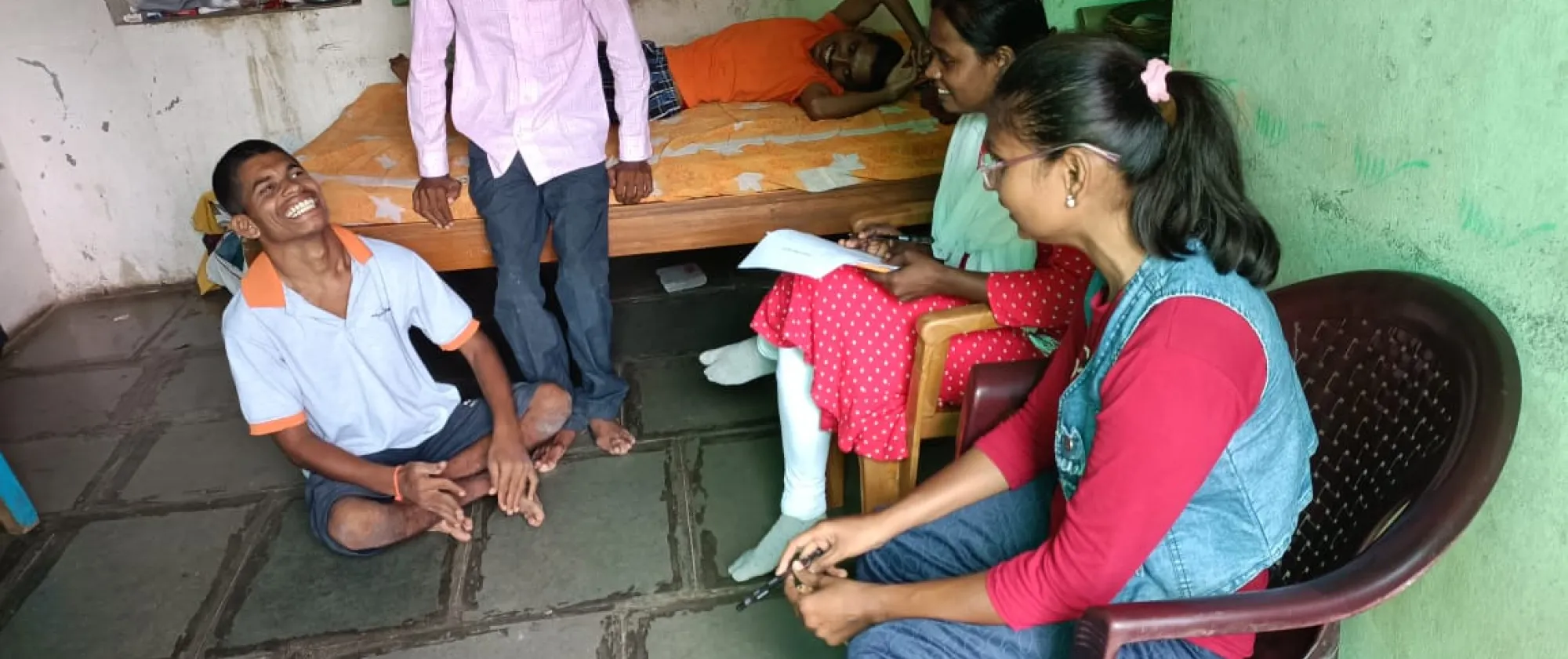
To mainstream disability inclusion in the rural context, ILO implemented the IFAD-funded SPARK project, which adopted the approach of creating Disability Inclusion Facilitators (DIFs) to improve the visibility around and increase sensitization towards disability. MAVIM is a registered corporation under the Women and Child Development Department, working across 36 districts of Maharashtra. One of the projects they are implementing is the IFAD-funded NavTejaswini project for women’s economic empowerment, aiming at 1 million poor rural households and the disability inclusion component is being undertaken by the SPARK project.
After the project concludes, what does the future hold for the DIFs?
Reshma Naurangabadi was working as DIF with the SPARK project, which was her first foray in working on a community development, where she learnt disability inclusion approaches, tools and communication.
Within a fortnight of the project concluding, MAVIM has engaged Reshma as Sahayogini. Her her role requires mobilizing women from the poor socio-economic backgrounds to form Self-Help Groups. Given her experience with the project, she is mindful of including women with disabilities and caregivers of persons with disabilities in the new groups she is forming in the villages.
Women with disabilities are hesitant to join the Self-Help Groups, as they lack confidence and the complete information about the functioning of a group. I explain each and every step about the group and also encourage them to start thinking from where they can save money. As a result of my counselling, now women with disabilities are joining the groups.
Reshma’s inclusion within the folds of MAVIM is a win-win situation. Working with the organization during the project has allowed her to understand its functioning while improving her communication and mobilization skills, that have enabled her to take more initiative in her role. She is well versed with the barriers and challenges faced by the persons with disabilities and gives priority to include them in the SHG groups, even if it requires counselling of family members and SHG members.
“I like working as Sahayogini, as I continue to engage with the community and understand their challenges and get an opportunity to positively influence the lives of women and women with disabilities through financial inclusion,” she says.
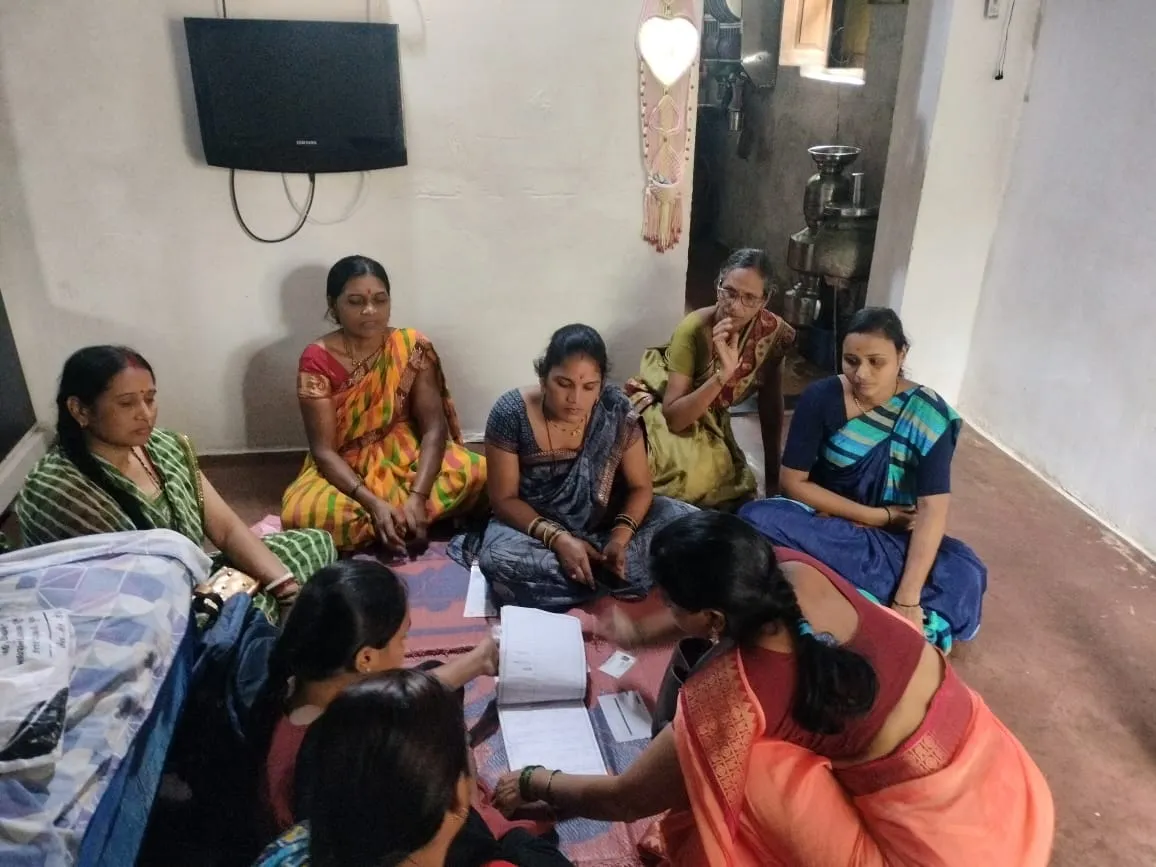
She credits her experience of working with the ILO’s project to her confidence in talking to women and the capabilities of women with disabilities, and for counselling them to join the SHGs. She also supports other Sahayoginis, by writing meeting minutes, maintaining accounts of money collection and loans given to the members. She ensures that the group saves and holds meetings regularly and supports them in preparation of the documents to access loan from the bank.
Being a person with disability herself, she continues to support persons with disabilities to apply for Disability Certificate and UDID cards. As a Sahayogini, she is working in a new geography, but she still receives requests from the other villages to support them in filling the Disability Certificate and UDID application.
With a spark in her eyes, Reshma says, “While working as Sahayogini, I continue to support persons with disabilities in new villages and virtually extend support to persons from my SPARK villages to fill in application and track the status of their application. This gives me immense satisfaction. I am grateful to god that I am still employed after the SPARK Project."
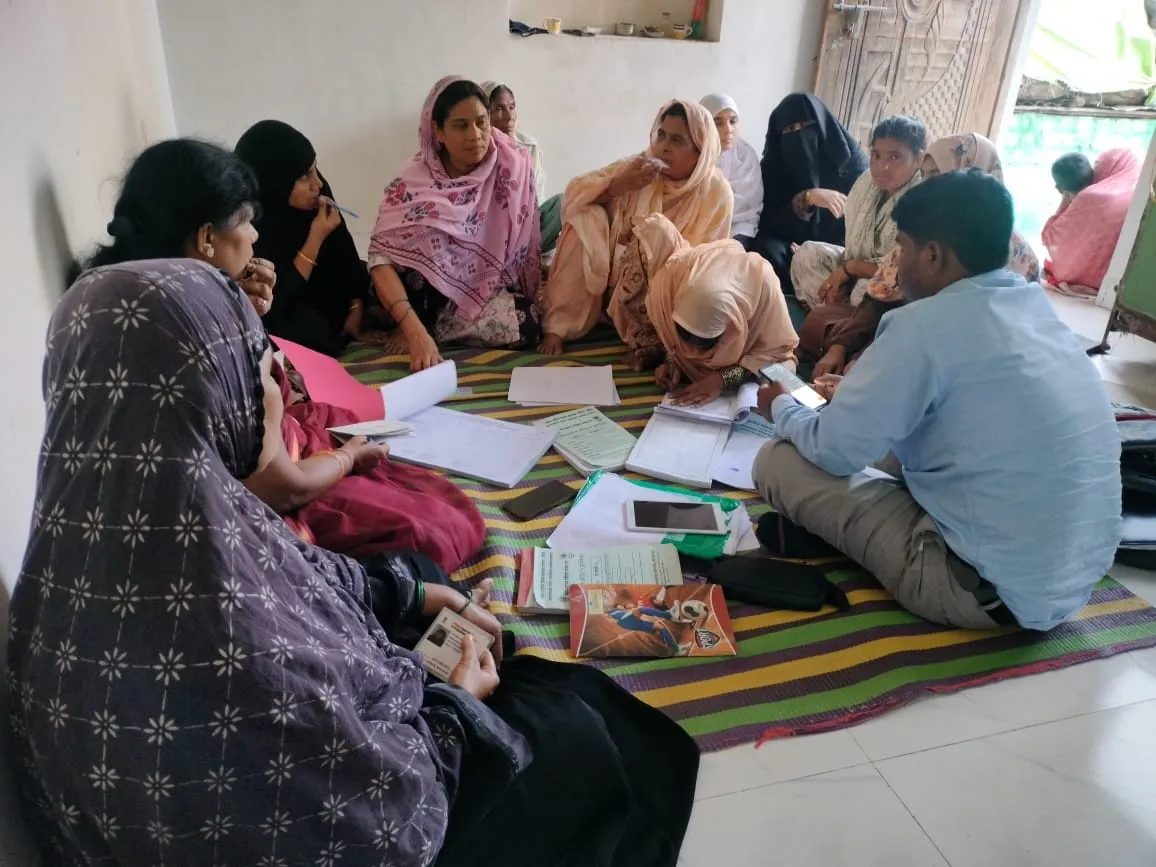
Komal Muthal, after her experience with the SPARK project, joined a local rights-based organization Anulom as a Communicator. She is responsible for promoting newly launched government schemes in the community such as, Ladali Bahin, (Beloved Sister) Ladala Bhaiya (Beloved Brother). The schemes provide INR 1500 every month to people between 21-55 years, including to persons with disabilities. The project oriented her to put persons with disability first. With Anulom, she extends support to persons with disabilities and the general community to ensure they receive the benefit of these social protection schemes. She also promotes other governmental schemes by mobilizing the community and holding interactive sessions with them.
Komal was selected for the role with Anulom role given her experience of community mobilization, rapport building, communication skills and real time data management, that she learned through the ILO project. She enjoys her new job, continues to support the persons with disabilities and her bond with the people is growing stronger, as she explains about each scheme in detail. She says, because of the experience she gained at SPARK, she confidently explains each step of the scheme to the people.
Komal says, like the SPARK project, this work is giving her satisfaction, as she is meeting people with real problems and need, across 75 villages in Washim Block.
This work gives me satisfaction as I get to connect with people facing real problems and try and solve them while also learning about strategic planning to reach the most marginalized.
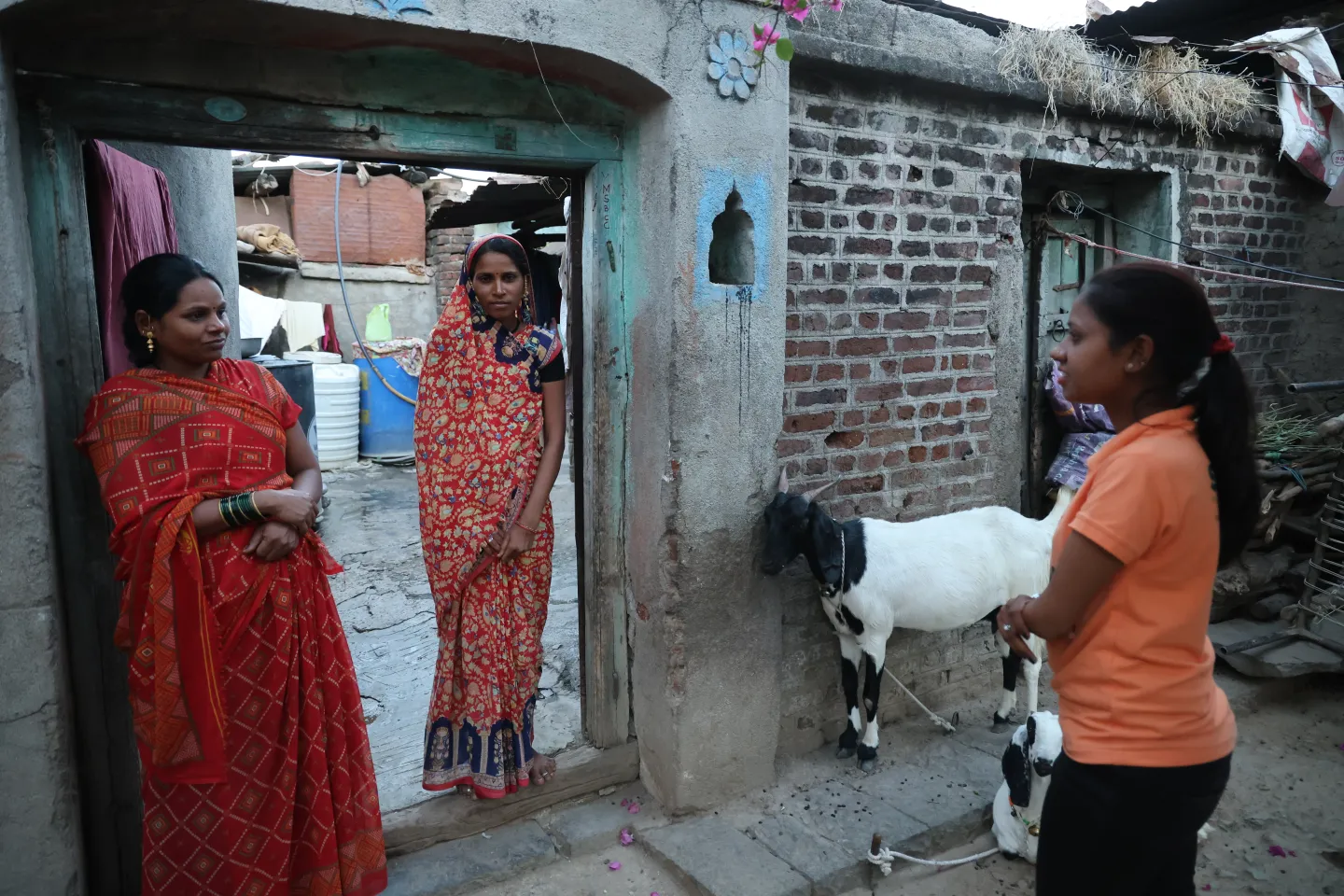
Nasim Raju Manjare has started working as an intern under the Commissionerate of Skill Development, Employment and Entrepreneurship. The Maharashtra state government has announced various vacancies at the district level for the youth, where they are working with various departments to learn the skills under the “Mukyamantri Yuva Karya Prashikan Yojana”. She joined on 21 August 2024 and is being paid INR 10,000 per month from the skill development department of the government. It’s a six-month programme.
SPARK gave me the opportunity to work with the community and learn about the various schemes; I still support people in my area to apply for welfare schemes. This is new work, I am learning accounting, and once I master the skill, I will get a job in the government department.
Naseem already had knowledge of Tally software and under the mentorship of Accounts Assistant of MAVIM, she is learning these new skills.