

Labour Attachés Build a Common Front for Migrant Worker Protection
Strengthening labour attachés’ and consular officials’ capacity to protect migrant workers, improve access to remedies and enhance coordination across East Africa and GCC migration corridors.
30 September 2026
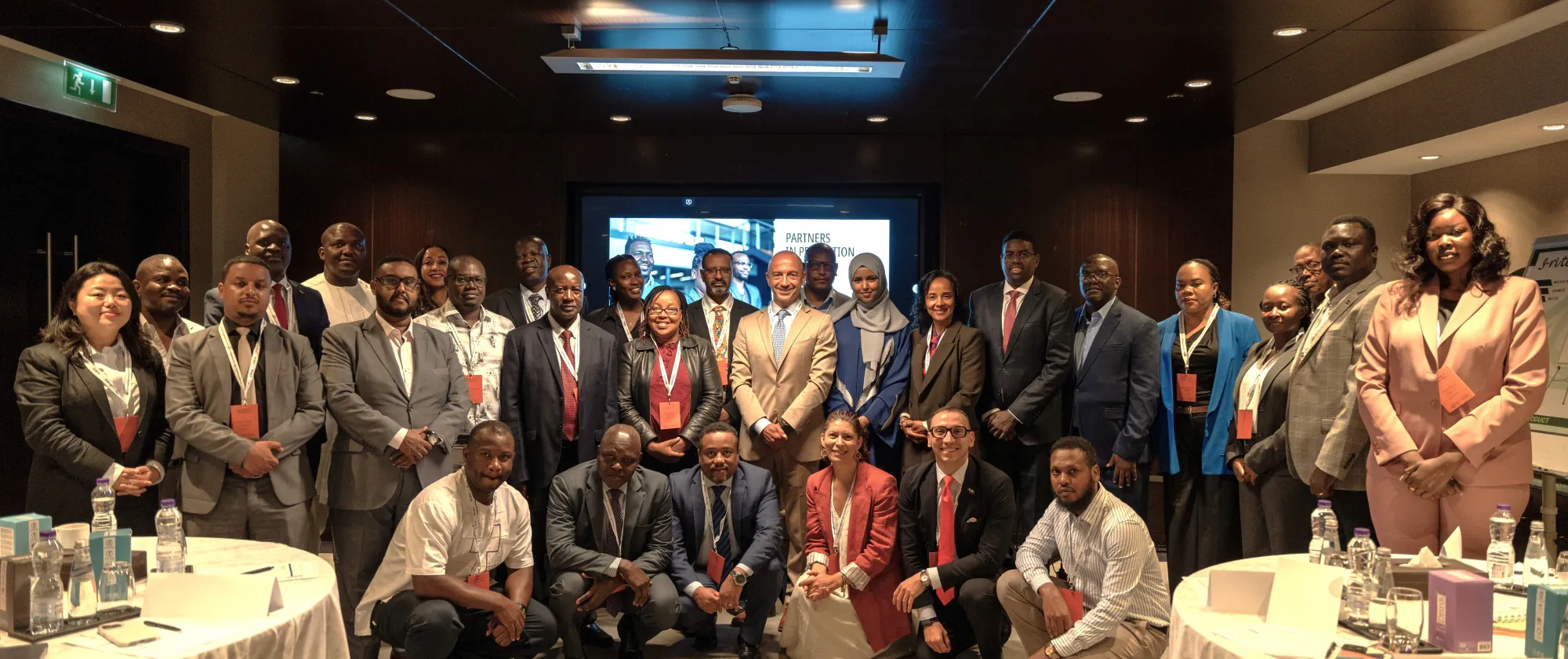
Doha (ILO News) - Labour attachés, consular officials and government representatives from six East and Horn of Africa countries have strengthened their capacity to protect migrant workers and promote access to decent work and effective remedies through a regional training programme held in Doha, Qatar, from 6 to 10 September 2026. Organized by the International Training Centre of the ILO (ITCILO) in partnership with the ILO under the UK FCDO-funded Better Regional Migration Management (BRMM) Programme, the five-day programme brought together officials from Ethiopia, Kenya, Somalia, South Sudan, Tanzania, and Uganda. The training focused on strengthening institutional responses to forced labour, discrimination, and other violations of migrant workers’ rights, and improving access to protection and remedies for workers throughout the migration cycle.
Every year, a significant number of workers from the East and Horn of Africa migrate to Gulf Cooperation Council countries in search of employment opportunities and improved livelihoods. Migration can bring real, important benefits for workers, their families and countries of origin and destination. However, workers along these migration corridors continue to face risks, including recruitment-related debt, contract substitution, wage withholding, confiscation of identity documents, and barriers to effective access to justice. Women migrant workers, particularly those employed in domestic work and other isolated sectors, can face heightened risks of exploitation, abuse and discrimination. Labour attachés and consular officials play a critical role in responding to these challenges. They are often among the first institutional point of contact for migrant workers seeking assistance, receiving complaints, facilitating referrals, supporting wage recovery, and coordinating with authorities and service providers in destination countries. Yet many operate with limited resources and significant caseloads, underscoring the need for stronger coordination, practical tools and regional cooperation.
Grounded in the ITCILO Turin Learning Approach, the training combined technical sessions on international labour standards with practical case studies, simulation exercises, peer learning, and action planning. Participants examined practical approaches to case management, referral, and inter-agency coordination, with a particular focus on ensuring that migrant workers can access appropriate protection and remedies when their rights are violated. The programme also provided an opportunity to operationalize the Consular and Labour Attachés Collaboration Modalities, a voluntary framework endorsed by the Regional Ministerial Forum on Migration. The framework seeks to strengthen collaboration among labour attachés and consular officials and facilitate support to migrant workers, including in destination countries where individual countries of origin have limited diplomatic or institutional representation.
By bringing officials from different countries together, the training also created space to exchange experiences, identify common challenges and explore practical approaches that can be adapted across migration corridors. The Doha training is the beginning of a longer learning and collaboration process. It will be followed by a three-month online coaching phase, including group sessions designed to support participants as they apply the knowledge and tools acquired during the training to their day-to-day work. The process aims to strengthen a sustainable regional community of practice among labour attachés, consular officials and government institutions, helping countries to share experiences, strengthen referral and coordination mechanisms, and provide more effective support to migrant workers throughout the migration cycle. By strengthening the capacity and cooperation of the officials who are often closest to migrant workers in destination countries, the initiative contributes to a more coordinated, rights-based approach to labour migration and to advancing decent work for migrant workers across the East Africa–GCC migration corridors.
Relevant projects

East and Horn of Africa
Better Regional Migration Management