

Prospects
Key stakeholders unite to shape Uganda’s digital workforce future
The first Community of Practice workshop in Kampala brought stakeholders together to advance decent work, address digital economy challenges, and shape inclusive policies for Uganda’s growing digital workforce.
5 November 2024
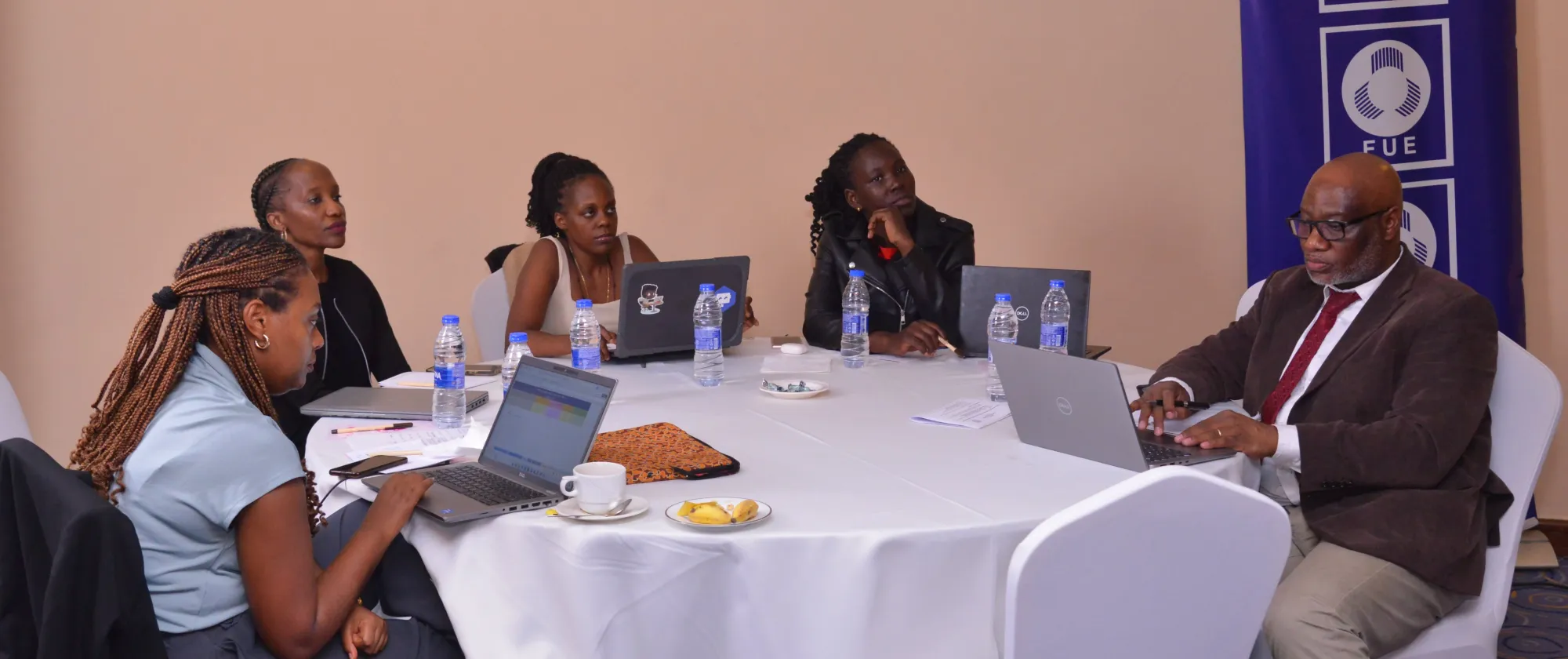
Kampala, UGANDA (ILO News) – Representatives from government, enterprises, academia, and civil society gathered in Kampala for a landmark workshop under the theme “Building a Future of Fair and Inclusive Digital Work in Uganda.” Organized by the Federation of Uganda Employers (FUE) in partnership with the International Labour Organization (ILO), the event represented a significant milestone for the “Community of practice” (COP), a platform dedicated to fostering dialogue and advocating for equitable policies in Uganda's burgeoning digital economy.
The workshop brought together representatives from government agencies, private sector entities, academia, and civil society to address the challenges and opportunities in creating an inclusive digital economy. Participants discussed critical issues such as high internet costs, skills shortages, and barriers to digital access for rural and underserved communities.
Dan Okanya, Head of Policy and Research at FUE, emphasized the CoP’s mission:
“Our mission is to create a platform that bridges the gap between policy and practice in the digital economy, ensuring that all Ugandans, including those in rural and underserved areas, can benefit from fair and dignified work in this emerging sector.”
CoP: A community of practice to facilitate dialogue
The CoP, launched in May 2024, has already made significant strides. A rapid survey conducted earlier this year identified key barriers to equitable participation in the digital economy, including infrastructure gaps, gender disparities, and the need for higher-value digital skills.
Building on these insights, the Kampala workshop provided a platform for dynamic discussions, featuring a panel of experts from the Ministry of Gender, Labour, and Social Development (MGLSD), National Information Technology Authority - Uganda (NITA-U), Uganda Communications Commission (UCC), and private sector organizations such as Tunga and StartHub Africa.
Key recommendations from the workshop included:
- Reducing internet costs to improve digital access.
- Investing in digital skills training and infrastructure, particularly in rural areas.
- Promoting gender equity and inclusion of persons with disabilities in digital work opportunities.
- Establishing fair wage regulations and protections for digital workers.
Looking Ahead
The workshop also set the operational framework for the CoP, identifying priorities and securing commitments for sustained collaboration. Moving forward, the CoP will focus on:
- Advocating for inclusive digital growth and decent work in the platform economy.
- Driving policy reforms to reduce internet costs and expand digital infrastructure.
- Hosting additional workshops and forums to strengthen multi-stakeholder engagement.
Evans Lwanga, Chief Technical Advisor for the ILO PROSPECTS programme in Uganda, highlighted the urgency of these efforts:
“The world of work is undergoing a rapid technological transformation, reshaping traditional ways of working. Now is a critical time for Uganda to initiate dialogue on harnessing the benefits of the digital economy while ensuring the protection and rights of digital workers.”
Recognizing Contributions
The success of the CoP so far is attributed to collaborative efforts among diverse stakeholders. The ILO has provided technical expertise, while FUE has spearheaded policy advocacy. Contributions from government bodies, private sector entities, and civil society have been instrumental in shaping the CoP’s agenda.
As Uganda's digital economy evolves, the CoP remains committed to ensuring it becomes an inclusive, resilient, and dignified source of livelihoods for all Ugandans, especially marginalized and vulnerable groups.
Relevant projects
ILO-Netherlands Partnership
Partnership for improving prospects for forcibly displaced persons and host communities (PROSPECTS) in Uganda
Promotion, inclusion and protection of refugees and host communities in the digital and gig economy
Programme
Partnership for improving prospects for forcibly displaced persons and host communities (PROSPECTS)

PROSPECTS Opportunity Fund project
Advancing Young People’s Engagement and Meaningful Participation in the PROSPECTS Partnership