

Kericho coffee farmers put WIND safety improvements into action
Coffee farmers in Kericho County are applying practical, low-cost solutions to improve occupational safety and health on their farms while reducing risks for workers and children. The initiative is supported by the ILO’s ACCEL Africa project, financed by the Ministry of Foreign Affairs of the Netherlands.
14 August 2026
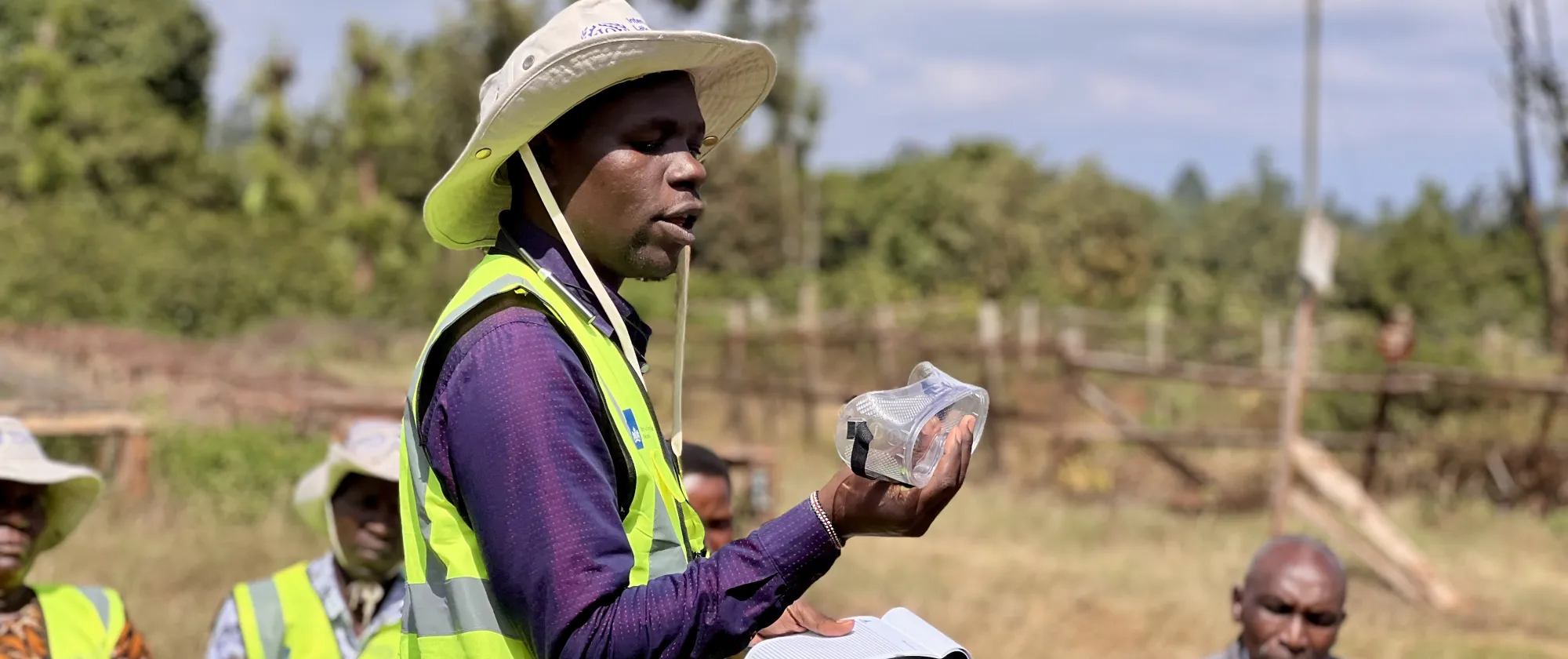
KERICHO, KENYA (ILO News) – Coffee farmers in Kericho County are putting occupational safety and health into practice by introducing simple, low-cost improvements to make their farms safer for workers and their families. During follow-up visits conducted in August 2026, the ILO, through the ACCEL Africa project, documented how farmers trained in the Work Improvement in Neighbourhood Development (WIND) methodology are applying safer harvesting practices, improving the storage of agrochemicals and farm tools, and reducing exposure to workplace hazards.
The follow-up visits formed part of a broader capacity-building process initiated through a WIND Training of Trainers held in Kisumu in November 2025 for participants from Kericho and Kisii counties. Building on the knowledge and skills acquired during the ToT, the trained facilitators organized roll-out training sessions for farmers in April 2026. These sessions aimed not only to strengthen farmers’ knowledge of OSH, but also to support them in identifying risks in their workplaces and work practices and in developing practical improvements. Approximately three months after the training, the follow-up visits assessed how farmers were putting the lessons learned into practice.
During the visit, it could be assessed that farmers are translating their capacity into practical, affordable improvements to protect their health and safety at work. These included constructing ladders for safer coffee harvesting, establishing designated storage areas for agrochemicals and farm tools, and making more appropriate use of personal protective equipment (PPE) when carrying out hazardous tasks. These measures reflected a core principle of WIND: enabling farmers to identify workplace risks and develop practical solutions using locally available resources.
One notable improvement was the safer storage of agrochemicals and farm tools. Recognizing the risks that improperly stored chemicals and equipment can pose to workers and family members, particularly children, farmers took practical steps to create designated and secure storage areas. As one farmer explained:
Before the training, we kept some of our chemicals and farm tools wherever there was available space. I realized this could expose my family, especially children, to unnecessary risks. I have now set aside a specific place where chemicals and tools are stored safely, and I make sure I use protective equipment when handling chemicals.
Esther Langat, coffee farmer
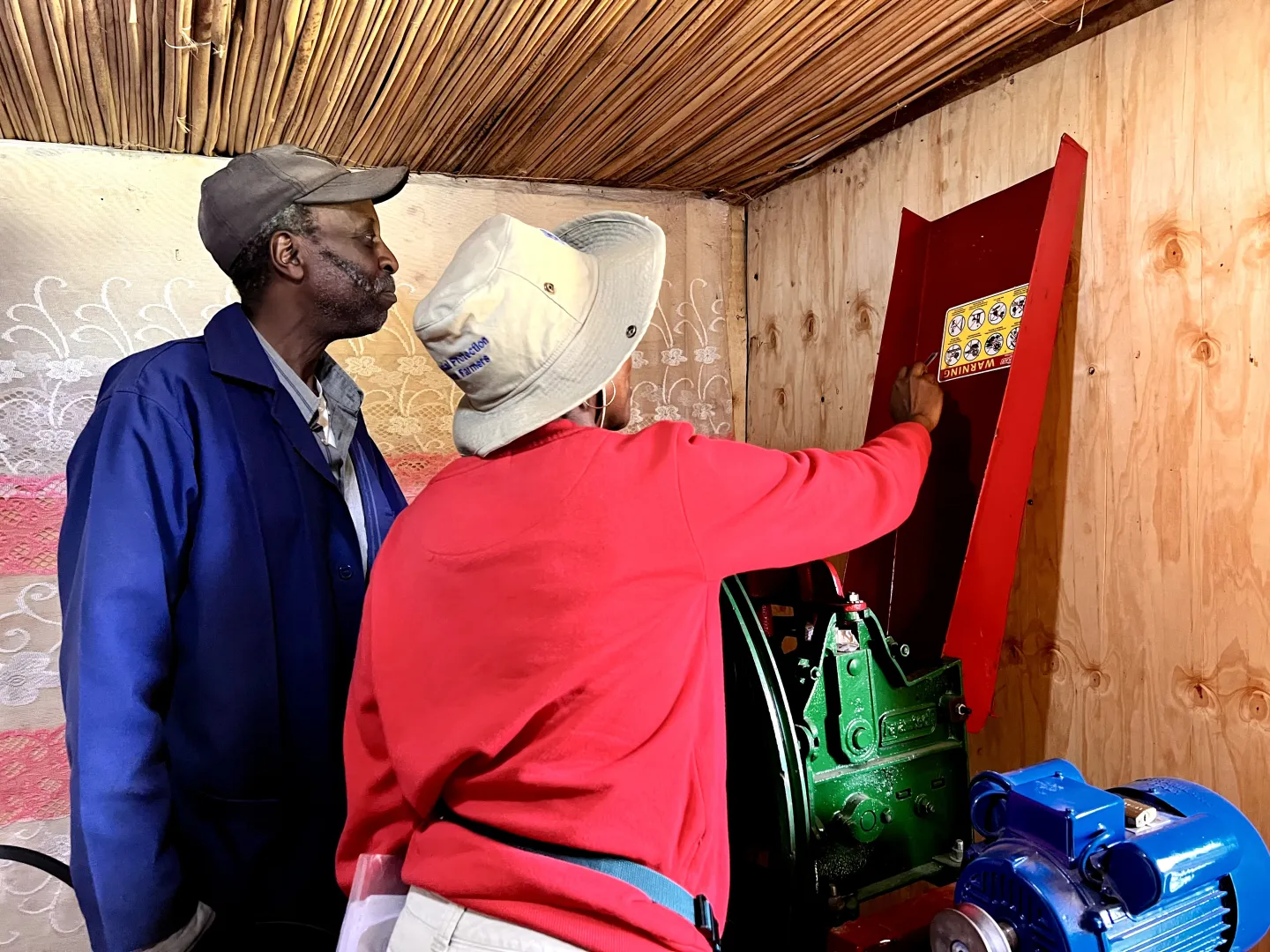
Farmers also introduced practical improvements to make agricultural machinery safer to operate. One farmer modified a chaff cutter by installing a protective guard that maintains a safe distance between workers' hands and the machine's moving and sharp components, thereby reducing the risk of serious injuries.
The importance of this improvement was underscored by a recent accident in the village, in which a woman farmer lost three fingers while operating a similar machine. Recalling the incident, the farmer explained: “We had an accident in the village where a woman farmer lost three fingers while feeding the chaff cutter about two months ago.” Drawing on the WIND training, he introduced a simple and affordable protective guard to reduce the risk of a similar accident on his farm, demonstrating how practical preventive measures can help address serious workplace hazards.
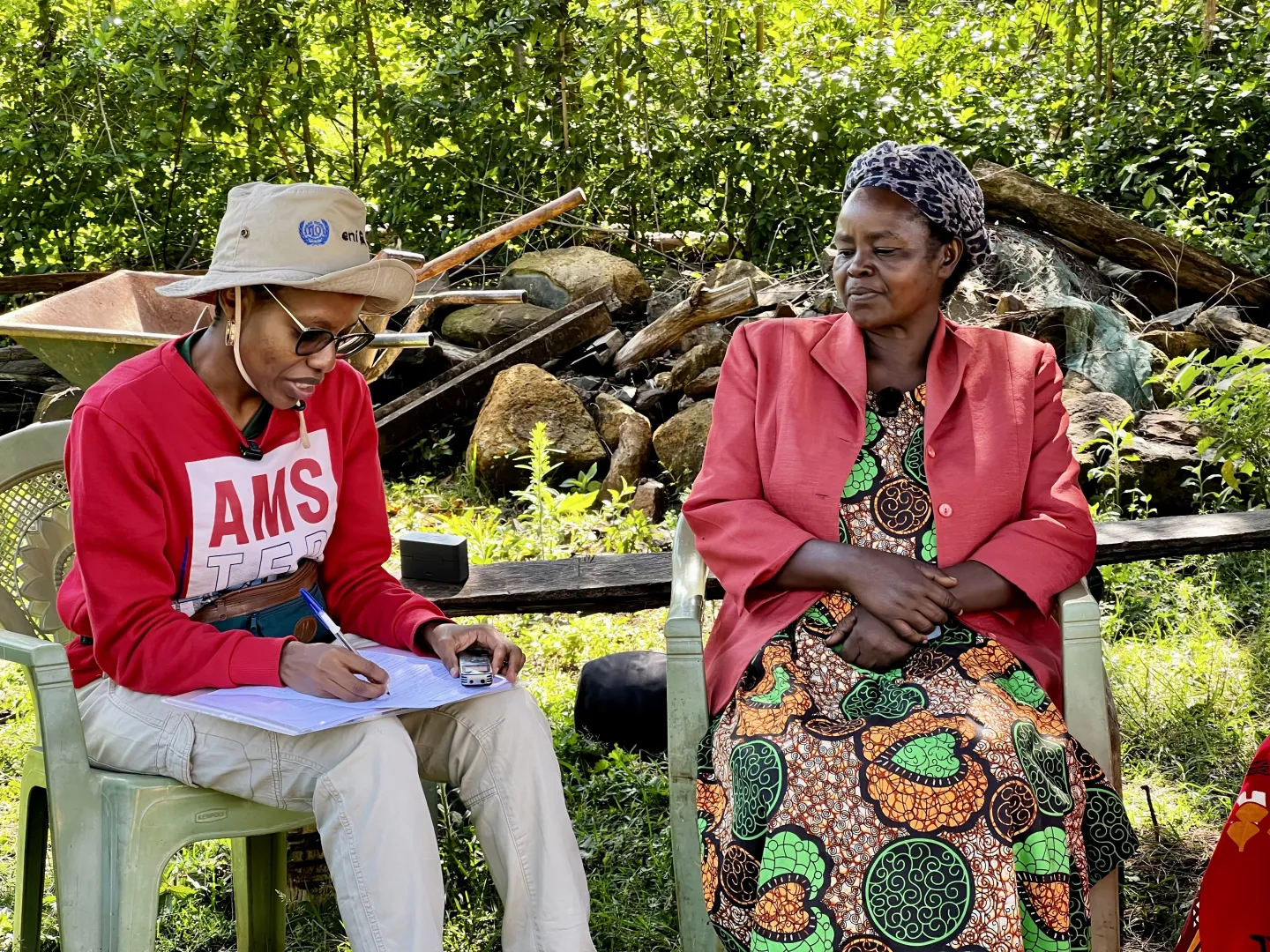
These experiences demonstrate a key strength of the WIND methodology: empowering farmers to identify workplace hazards and implement practical, low-cost solutions using local knowledge and available resources.
I decided to construct a ladder, which has made harvesting safer and easier while reducing damage to my coffee trees. The training has taught me to identify risks in my daily work and find simple, practical ways to address them.
Elizabeth Rop, coffee farmer
The follow-up visits reinforced this approach by enabling project staff to observe improvements, discuss challenges with farmers and provide additional technical guidance. Some measures, particularly the safe storage of agrochemicals and farm tools, also help protect children from exposure to hazardous substances and equipment, contributing to ACCEL Africa’s broader efforts to improve working conditions and prevent child labour.
The Kericho experience demonstrated WIND moving from training to practice. By constructing safer harvesting equipment, improving the storage of chemicals and tools, and using PPE, farmers showed that meaningful OSH improvements can be achieved through simple, locally driven action.
Relevant projects
Accelerating action for the elimination of child labour in supply chains in Africa (ACCEL Africa)