

Iraq draws on South Africa’s Public Works experience to advance national employment programme
A high-level Iraqi delegation concluded a study visit to South Africa to draw lessons from the country’s Expanded Public Works Programme (EPWP) in support of Iraq’s proposed National Public Works Programme. Organized by the ILO under the EU-funded BEIT project, the visit focused on employment-intensive approaches, institutional systems, skills development and inclusive job creation to inform Iraq’s roadmap for generating decent work and delivering essential infrastructure.
10 February 2026
Pretoria, South Africa (9–13 February 2026) – A high-level delegation from the Government of Iraq has concluded a five-day study visit to South Africa aimed at strengthening national capacities to design and implement Iraq’s proposed National Public Works Programme (NPWP). The visit was organized by the International Labour Organization (ILO) under the European Union-funded Building Equitable and Inclusive Transformation (BEIT) project, implemented in partnership with UN-Habitat and the International Trade Centre.
Through BEIT, the ILO supports improved alignment of national policies with international labour standards and promotes employment-intensive, local resource-based approaches in the construction sector. The study visit forms part of ILO technical assistance to Iraq in developing a Road Map Process and Governance Framework for the NPWP, a priority under Iraq’s National Development Plan 2024–2028.
The delegation included Director-Generals and senior officials from key ministries, including Planning; Labour and Social Affairs; Construction, Housing, Municipalities and Public Works; Water Resources; and Agriculture. The delegation was headed by Mr. Ali Abdulrahman Younis Al-Noori, Advisor to the Minister of Labour and Social Affairs, and accompanied by the ILO BEIT project team.
The programme opened at the ILO Office in Pretoria, where ILO Country Director Mr. Alexio Musindo emphasized the value of South–South cooperation in promoting employment-intensive investments that generate jobs while delivering essential infrastructure and services.
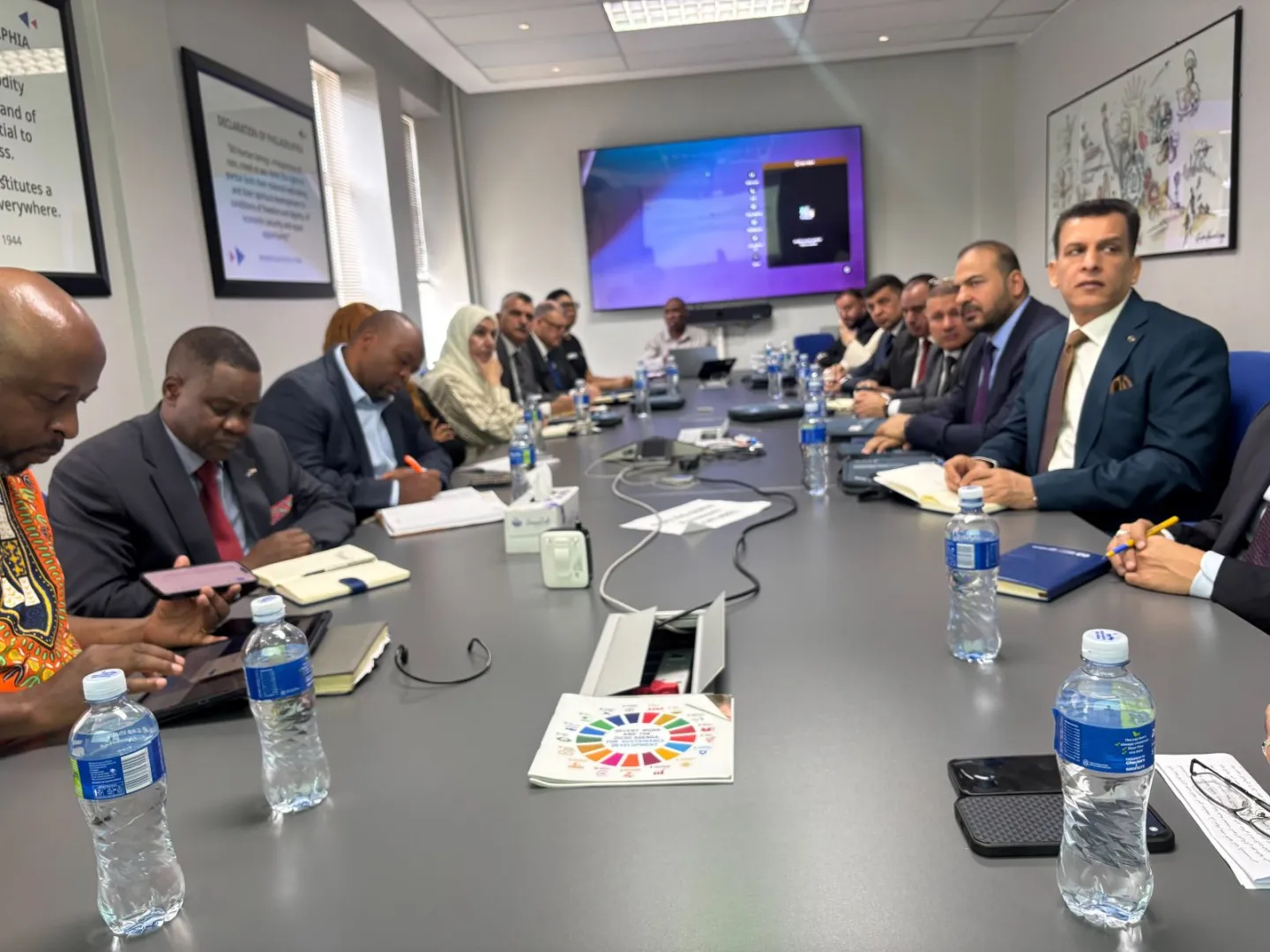
During the visit, the delegation engaged with counterparts from South Africa’s Expanded Public Works Programme (EPWP), a flagship initiative with more than two decades of experience combining temporary employment with skills development across infrastructure, environmental services, social services and the care economy. The delegation attended a knowledge-sharing workshop chaired by Ms. Carmen-Joy Abrahams, Deputy Director-General of EPWP. Discussions with senior officials from the Department of Public Works and Infrastructure provided detailed insights into EPWP institutional arrangements, digital monitoring systems, reporting mechanisms, internal controls and reform processes. Particular attention was given to training models, exit strategies and approaches that support participants’ transition into the labour market.
The delegation also explored how micro, small and medium enterprises (MSMEs) are integrated into the EPWP ecosystem, contributing to enterprise development and local economic growth.
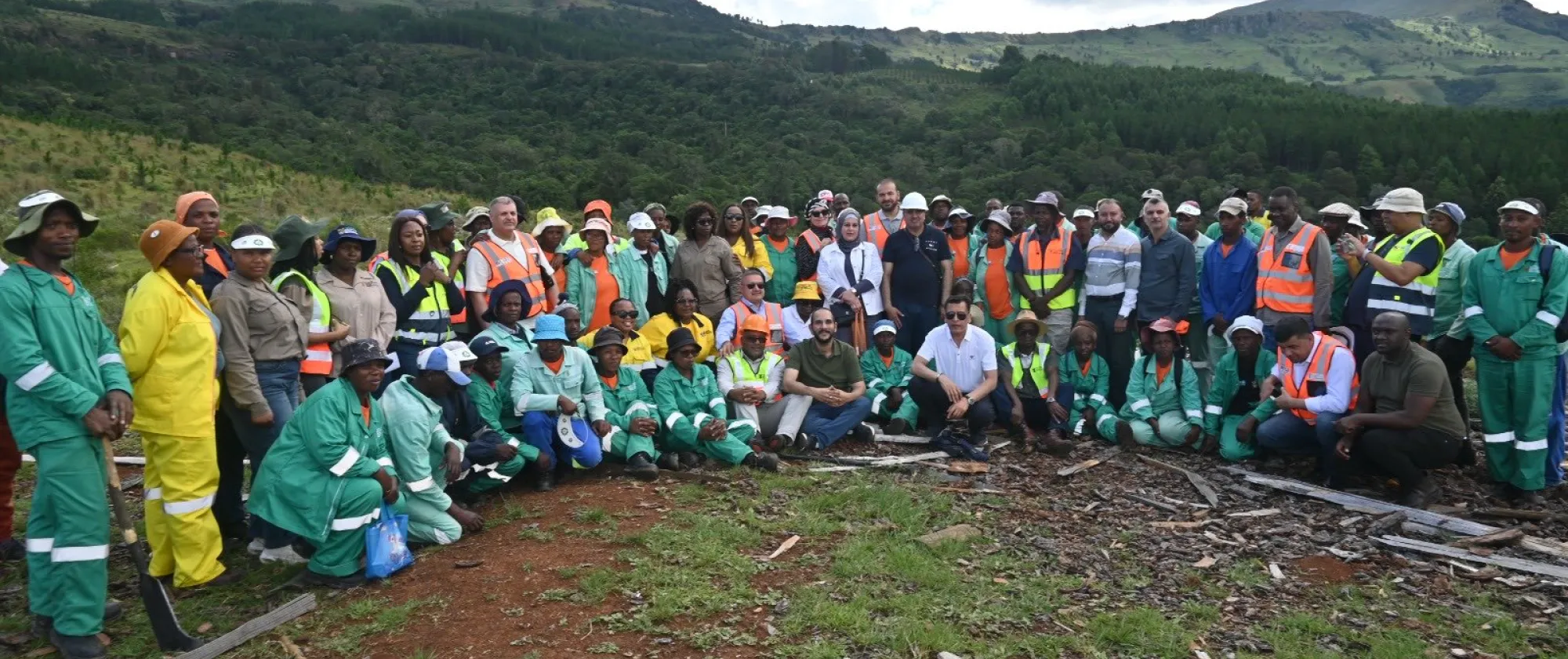
Field visits in Gauteng Province enabled participants to observe labour-intensive road rehabilitation works and affordable housing projects. In the Eastern Cape Province, the delegation visited afforestation initiatives in Mnyameni Forest, the Siseko Artisan Development Project in East London and community-based road maintenance in Dimbaza. These visits demonstrated how public works programmes can simultaneously address unemployment, build community assets and enhance employability.
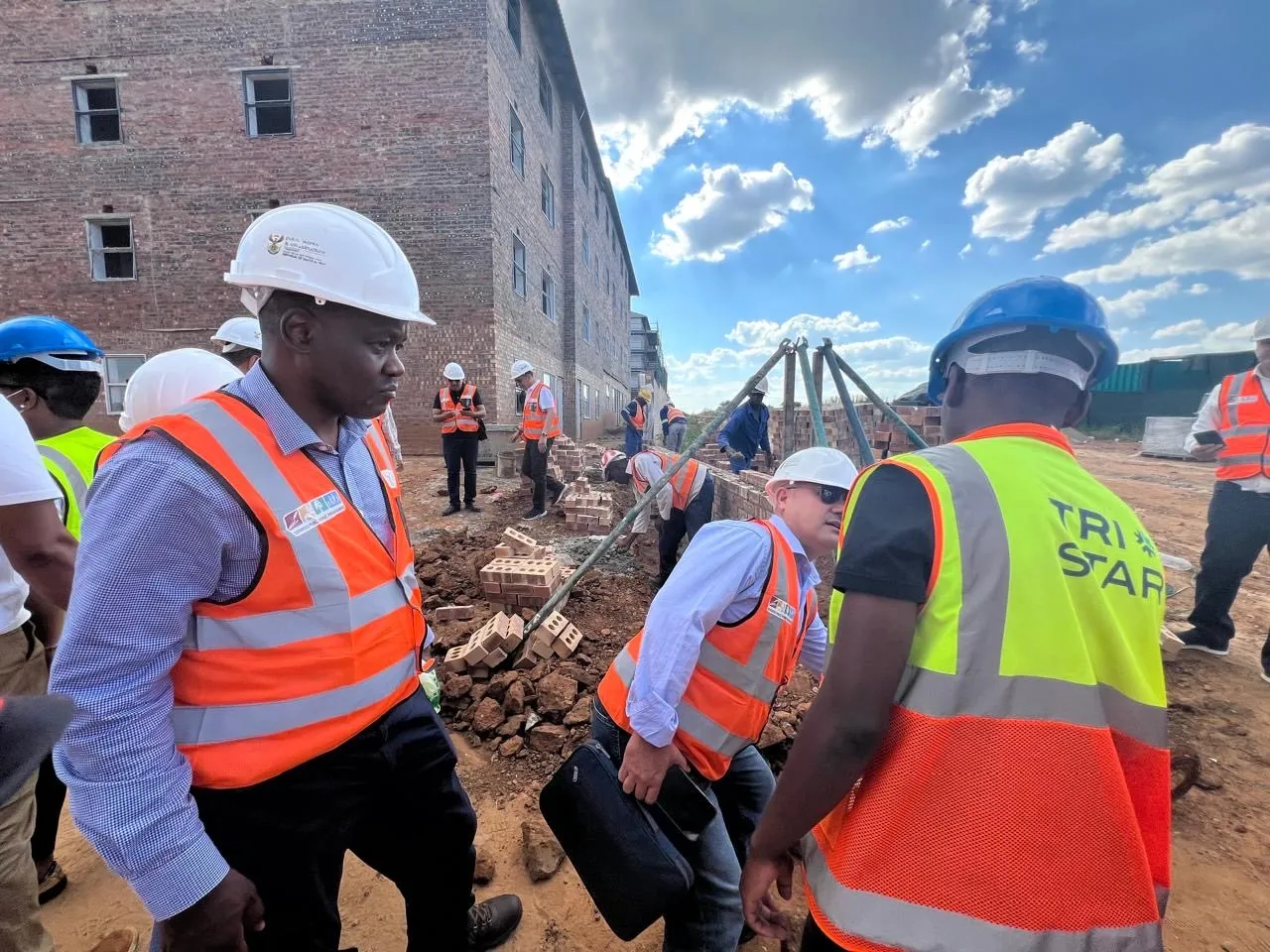
The mission highlighted the importance of decent work standards, occupational safety and health measures, effective beneficiary targeting and inclusive participation of women, youth and persons with disabilities. Digital reporting systems, compliance mechanisms and partnerships supporting skills development and enterprise creation were also examined.
The visit concluded with a lessons-learned session to identify elements of the EPWP experience that could inform Iraq’s NPWP design. A consolidated mission report will be prepared to guide the NPWP Steering Committee and Technical Working Group in advancing evidence-based policy and technical decisions.
By fostering South–South knowledge exchange, the ILO continues to promote practical pathways for employment creation and social protection as Iraq moves toward establishing a National Public Works Programme aimed at generating decent work and delivering essential infrastructure for vulnerable communities.