


Spotlight Interviews with Co-operators
Interview with Richard Warner, Coordinator and CEO of Nundah Community Enterprises Cooperative in Australia
“Spotlight Interviews with Co-operators” is a series of interviews with co-operators and social and solidarity economy (SSE) actors from around the world with whom ILO officials have crossed paths during the course of their work on the cooperative, social and solidarity economy portfolio. On this occasion, the ILO interviewed Richard Warner, Coordinator and CEO of Nundah Community Enterprises Cooperative in Australia.
20 November 2025
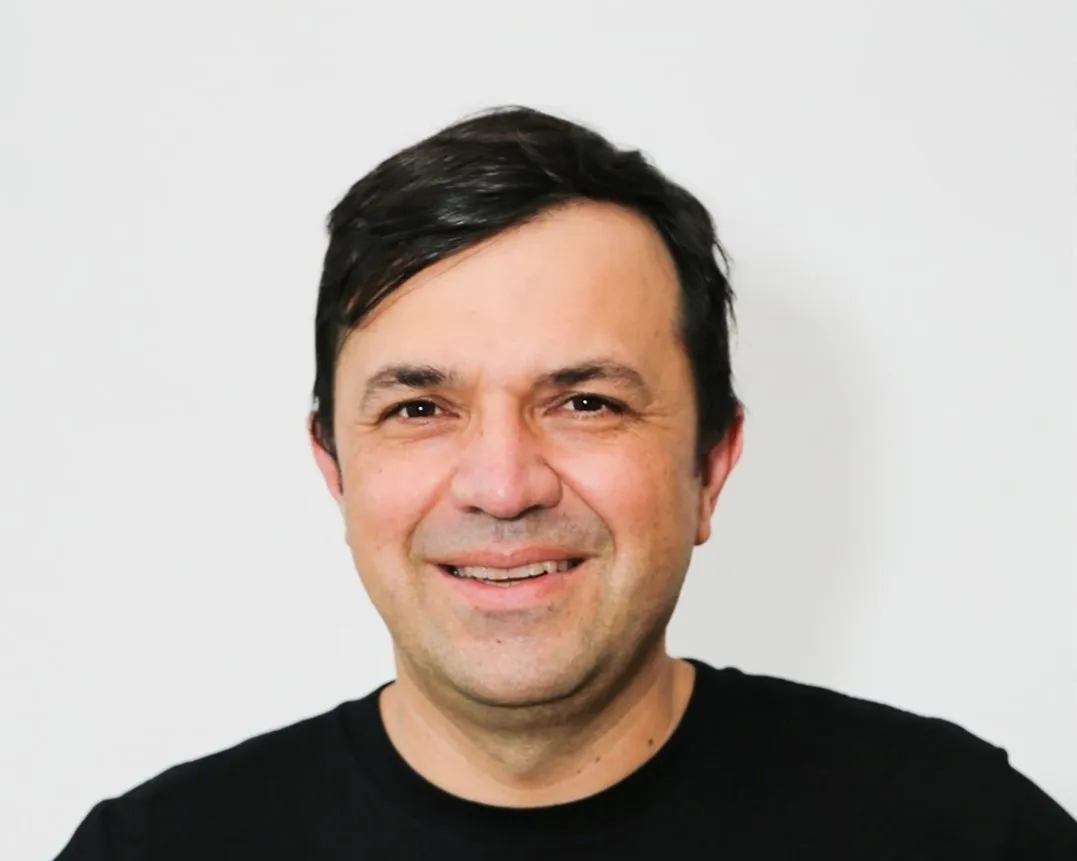
Could you share your background and what brought you to work with cooperatives and the wider social and solidarity economy (SSE)?
My background is in social work, complemented by further studies in community development, which together gave me a grounding in supporting people in need in advancing collective solutions. As a young social worker, I was struck by the level of exclusion faced by persons with intellectual and psychological disabilities. They had far fewer opportunities than people like me and often endured financial hardship, poor health, victimization and even homelessness. Their main role in society was as recipients of goods and services. Rarely were they producers or directors of their own affairs, and seldom were they in the driver’s seat.
I have always believed in self-help and mutual aid as pathways to empowerment. Early in my career in the early 2000s I was fortunate to work with Community Living Association who supported persons with disabilities to establish a worker cooperative, something that was quite rare in Australia at the time. I wasn’t involved in this work, but a skilled community worker in the organization and social work staff and students assisted this fledgling group to establish its own identity, first as a jobs club in the informal economy and then as a formal cooperative enterprise. The experience showed me how the cooperative model can transform lives — not only creating decent jobs but restoring dignity, identity and participation in society. It also set me on the path to starting work in NCEC when the opportunity arose.
How did Nundah Community Enterprises Co-operative (NCEC) come into being, and how has its mission evolved since its establishment?
NCEC came into being through the lived experience of its founders. They were all persons with disabilities who had been long-term unemployed, despite multiple attempts to find work. They had all experienced prolonged periods of involuntary idleness and had seen their hopes for employment dashed with rejection after rejection.
Before NCEC was formed, many of the founders described a deep sense of isolation. They shared how they would often begin new jobs feeling hopeful, but when those jobs ended, the loss left them feeling discouraged, disconnected, and unsure of their own worth.
In the mid 1990s our founders shared many different versions of these stories in conversation with local community workers who invited them to meet with others with similar experiences. From humble conversations, a shared analysis arose as the founders developed the understanding that their stories were not isolated and that their predicament was not their fault. Hope was born and this small group of eight persons with intellectual disabilities decided to start a ‘jobs club’.
The group began informally and, after a period of experimentation, formally registered as a worker cooperative under law in 1998, with the object of establishing employment-generating businesses. It started with only a few hundred dollars in membership fees. A crucial turning point came when Brisbane City Council awarded NCEC its first contract to maintain three local parks. This gave members steady, repeatable work, built their confidence, and raised the cooperative’s profile. In 2003, NCEC expanded into hospitality with the Espresso Train Café and Catering, and more recently has diversified through initiatives such as the Good Food Project and peer-to-peer enterprise development with refugee communities.
The mission of our cooperative has not evolved so much as it has broadened and now supports not only its founding members but also many others distanced from the labour market, including young people at risk, refugees, and those seeking asylum in Australia.

Many NCEC members have experienced exclusion from the mainstream labour market. How does the cooperative organize work and provide support to accommodate members’ diverse abilities, needs and working rhythms, and what difference has this made for all members, including persons with disabilities?
As mentioned before, almost all of our members with intellectual disabilities and from refugee backgrounds had experienced long-term unemployment prior to joining our cooperative. This reflects systemic barriers in the formal economy, where their skills and contributions are often undervalued, and workplaces do not adequately accommodate their needs. Our solution was to transform the local economy through owning our own businesses and securing long-term work contracts with government and corporations. This allowed us to take greater control over our own future and to create a workplace that is inclusive of persons with disabilities, respects their choices and preferences, and remains productive while providing good working conditions for all members and workers.
Our goal is for workplaces to be ‘seamless’—in the sense that, from the outside, they look much like other businesses. However, from the inside, they are quite different, as the workplace is intentionally designed to be inclusive of workers with diverse abilities. The pace of our work, for example, might be adapted to different working rhythms and capacities, and our staffing levels are higher than usual to create more opportunities for skill sharing, mentoring and guidance when needed. We also employ professional staff in the office who can provide specialist training, advice, and support, as required.
A key challenge in creating a supportive workplace is holding participation and production (people and productivity) in balance. These two dimensions need to work in harmony for the organization to function effectively and sustainably.
Finding this balance calls for creativity and ongoing adjustment: leaning too far toward participation can undermine the level of productivity needed to remain viable; leaning too far toward productivity can unintentionally exclude workers who face the greatest barriers. The balance is dynamic and must be continually reviewed and recalibrated, in dialogue with members, as circumstances change.
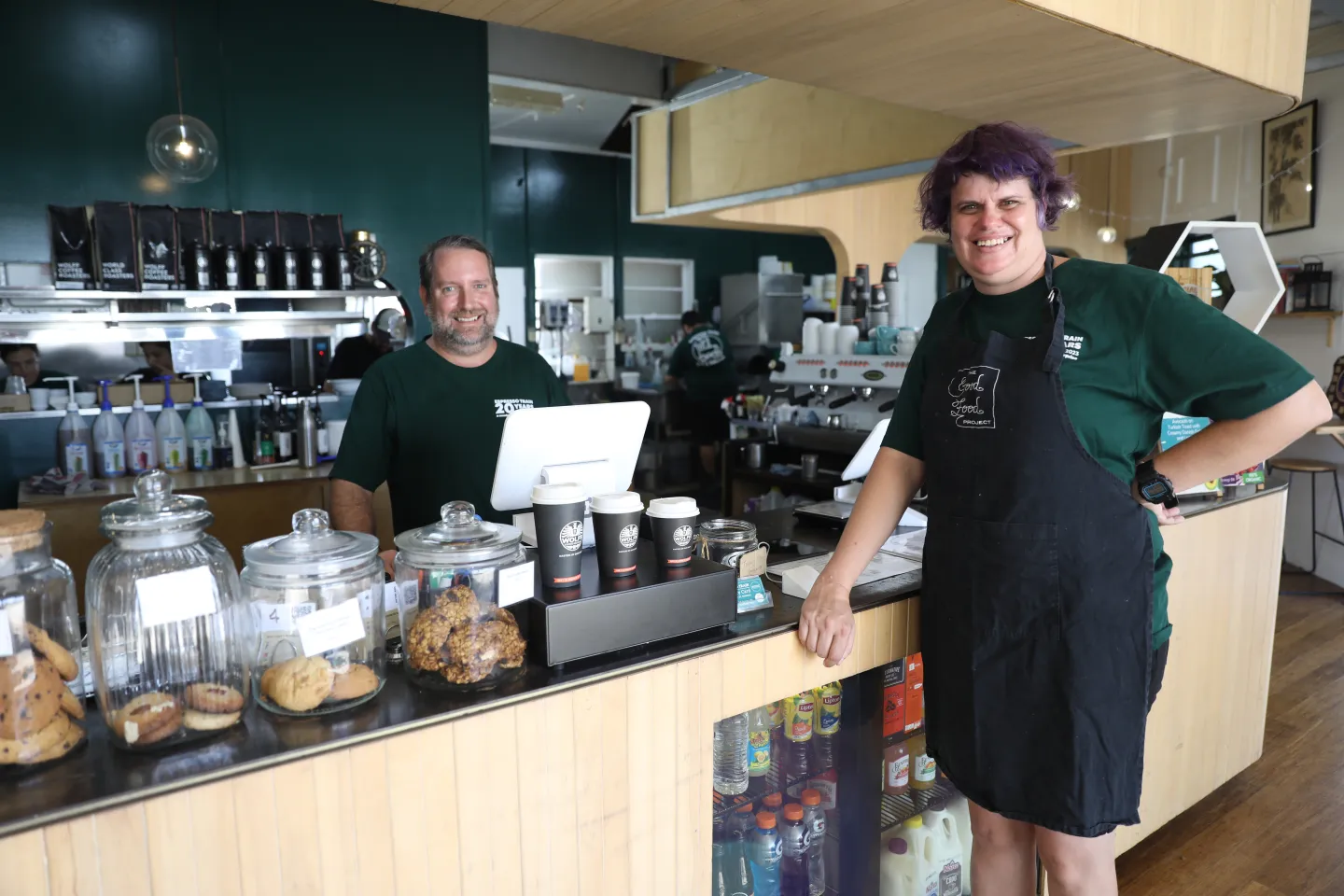
How does NCEC sustain its operations financially, and what kinds of partnerships have been important in this regard?
Our operations are sustained primarily by our trading business. About 75 per cent of our income is derived from selling products in our cafés or from providing services such as street maintenance and mowing parks for our local municipality. This depends on a mix of work contracts — some awarded in recognition of our role as a social and solidarity economy (SSE) entity, while others are purely commercial. Our workers take such pride and ownership in their work which means it is very rare for us to lose a contract. A further 20 per cent of our income is derived from the National Disability Insurance Scheme (NDIS). Individuals who choose to work with us may allocate a portion of their NDIS funding to support their employment and participation in the cooperative.
At about five to seven per cent of our income, short-term government and philanthropic grants play an important catalytic role. This funding is commonly used to purchase equipment and support short-term projects such as the development of a new business arm or social program. We are not overly reliant on this form of funding but also would not have been able to scale our impact nor sustain ourselves in challenging times, without such support.
Finally, leveraging community-controlled assets is critical to our financial sustainability. For example, our works depot is located on the grounds of a local sporting club; instead of paying rent, we maintain the club’s grounds. Given that our profit margins are tight — due to the higher costs of maintaining an inclusive workplace — we must remain creative and adaptive.
Our model is a blended model in terms of income and the mix I've noted above is currently the right one for us. In different contexts and jurisdictions, that balance would naturally look different.
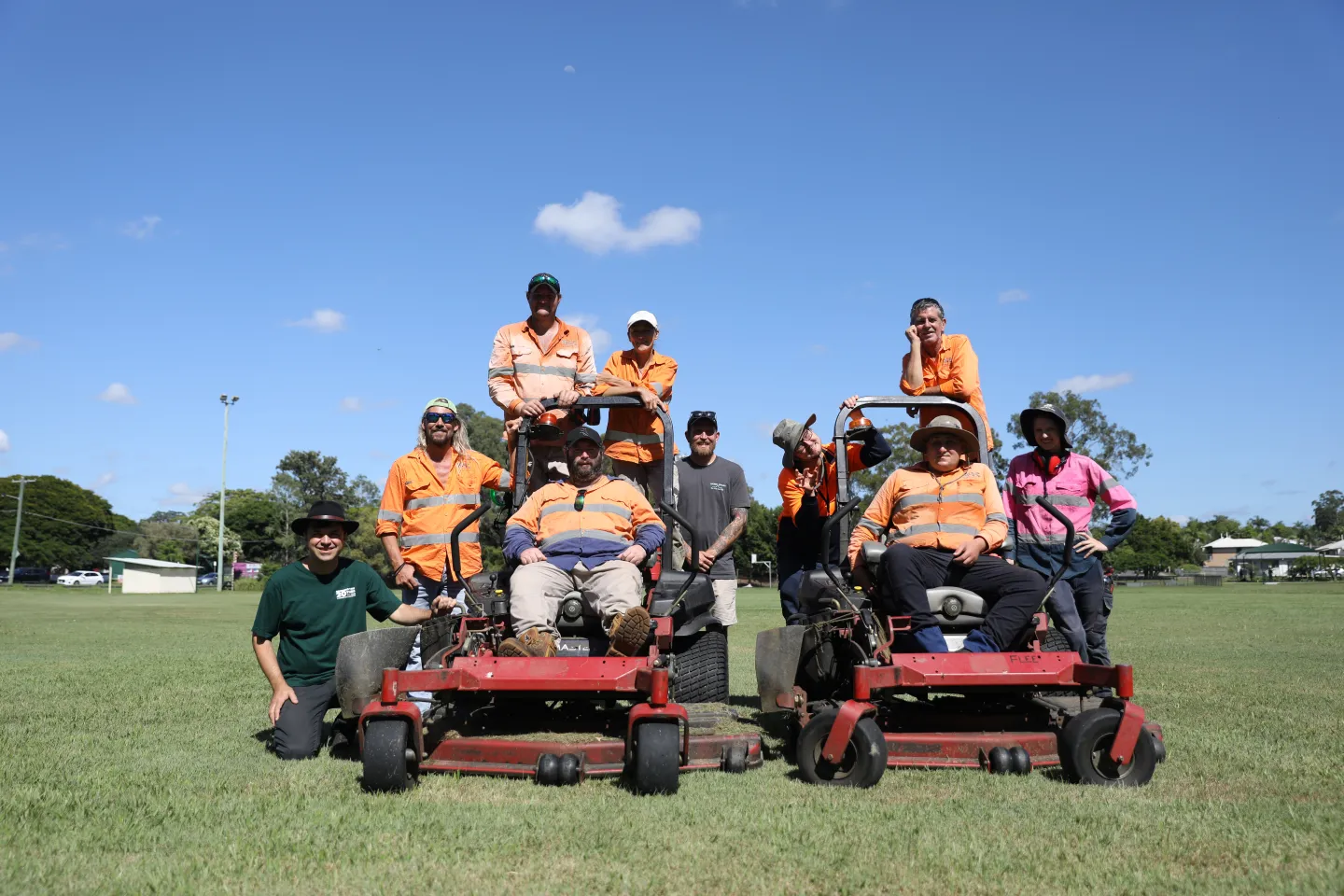
What have been the main challenges for NCEC, and how have you addressed them? What lessons from your experience could be valuable for other cooperatives and communities?
Challenges are many and occur every day. The biggest one, I would say, is listening and staying true to the aspirations of those for whom we exist to serve — in our case, persons with intellectual and psychosocial disabilities, in whose interests the cooperative was created. Being part of a cooperative means balancing many competing demands, and it is easy to get pulled off course. The clearest way we have found to stay on course is to listen deeply and consistently to those most affected by the issues we seek to address, and to enable them to shape our decisions.
There is an art to this, and it can be learned. Letting go of fixed ideas and simply listening to the members in front of you is a constant source of nourishment and inspiration. One needs to take — and make — the time to do this, even when it is costly. It keeps us on track and provides a north star. It is a simple thing, but also a powerful one.
You know workers have been listened to when they say:
“I feel proud that I have a job, am earning my pay and helping the community”
“This is not just a workplace; this is our place — our coop.”
You have recently visited some social cooperatives in Italy. What lessons or insights have you taken from this experience?
My visit to social cooperatives in Italy left a strong impression. The cooperative culture there is both welcoming and deeply embedded, and the experience was rich in learning. From what I could see from this experience, Italy has a significant social and solidarity economy (SSE) sector, and many of these SSE entities are cooperatives with strong member engagement. One thing that really stood out is how the work integration social enterprise (WISE) model is enshrined in legislation. Also, there is an expectation for larger companies to ensure that at least seven per cent of their staff are from groups distanced from the labour market, or else they face fines. What I found particularly interesting is that companies can also meet this obligation by partnering with a social enterprise. That creates positive partnerships — not just compliance — and it means WISEs are seen as credible, viable players in the economy. Of course, no system is perfect, but it’s an environment that clearly enables cooperation and offers much to learn from.
Some of my favourite visits have been to Cauto Cooperativa, Il Giardinone, Spazio Aperto, La Fabbrica di Olinda and L’Impronta Group. But all the cooperatives I have visited have been excellent, and in each case there was a strong sense of social and environmental engagement, as well as egalitarianism among staff from different backgrounds. This is due in part, I believe, to the cooperative principles of democracy and member ownership, and to the principle of subsidiarity in the Italian social sector. I would also like to take this opportunity to thank Confcooperative and Dr. Michele Bianchi, a researcher, for arranging these visits.
The views expressed in this interview are those of the interviewee and do not necessarily reflect the official position or policies of the International Labour Organization.
Related content:

More Spotlight Interviews with Co-operators
Inspiring stories, insights and thought-provoking reflections from cooperative and social and solidarity economy (SSE) actors from across regions and sectors
Stay tuned
To keep updated on the latest Spotlight Interviews with Co-operators, you can also:
- Visit ILO topical portals on cooperatives ilo.org/coop & the SSE ilo.org/sse
- Sign up for ILO COOP/SSE monthly newsletter
- Follow @ILOCOOPSSE on LinkedIn, X, Facebook and Instagram
You may also be interested in

ILO Guidance and resources
The social and solidarity economy: Law and policy
ILO Guidance and resources
Cooperatives and the social and solidarity economy: Education and training
International Year of Cooperatives 2025: ILO Engagements