


Skills development
ILO's STED methodology fosters dialogue on skills needs in Viet Nam’s garment and textile sector
The International Labour Organization's (ILO) Skills for Trade and Economic Diversification (STED) programme is proving to be a valuable tool for discussing and anticipating skills needs in Viet Nam's vital garment and textile sector.
7 May 2024
VIET NAM (ILO News) – Through two technical meetings hosted in Hai Phong and Ho Chi Minh City, ILO’s forward-looking approach, implemented through rapid STED technical and policy foresight meetings, has brought together key stakeholders to identify current and future skills gaps in Viet Nam’s garment and textile sector.
The rapid STED process is designed to be adaptable and efficient. It relies heavily on a dialogue meeting – the STED Technical and Policy Foresight Meeting.
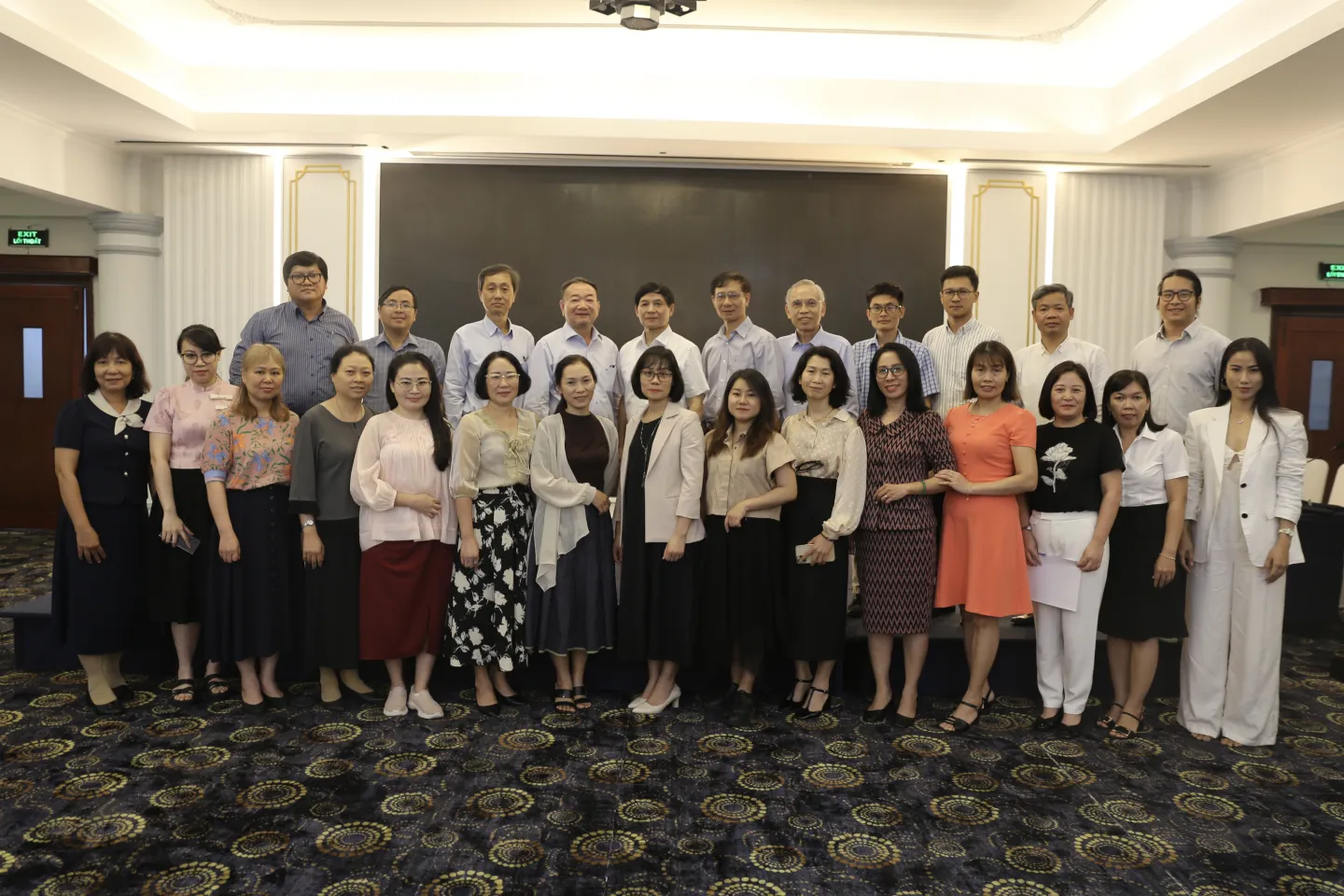
The meeting in Hai Phong in March 2024 served as a successful example. It brought together a diverse group of participants, including government officials, worker and employer organizations, representatives from various garment companies in terms of size, ownership, and sub-sectors, educational and training providers, and research institutions from the northern region of Viet Nam. Meanwhile, the Ho Chi Minh City meeting in April 2024 sought to gather insiqhts from stakeholders and education and training providers in the southern region of the country.
The importance of collaboration between businesses and education and training institutions was a key theme that emerged from both meetings. Dao Trong Do, Director of the Continuing Training Department, Directorate of Vocational Education and Training under the Ministry of Labour, Invalids and Social Affairs, highlighted: "Forecasting skills for the textile and garment workforce is crucial for the industry's future quality. Linking businesses and education and training institutions is essential. Identifying skill gaps will help businesses organize production more effectively and training institutions tailor their programmes to meet job requirements."
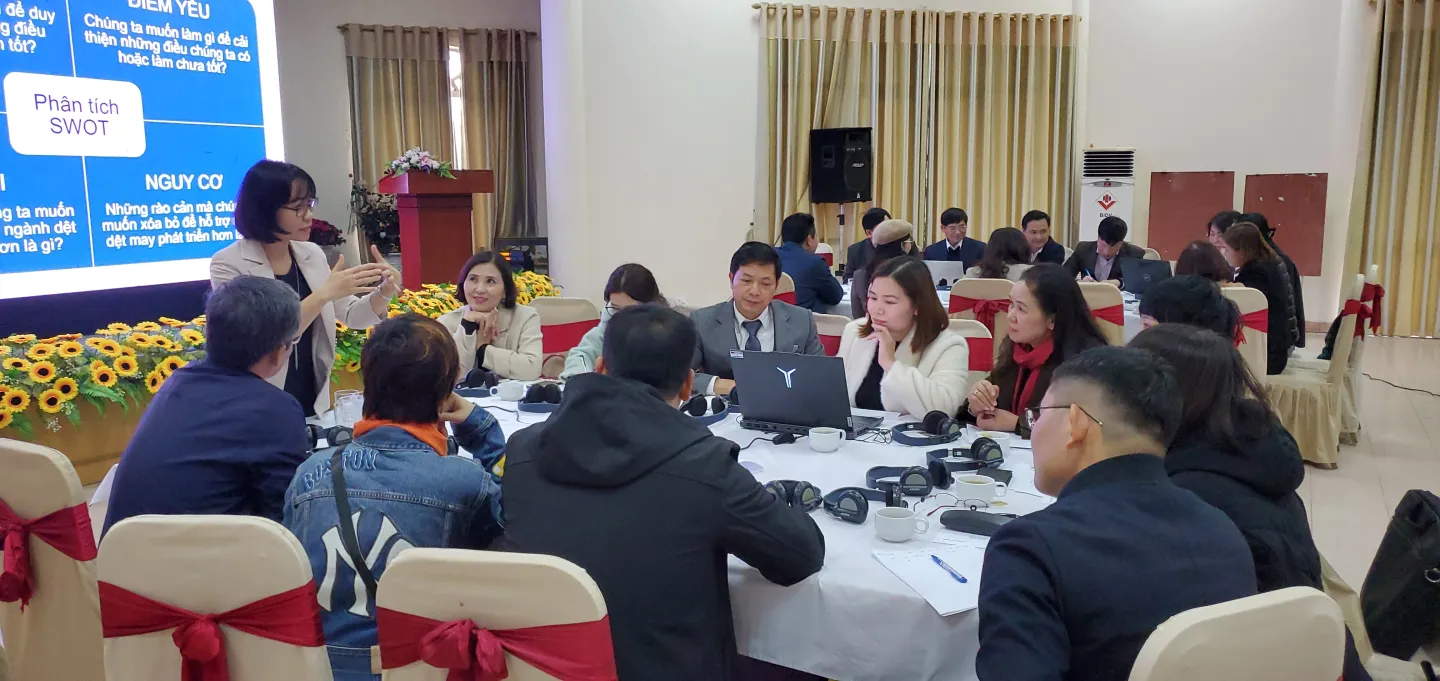
STED: A Collaborative Approach to Skills Planning
The STED meetings usually featured presentations on the sector's background analysis, business capability gaps, and skills supply, followed by group discussions to ensure active participation. These presentations provided a springboard for in-depth conversations, allowing participants to delve into the intricacies of the garment and textile industry in Viet Nam.
"The STED method is a scientific and logical approach that helps us clearly identify the industry's trends and then determine the labour supply and demand and skills required for the industry," said Bui Thi Ninh Head of the Bureau for Employers’ Activities, Ho Chi Minh City Branch of the Viet Nam Chamber of Commerce and Industry.
This sentiment was echoed by Pham Thi Thu Lan, Deputy Director of the Institute of Workers and Trade Unions, Viet Nam General Confederation of Labour, who added, "This practical method gathers direct input from businesses about their skills needs. It encourages participation from both employer and worker organizations, leading to diverse perspectives on skill needs identification."
ILO coordinated closely with key partners, namely Viet Nam Textile and Garment Association (VITAS) to organize the meetings. VITAS Vice President and General Secretary Truong Van Cam shared: “ILO's cooperation with VITAS has been ongoing for a long time, and for this particular chapter, we believe that ILO's STED approach is very appropriate. It allows participants to gain a comprehensive overview of the textile and garment industry, as well as market trends and global changes such as greening and industrialisation in order to identify skill needs.
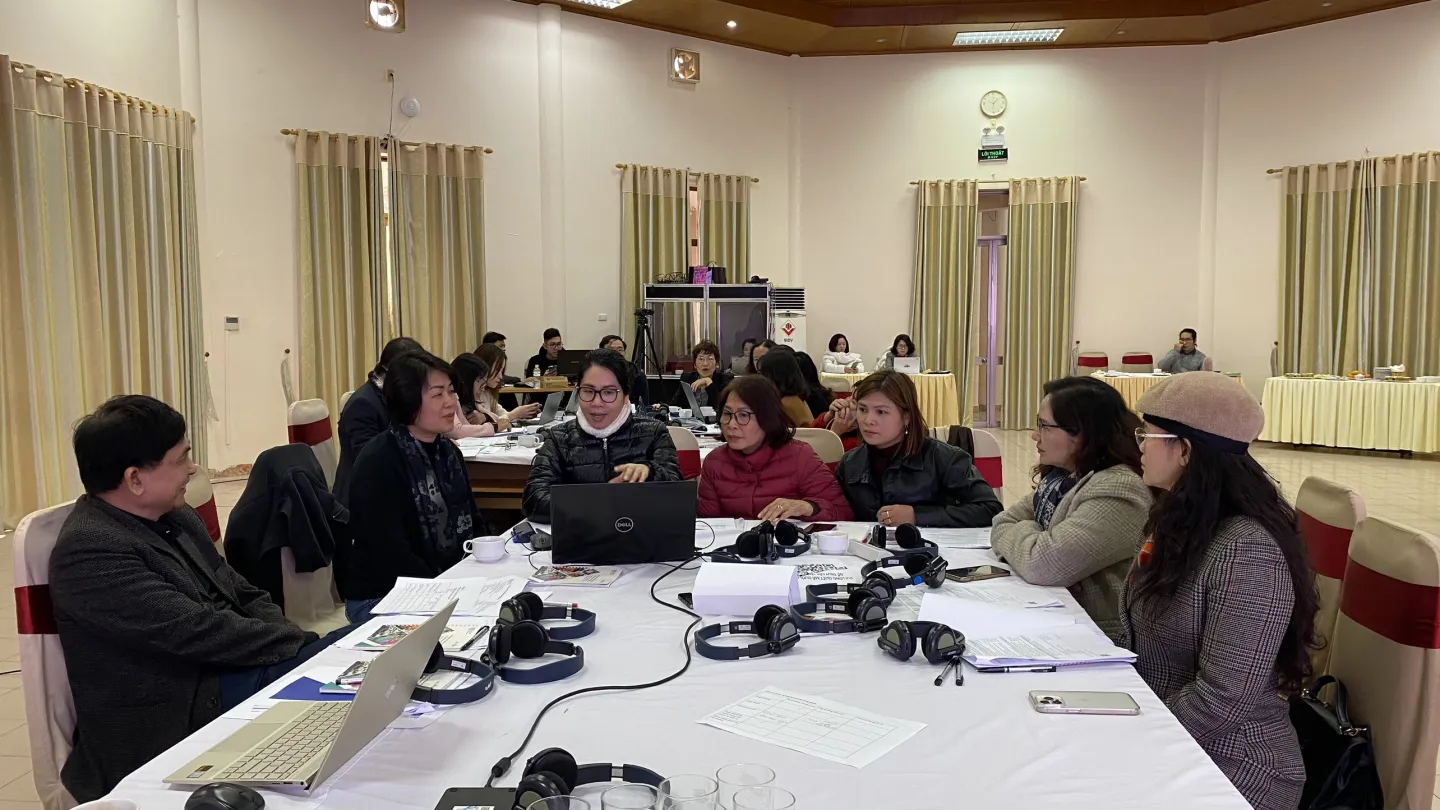
Industry perspectives
Industry representatives also provided valuable insights during the STED meetings. Nguyen Van Hoa, Head of Department, Hung Yen Garment Joint Stock Company (Hugaco) highlighted the valuable information he was able to receive from joining in the meeting in Hai Phong, particularly sharing from other enterprises and training institutions. In his feedback, he wrote “I personally gained a great deal from the experience. Based on my participation, I will recommend the following to the company's management: collaborating with vocational training institutions in textile and garment majors, identifying and training internal talents, recruiting experts fto fill skills gaps, enhancing soft skills, and promoting cross-skilling ensuring all employees are trained in multiple stages of production.”
Insights from education and training institutions
Representatives from education and training institutions also shared constructive insights during the STED meetings, emphasizing the need for stronger collaboration between vocational colleges and businesses to facilitate internships and other forms of practical training for students.
Dr Nguyen Thi Nhung, Vice Dean of the Faculty of Garment Technology and Fashion, Hung Yen University of Technology and Education, emphasized the importance of aligning training programmes with industry needs. “The meeting showed me what kind of human resources businesses are currently in need of. It will help our institution to look back at our training programmes and supplement gaps.”
Tran Quy Dan, Vice Principal of Long Bien Vocational College, Hanoi, shared similar sentiments. She highlighted the importance of continuous curriculum updates to reflect the latest industry trends and technologies. ”We also had the opportunity to share the difficulties and challenges of training units in the current transition period with our colleagues and businesses so that the parties could understand each other better, support and connect with each other more in the future”.
The path forward
The successful organization of both STED meetings is expected to yield valuable information on sector profiles, current challenges, and the existing skills gap between industry demand and workforce supply. This information will be instrumental in developing a comprehensive skills strategy for the Vietnamese garment and textile sector.
As Viet Nam's garment and textile industry strives for continued success and sustainable development, addressing skill gaps through strategic partnerships, targeted training programmes, and a focus on both technical and core employability (soft) skills will be crucial.
The STED process is fostering a spirit of collaboration among key stakeholders. This paves the way for the potential development of public-private partnerships, a crucial step towards ensuring the vital Vietnamese garment and textile sector to have the skilled workforce it needs to thrive in the years to come.
The application of ILO/STED for forecasting skills needs in the textile and garment sector is a component of the ILO’s Future of Work in Textile and Clothing project, funded by the Governments of the Netherlands and Japan. Its objective is to contribute to the effective implementation of the vocational education and training (VET) development strategy for the period of 2021-30, and to support the Government’s ongoing initiatives to enhance productivity and foster sustainable and inclusive growth within the textile and garment industry.
You may also be interested

Country portal
Viet Nam

Skills development
Future of Work in Textile and Clothing: Forecasting and Developing Skills in Viet Nam to Advance Decent Work and Productivity in the Sector