


Article
ILO-supported skills recognition initiative in Uganda opens pathways to decent work for refugees and host communities
An ILO-supported initiative in Uganda is helping refugees and host community members transform informally acquired skills into nationally recognized qualifications, improving access to employment, enterprise opportunities and economic inclusion.
21 May 2026
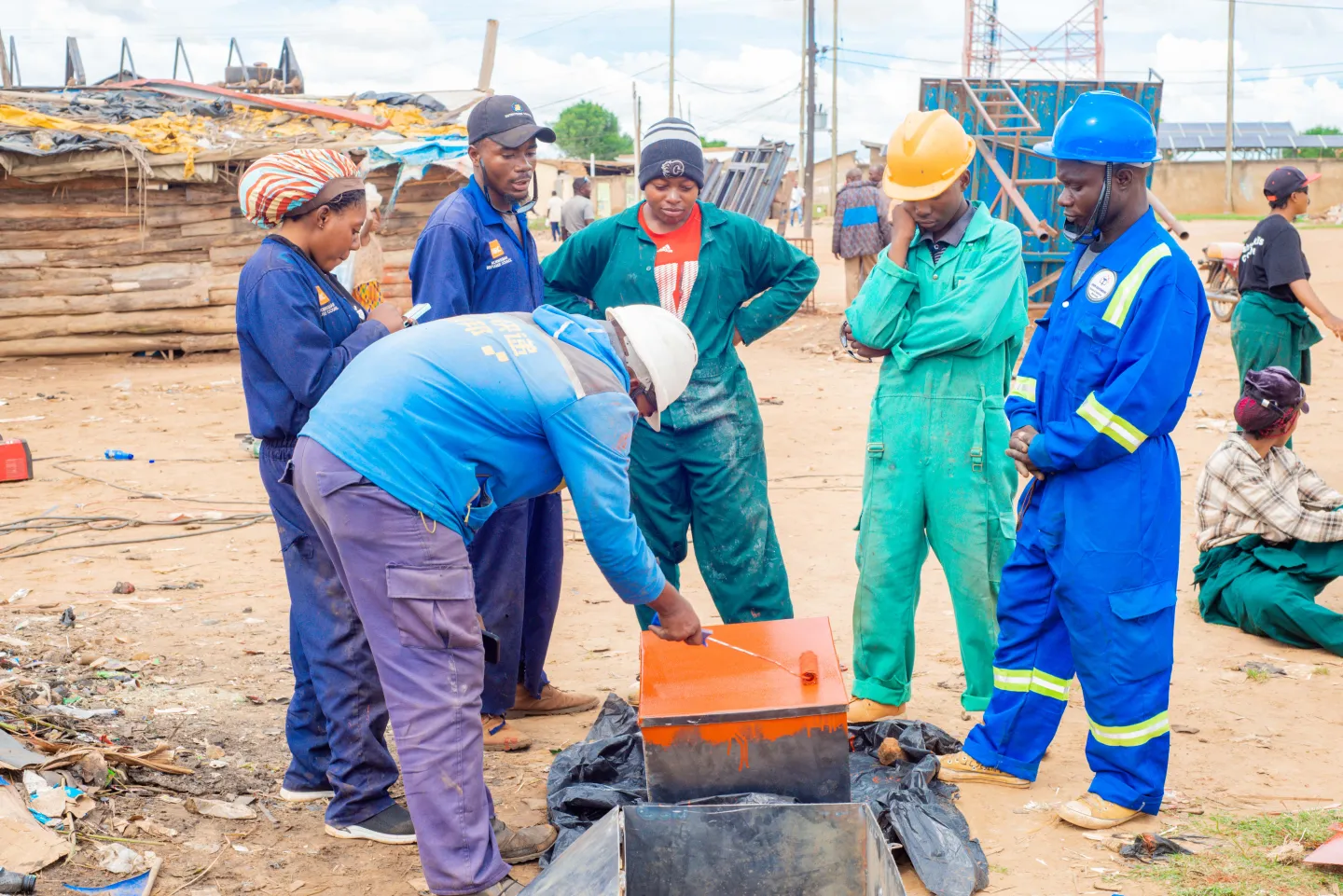
UGANDA (ILO News) – Across Uganda’s refugee settlements, many refugees and host community members possess valuable technical skills gained through years of informal work, apprenticeships and lived experience. Yet without formal certification, these competencies often remain invisible to employers, limiting access to decent work opportunities and constraining enterprise growth.
Through Recognition of Prior Learning (RPL), supported under the PROSPECTS programme funded by the Government of the Netherlands, the ILO, in partnership with the Federation of Uganda Employers (FUE) and the Uganda Vocational and Technical Assessment Board (UVTAB), is helping skilled workers gain nationally recognized certification, opening pathways to employment, enterprise growth and economic inclusion.
A certificate that opened doors
For Abyariman Emmanuel, a refugee from Burundi and a skilled welder in Nakivale refugee settlement, recognition of his skills transformed the future of his business.
“Before obtaining the Workers’ Practically Acquired Skills (PAS) certificate, many companies doubted my skills as a welder and would not award me contracts,” he explained.
After being assessed by UVTAB with support from FUE, Emmanuel obtained his Workers’ PAS certificate and soon secured his first major contract with a non-governmental organization operating in the settlement to fabricate doors and windows.
“When they asked me what proved I could do the work, I showed them my Workers’ PAS certificate. They recognized it and gave me the contract,” he said.
The three-week assignment earned him UGX 2 million (approximately US$530), income that he reinvested in his workshop by purchasing additional materials and equipment to expand the business.
Today, Emmanuel employs four welders on a contract basis and hopes to expand operations to Mbarara and Isingiro districts.
“The Workers’ PAS helped me gain customer trust,”
- Abyariman Emmanuel, a refugee from Burundi and a skilled welder in Nakivale refugee settlement
Certification supporting enterprise growth
Ismail Katambwe shares a similar experience.
Before obtaining his Workers’ PAS certificate in 2024, Ismail regularly missed out on opportunities because he could not formally demonstrate his welding competencies to organizations operating in the settlement.
“Organizations would ask me for evidence that I was qualified, but I had nothing to show,” he recalled.
Following certification, Ismail secured contracts from different organizations, including the Office of the Prime Minister and the Office of the United Nations High Commissioner for Refugees (UNHCR). His monthly income increased significantly, from approximately UGX 200,000–300,000 to between UGX 1 million and 2 million (approximately US$270–530).
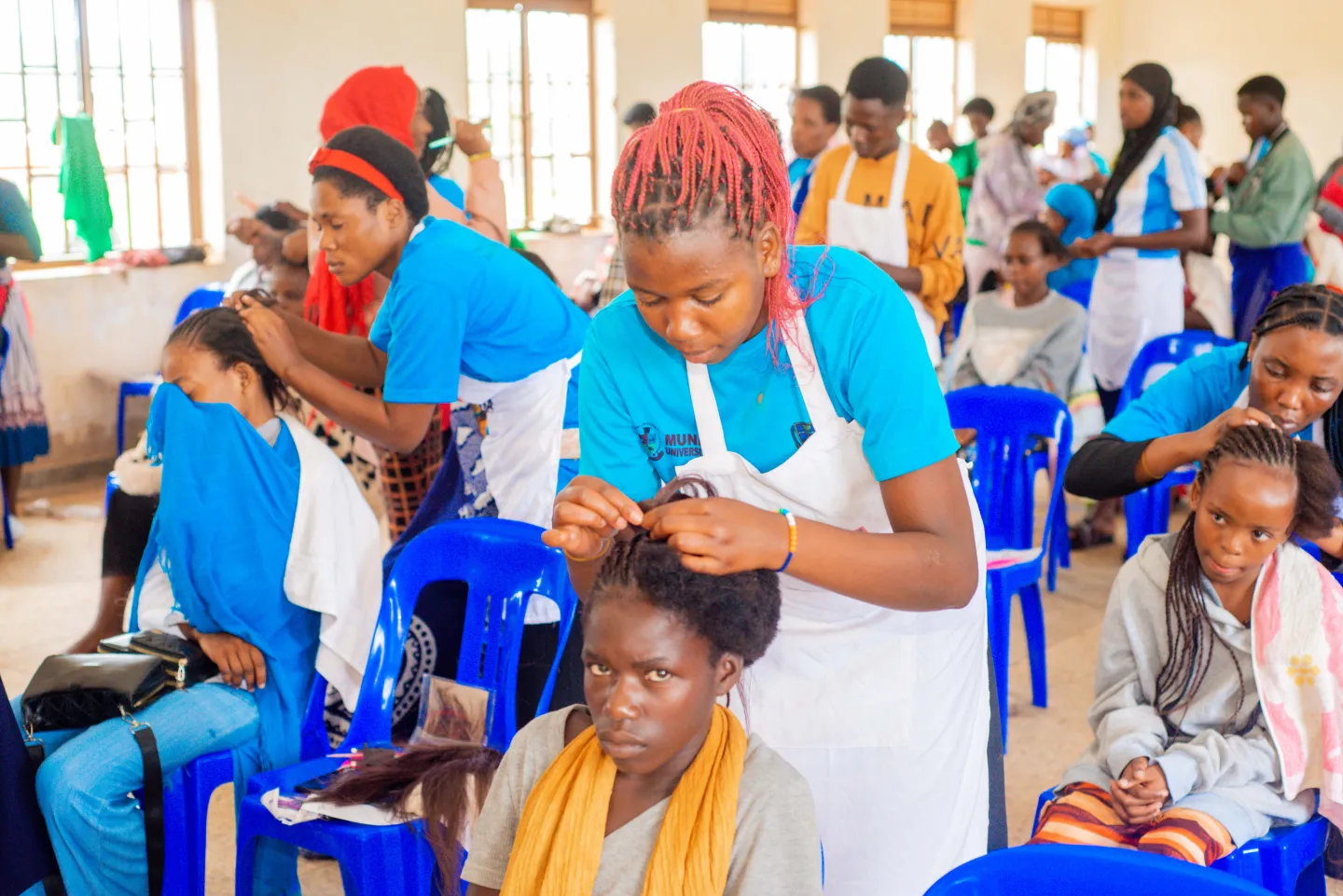
The growth of his business enabled him to open another workshop in Nakivale’s Rubondo zone, where he now employs ten refugees.
His experience highlights how formal skills recognition can support small enterprise growth and create additional employment opportunities within refugee-hosting communities.
Recognition beyond welding
The programme’s impact extends beyond the welding sector.
Kikuni Lukewa, a Congolese electrical technician and solar installer, received his certification in 2023. The credential enabled him to secure a contract with Azam TV to install digital television systems, as well as employment with Tumaini, a refugee-led organization, where he supports electrical and information technology installations for training facilities.
For many participants, certification provides an important bridge between informal livelihoods and more formal economic participation.
Why skills recognition matters
Evans Lwanga, Chief Technical Advisor, ILO PROSPECTS Uganda, explained the importance of RPL:
“In Uganda, a large share of workers acquire skills through apprenticeships, on-the-job experience and self-employment, but the lack of formal certification remains a significant barrier to labour market participation. The promotion of RPL therefore provides an alternative pathway for refugees and host community members to enter the labour market.”
For refugees and host communities alike, the inability to demonstrate competencies through nationally recognized credentials can limit access to employment opportunities, contracts and business growth.
“Recognition of Prior Learning helps bridge skills gaps by validating competencies gained outside formal education and aligning them with national occupational standards."
-Dan Okanya, Head of Research and Policy at FUE
"In Uganda, RPL has supported the labour market integration of refugees and host communities in line with the Refugee Act, 2006, improving livelihoods and reducing dependency on humanitarian assistance. It also helps employers identify qualified workers while contributing to a more inclusive, demand-driven and responsive technical and vocational education and training system. The success of the PROSPECTS project shows that RPL is the way forward,” said Dan Okanya, Head of Research and Policy at FUE.
A demand-driven approach to skills recognition
The RPL programme supported under ILO PROSPECTS works closely with employers to identify skills gaps and understand workforce needs. Through FUE’s employer network, participants are linked to employment opportunities, short-term contracts and work-based learning placements following certification.
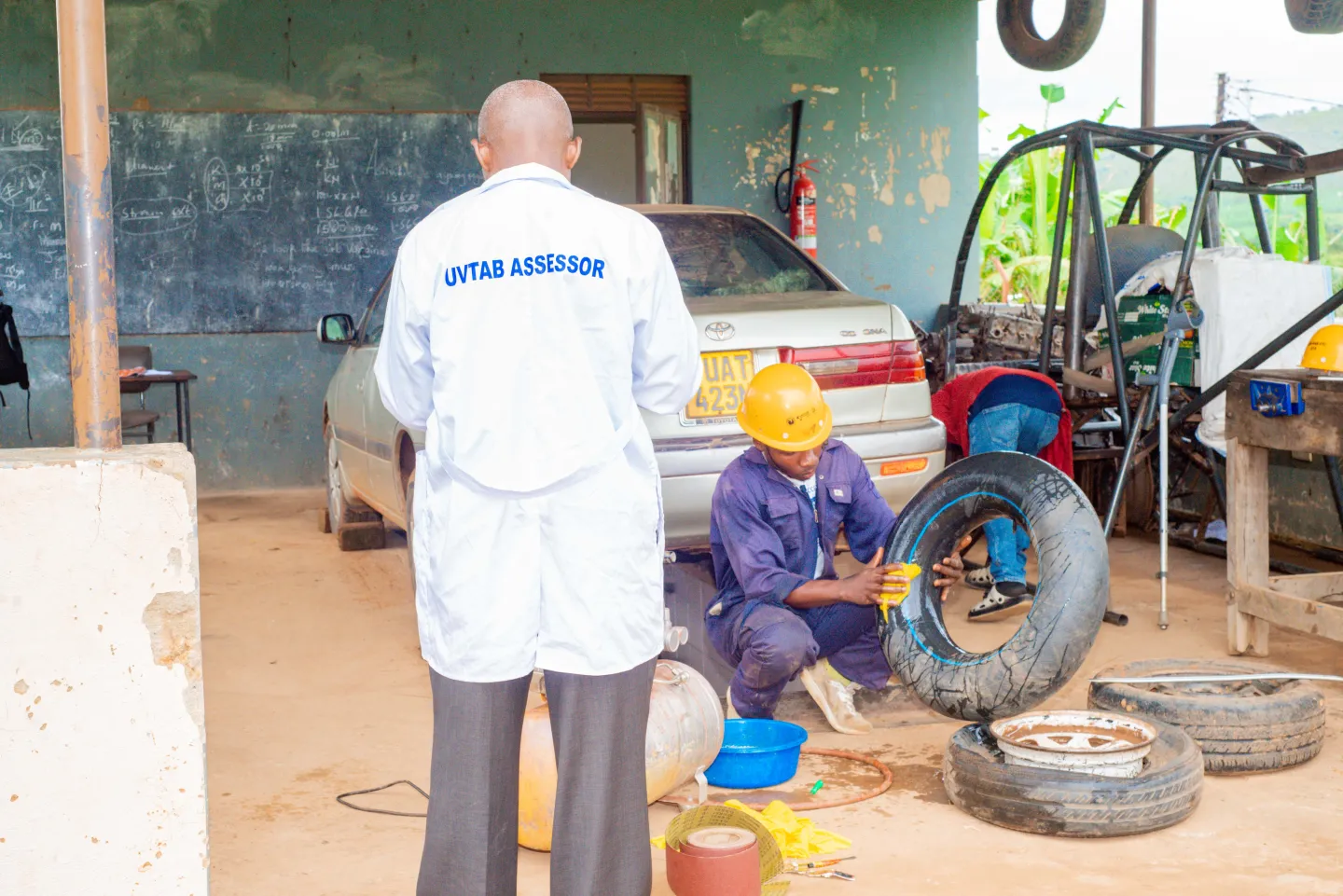
The process begins with awareness-raising and orientation workshops jointly facilitated by FUE and UVTAB, helping candidates understand labour market expectations and the RPL process. Candidates are then registered through both physical and online systems before receiving preparatory training ahead of assessment. Participants are subsequently assessed to determine whether they already possess the required competencies.
Where gaps are identified, candidates receive targeted short-term training before assessment. Beyond technical skills, the programme also integrates employability and soft skills training, including communication, teamwork, workplace attitude and marketing competencies, which employers consistently identify as critical for labour market success.
The programme has also adapted to Uganda’s evolving technical and vocational education and training (TVET) reforms. Under the TVET Act, 2025, RPL candidates must be registered through accredited training institutions. In response, FUE established partnerships with vocational institutions, including Nakivale Vocational Training Centre and Siripi Youth Vocational Training Institute, to facilitate candidate enrolment and certification within a recognized institutional framework.
The partnership between FUE and vocational training institutes strengthens collaboration between industry and training institutions, in line with the employer-led TVET system promoted under the TVET Act, 2025. Through this partnership, FUE is also better positioned to identify challenges faced by institutions and use its role on the boards of UVTAB and the TVET Council to strengthen RPL implementation nationally.
The TVET Policy, 2019, advocates the assessment of informally acquired skills. In addition, section 77(5) of the TVET Act, 2025, mandates UVTAB to assess competencies obtained through both formal and informal TVET pathways, including through RPL.

Building a more inclusive TVET system
In the first phase of the PROSPECTS programme, around 250 refugees and host community members were assessed, certified and linked to employment or enterprise opportunities.
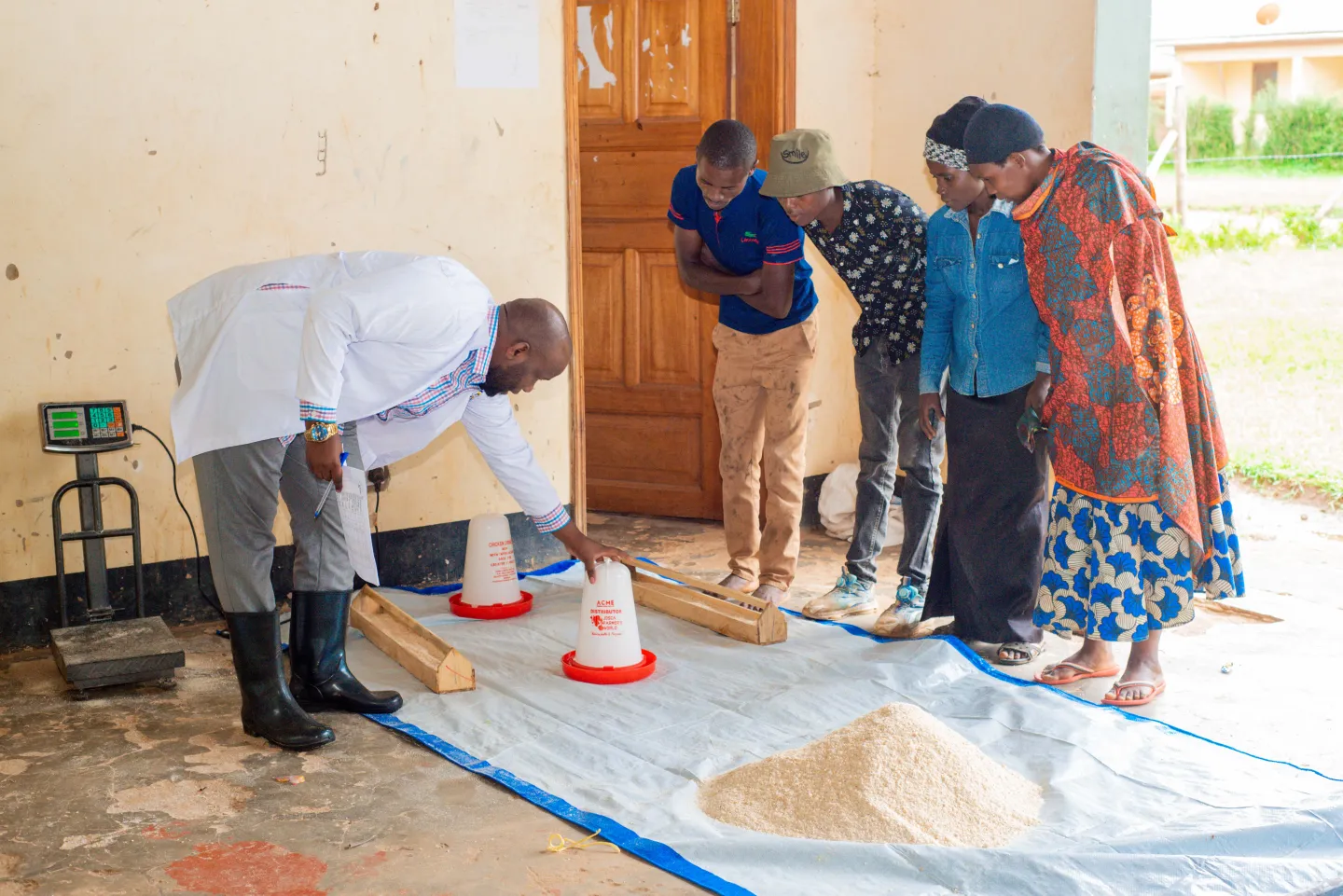
Under the current phase, the programme aims to support an additional 300 participants. In March 2026 alone, 70 candidates, including 40 refugees and 30 host community members, comprising 33 women and 37 men, were assessed in trades such as welding, tailoring, cooking, bricklaying and poultry farming.
Importantly, the programme is also contributing to strengthening Uganda’s broader TVET ecosystem. Through collaboration with UVTAB, assessment and training packages in areas such as solar photovoltaic technology, poultry keeping and cattle farming have been developed and integrated to support RPL. This has expanded access to skills certification for workers in previously underserved sectors.
“Furthermore, RPL helps workers progress vertically within the national TVET qualifications framework, making them more employable and globally competitive,” said Turyamwesimira Johnson, Principal Assessment Officer, UVTAB.
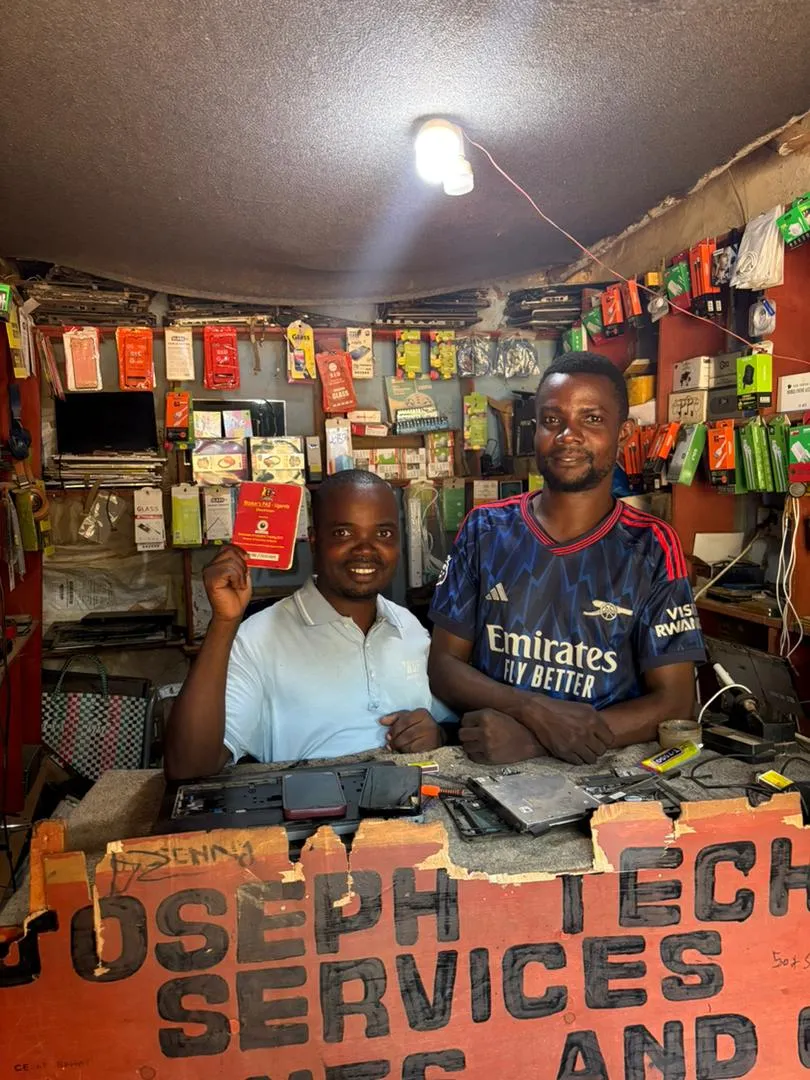
Recognizing skills, unlocking potential
For many refugees and host community members, the challenge is not only acquiring skills, but also having those skills formally recognized.
The RPL approach demonstrates how validating informally acquired competencies through trusted certification systems can help workers gain credibility, strengthen employer confidence and expand access to decent work opportunities.
As Uganda continues to strengthen its technical and vocational education and training system, the initiative is helping ensure that refugees and host communities are not left behind. By connecting skills recognition with labour market needs, the programme is contributing to more inclusive economic participation, stronger local enterprises and improved livelihoods.
The Government, together with employers, training institutions and development partners, is working to institutionalize and operationalize the provisions of the TVET Act, 2025, to further strengthen RPL systems in Uganda and expand access to nationally recognized certification.
Related content
Programme
Partnership for improving prospects for forcibly displaced persons and host communities (PROSPECTS)

Recognition of Prior Learning

Topic portal
Skills and lifelong learning
ILO-Netherlands Partnership
Partnership for improving prospects for forcibly displaced persons and host communities (PROSPECTS) in Uganda
Relevant projects
ILO-Netherlands Partnership
Partnership for improving prospects for forcibly displaced persons and host communities (PROSPECTS) in Uganda
Programme
Partnership for improving prospects for forcibly displaced persons and host communities (PROSPECTS)