

skills, youth, entrepreneurs
The ILO impact in Musanze and Muhanga
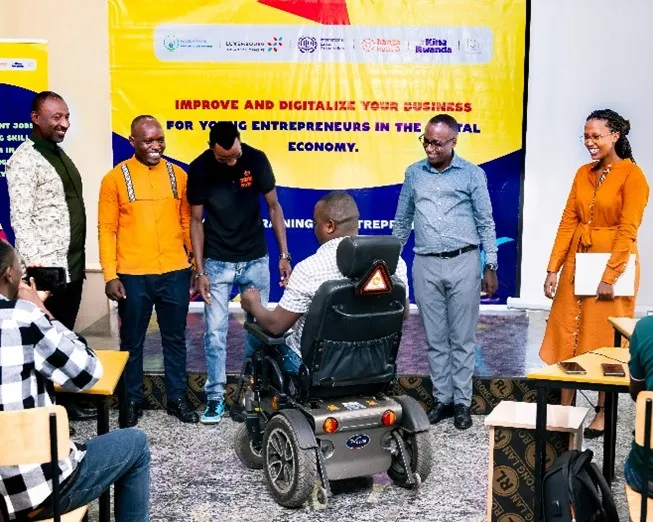
Six months after completing the Start and Improve Your Business (SIYB) and Digitalize Your Business (DYB) ILO trainings, young entrepreneurs in Musanze are not only applying what they learned, they are gradually changing how they manage, organize, and grow their businesses. While still at an early stage, these changes are already helping them gain better control over their operations and make more informed day-to-day decisions.
22 May 2026
International Labour Organization (ILO)’s project “Boosting Decent Jobs and Enhancing Skills for Youth in Rwanda’s Digital Economy”, implemented with national partners and supported by the Government of Luxembourg, the training has reached over 175 young entrepreneurs across Musanze and Muhanga using the ILO’s SIYB and DYB training materials. These practical, hands-on tools focus on financial management, marketing, operations, and digitization, supporting entrepreneurs to improve how they run their businesses on a daily basis.
I. Planning before the job, Bangankiza Felicien helps The Sun Studio avoid losses and grow with confidence
For Bangankiza Felicien, Founder of The Sun Studio in Musanze, the transformation is reflected in how the business is managed day to day. Previously, Felicien, the owner and a photographer, would accept jobs without fully considering the costs involved. When invited to cover a wedding in Kigali or Muhanga, he would agree first, only to later start worrying about transport and other expenses, and whether he would make a loss.
Six months on, that uncertainty has reduced. He now takes time to think through the costs before accepting a job and plans his work more carefully. This shift has helped him avoid unexpected losses and better organize his services. He explains that this has given him more confidence when deciding which assignments to take on.
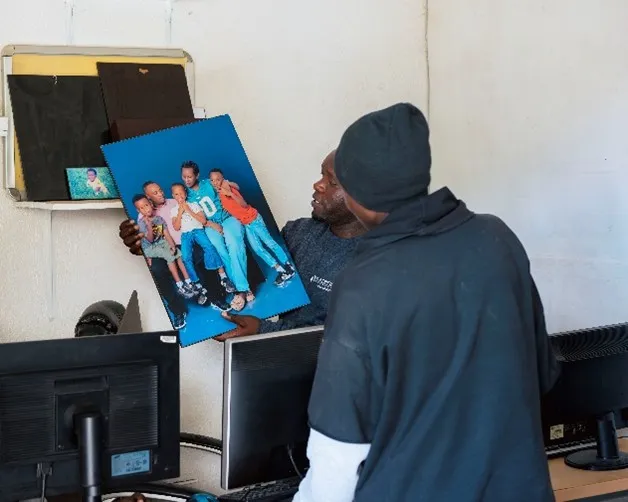
Alongside this, he has strengthened his digital presence by developing a website and using Instagram to showcase his work. These platforms have made it easier for people to discover his services, including clients beyond his immediate area, gradually expanding his reach. As a result, he is now able to connect with a wider range of clients than before.
II. Bringing order to the business, MUGWANEZA Egide strengthens RETE Ltd through better financial management
For MUGWANEZA Egide, Founder of RETE Ltd for welding in Musanze, the change is visible in how he now manages his business. Before the training, one of his main challenges was how to track expenses and income and understand how to match the two. As he explains, money coming in and money going out were mixed together, making it difficult to know what he was really earning.

Six months later, that confusion has been replaced with a clearer system. He now records all expenses and tracks incoming revenue, using simple digital tools to keep organized records and regularly compares the two to understand his profit. This has helped him make more informed decisions in his business, including how to plan and engage with financial institutions such as banks. He notes that this clarity has made it easier to organize his activities and manage his resources more effectively.
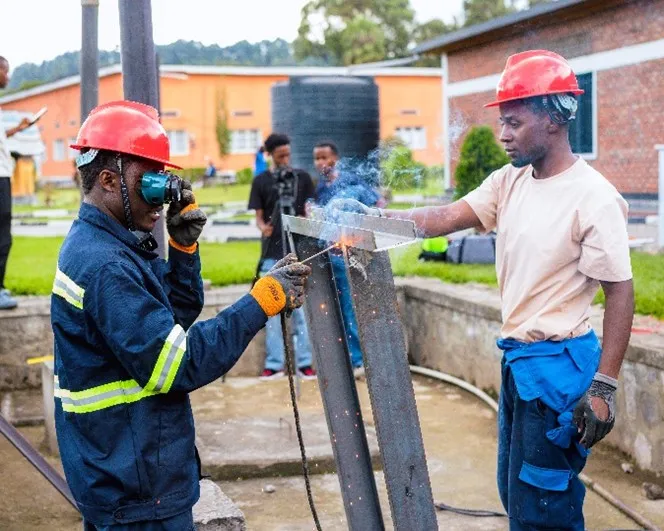
At the same time, the way he reaches customers has also evolved. Where his business was once largely unknown, he now uses digital tools and social media to increase visibility. By sharing his products and services online, he is able to reach customers beyond his immediate location. As more people discover his work online, both distant and nearby customers are becoming more aware of what he offers. This increased visibility is helping more people engage with his business.
iii. Knowing what works, Yvan Patrick Mukuruwabatwa helps Red Velvet Cake Ltd make smarter product decisions
For Yvan Patrick Mukuruwabatwa, Co-Founder of Red Velvet Cake Ltd in Muhanga, the training helped bring clarity to how the business operates. Before attending SIYB, the team did not have a structured way of managing their finances. Records were incomplete, and it was difficult to know what was coming in, what was going out, or which products were profitable. As he explains, they were producing and selling, but did not know which products were helping them grow and which ones were causing losses.
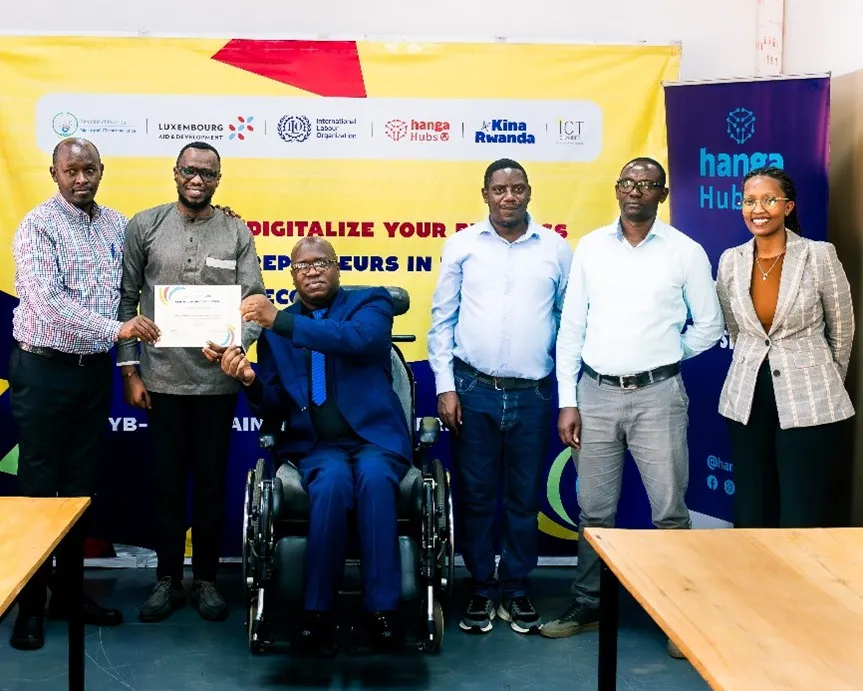
Six months later, the business is more organized. They now keep better records, track their costs, and review their performance more regularly. This allows them to better understand their products and adjust their activities accordingly. This improved visibility over their operations is helping them make more informed choices in their day-to-day production.

Their perception of marketing has also changed. What once seemed limited to large platforms like television and radio is now understood as something they can do themselves using simple and accessible tools like social media to post their products. Through digitization, they are also able to keep more accurate data, helping them make decisions based on clearer information. They note that these changes are making their business easier to manage and gradually more structured.
A gradual but meaningful shift
Across these stories, a common thread emerges: a shift from uncertainty to better control, from informal practices to more structured ways of managing businesses, and from limited visibility to a growing presence through digital tools. Six months after the training, these entrepreneurs are not only applying new skills, they are gradually strengthening how they manage and organize their businesses, with more clarity in their day to day decisions.
Their experiences reflect the practical impact of the SIYB and DYB approach, equipping young entrepreneurs with tools and knowledge that can be applied and sustained over time. As Rwanda continues its digital transformation, these examples highlight how even small, consistent changes can support the development of more organized and better managed businesses.