

ILO and CMA bolster Labour Justice through specialized arbitration training in Morogoro
The ILO and CMA conducted specialized arbitration training in Morogoro to strengthen labour justice by equipping mediators and arbitrators with advanced skills for fair and efficient dispute resolution.
7 May 2025
Morogoro, Tanzania (ILO News) - In a strategic move to enhance the effectiveness and credibility of labour dispute resolution in Tanzania, the International Labour Organization (ILO), in collaboration with the Commission for Mediation and Arbitration (CMA), launched a specialized capacity building training for CMA arbitrators from across the country.
Held from 6 to 10 May 2025 at the Nashera Hotel in Morogoro, the four-day intensive training session brought together arbitrators from various CMA zones, focusing on strengthening their professional competence, legal reasoning, and ethical standards. The programme responds to the growing demand for timely and fair resolution of labour disputes, with over 4,000 cases received by the CMA in a single month earlier this year.
The workshop was officially opened by Hon. Rose Ally Ebrahim, Judge in Charge of the High Court of Tanzania, Morogoro Zone, who emphasized that high-quality labour arbitration is not only vital for upholding justice, but also instrumental in fostering economic development and social stability. She underscored the importance of delivering timely decisions, minimizing procedural delays, and maintaining the highest standards of integrity in handling labour matters.
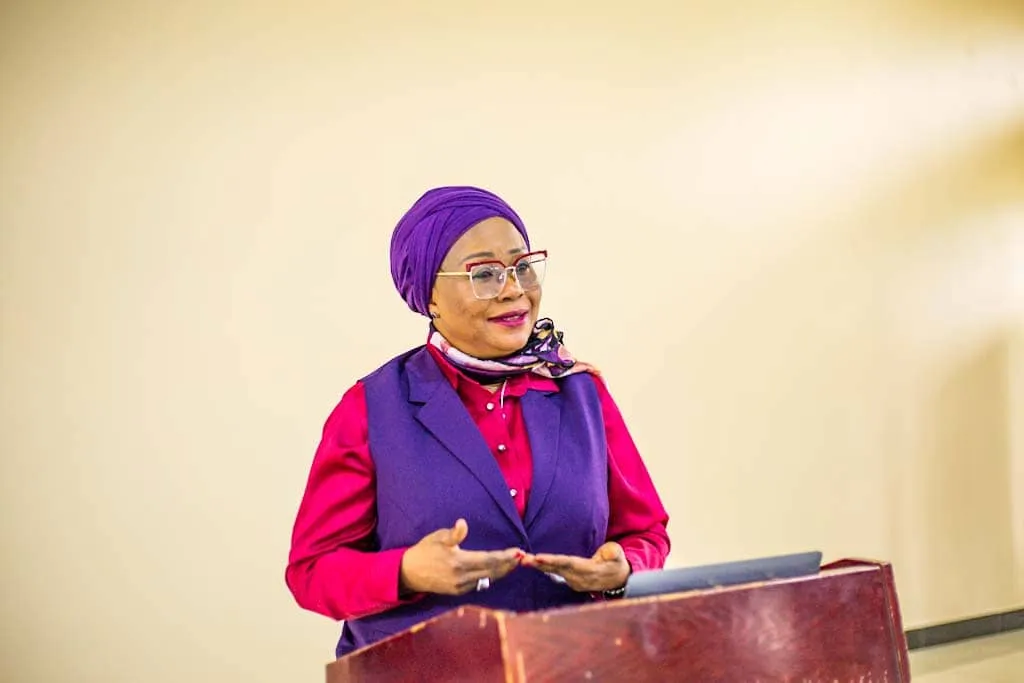
“It is my hope that the knowledge you gain here will elevate your performance and help consolidate a just and efficient labour dispute resolution system,” said Judge Ebrahim. She also commended CMA’s recent launch of a digital case registration system as a critical step toward greater institutional efficiency and accountability.
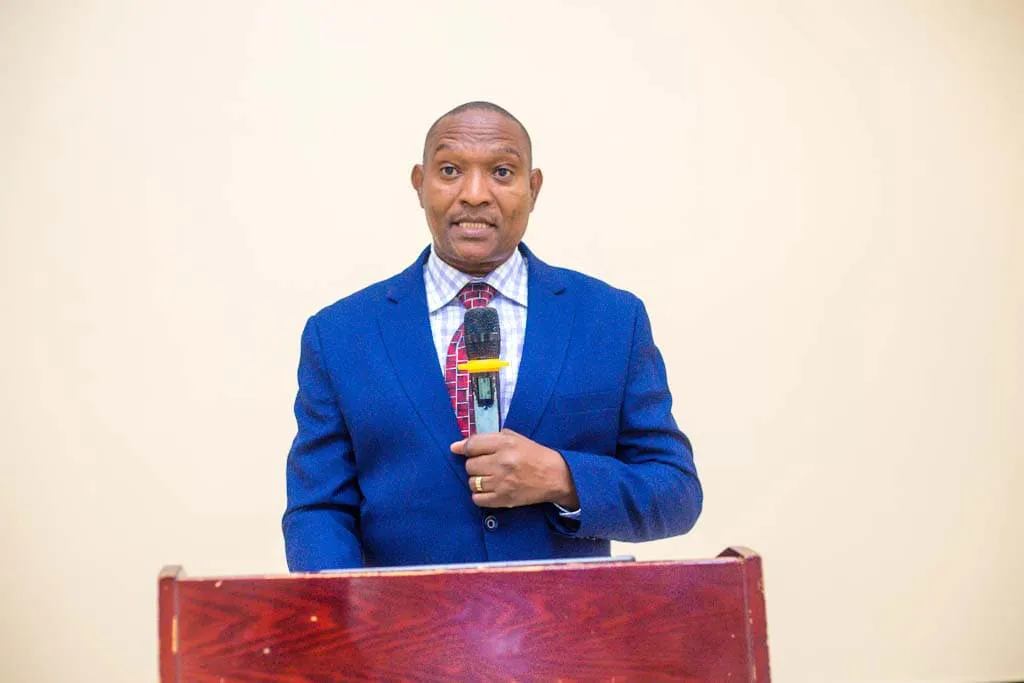
Mr. Edmund Moshy, ILO Senior Programme Officer, delivered opening remarks on behalf of Ms. Caroline Khamati Mugalla, ILO Country Director for the United Republic of Tanzania, Burundi, Kenya, Rwanda and Uganda.
“This training represents the ILO’s commitment to promoting social justice through decent work,” Mr. Moshy said. “A professional, ethical, and rights-based arbitration system is essential to sustaining industrial peace and reinforcing trust in labour justice mechanisms.”
Targeted Learning for Institutional Impact; The training programme covered core areas essential to high-quality arbitration, including:
• Judicial ethics and professional conduct
• Gender-responsive adjudication
• Legal reasoning and use of precedents
• Drafting of awards and evidentiary analysis
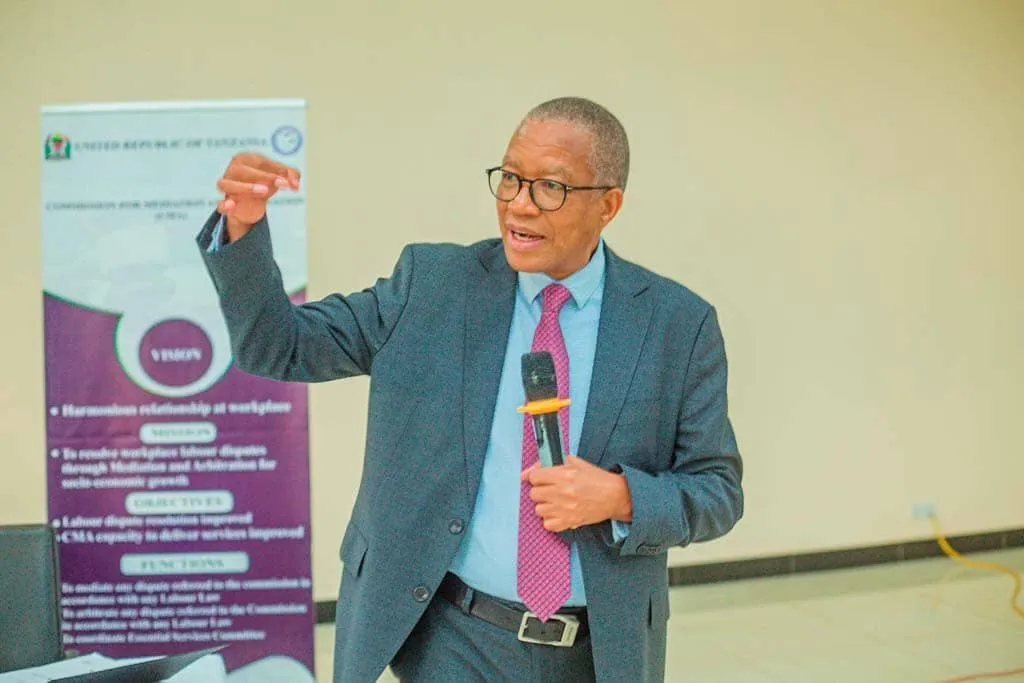
These themes were reinforced through plenary discussions, group work, and expert-led sessions, including from Mr. Limpho Mandoro, Social Dialogue and Labour Administration Specialist from the ILO Pretoria Office, and Tanzanian legal practitioners specializing in evidence law.
The training was designed to align with the CMA’s institutional mandate under the Labour Relations Act No. 7 of 2004 and supports its mission to deliver independent, fair, and timely dispute resolution services. It also contributes to the implementation of Tanzania’s Five-Year Development Plan III, the Zanzibar Development Plan, and the Decent Work Country Programme (DWCP) 2023/24–2027/28 specifically Priority 3 on social dialogue and tripartism.
At the international level, it reinforces the ILO’s Programme and Budget for 2024–25, particularly Policy Outcomes 1 (Normative Action for Social Justice) and 2 (Empowered Tripartite Constituents), and promotes the realization of SDG 8 (Decent Work) and SDG 16 (Peace, Justice, and Strong Institutions).
Digital Transformation and Institutional Modernization; Although the training began a day later than initially planned, the time was constructively used. CMA leadership introduced participants to a new digital case management system an important milestone in the Commission’s digital transformation agenda. The system is expected to improve transparency, efficiency, and accessibility in case handling across the country. Judge Ebrahim applauded the Commission for this innovation, stating that digital tools will play a key role in reducing backlog and ensuring equitable access to justice.
''This is not just training; it is an investment in institutional excellence,” Mr. Moshy emphasized. “We commend the CMA for embracing innovation and reaffirm the ILO’s continued support for its modernization and reform agenda.”
Looking Ahead: Inclusion of Mediators; While the original plan included both mediators and arbitrators, the high demand and depth of the curriculum necessitated a focus solely on arbitrators for this session. However, the ILO confirmed that a dedicated training session for CMA mediators is under active consideration.
“We value the indispensable contributions of both arbitrators and mediators and are committed to equipping all CMA professionals with the tools they need to serve effectively,” Mr. Moshy noted.
Shared Commitment to Justice and Decent Work
The training is part of a broader strategy to build a competent and trusted cadre of dispute resolution professionals, enhance compliance with international labour standards, and promote industrial harmony. Topics explored also included enforcement mechanisms, international labour standards, social dialogue principles, and alternative dispute resolution (ADR) techniques.
In closing the training, the ILO expressed appreciation for CMA’s leadership and the dedication of participants. Judge Ebrahim also reaffirmed the judiciary’s support for efforts that strengthen the rule of law and uphold the rights of workers and employers alike.
“May the knowledge and skills you have acquired here translate into a more trusted, accessible, and just system for resolving labour disputes in Tanzania,” Mr. Moshy concluded.
This initiative reaffirms the ILO’s longstanding support for Tanzania’s labour relations institutions and its commitment to advancing social justice, good governance, and inclusive development through effective labour dispute resolution.