

Article
How virtual reality is helping Uganda's youth prepare for the world of work
At the Uganda National Youth Opportunity and Innovation Conference 2026, young people explored how virtual reality can help them develop workplace skills, build confidence and prepare for employment through the ILO-supported Workverse initiative.
13 October 2026
Kampala, Uganda (ILO News) – What if young people could practise workplace situations, build confidence and learn from experience before stepping into their first job? This is the idea behind Workverse, an innovative virtual reality (VR) learning initiative supported by the International Labour Organization (ILO) through its PROSPECTS programme.
As technology transforms the world of work, young people increasingly need more than technical skills. Communication, teamwork, empathy and adaptability are equally important. Yet opportunities to practise these skills remain limited, particularly for young people facing barriers to education and employment, including refugees and host communities.
Recognising this gap, the ILO, in partnership with the International Training Centre of the ILO (ITCILO) and the Uganda Institute of Information and Communications Technology (UICT), showcased Workverse at the inaugural Uganda National Youth Opportunity and Innovation Conference (UNYOIC) on 18 September 2026.

Learning by doing in a virtual world
Launched in 2025 through ITCILO's Innovation Sparks Initiative, Workverse uses VR to help young people practise workplace skills in simulated environments, including preparing for job interviews, communicating with colleagues and navigating workplace interactions.
The initiative combines ITCILO's expertise in innovative learning, UICT's understanding of local training needs and the ILO's commitment to inclusive skills development. With support from the Government of the Netherlands through ILO PROSPECTS, it aims to expand practical learning opportunities for young people, including refugees and host communities.
Building confidence before entering the workplace
Earlier testing in Nakivale Refugee Settlement introduced young people to VR learning tools, while trainers from UICT and other institutions explored their potential for developing communication and interpersonal skills.
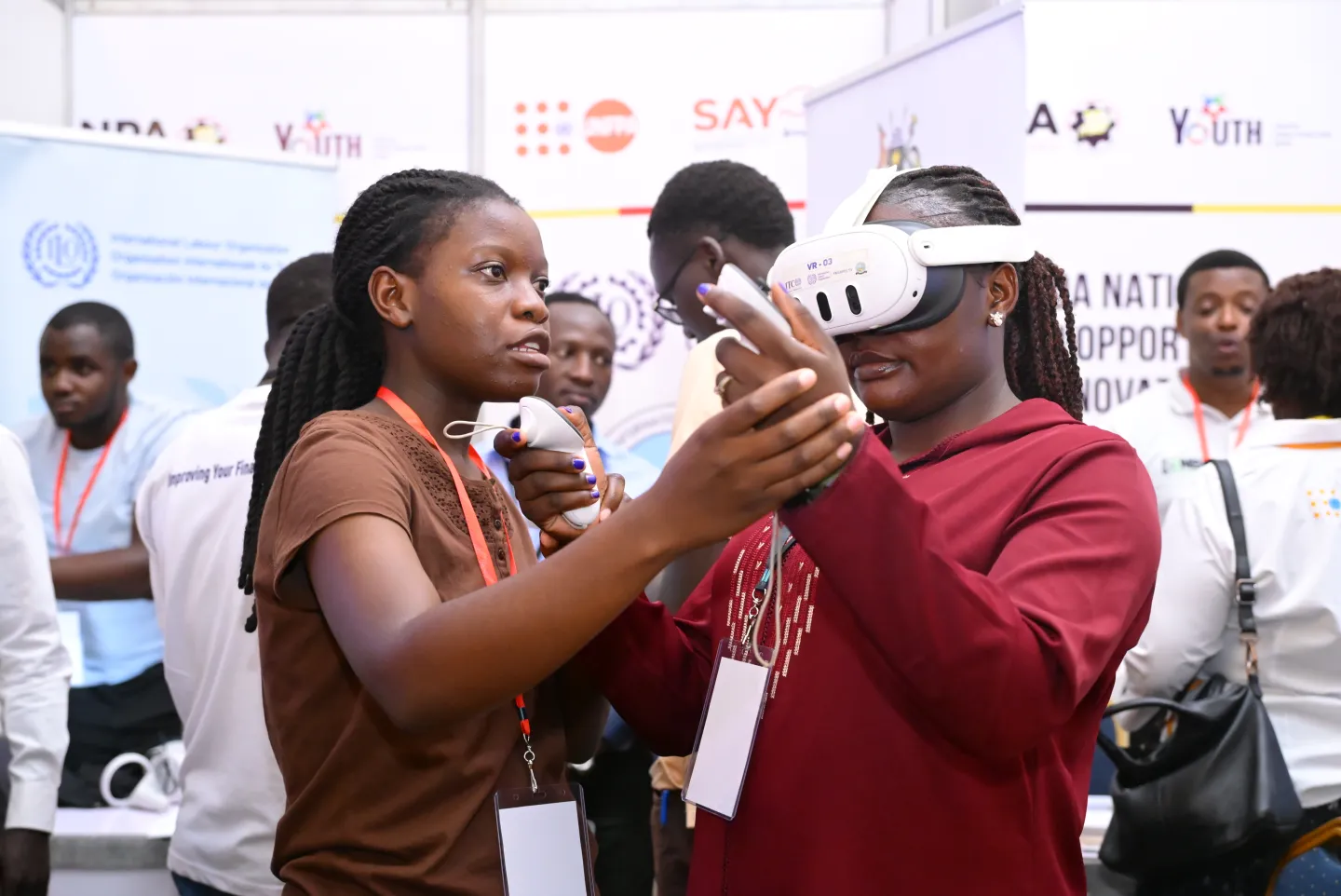
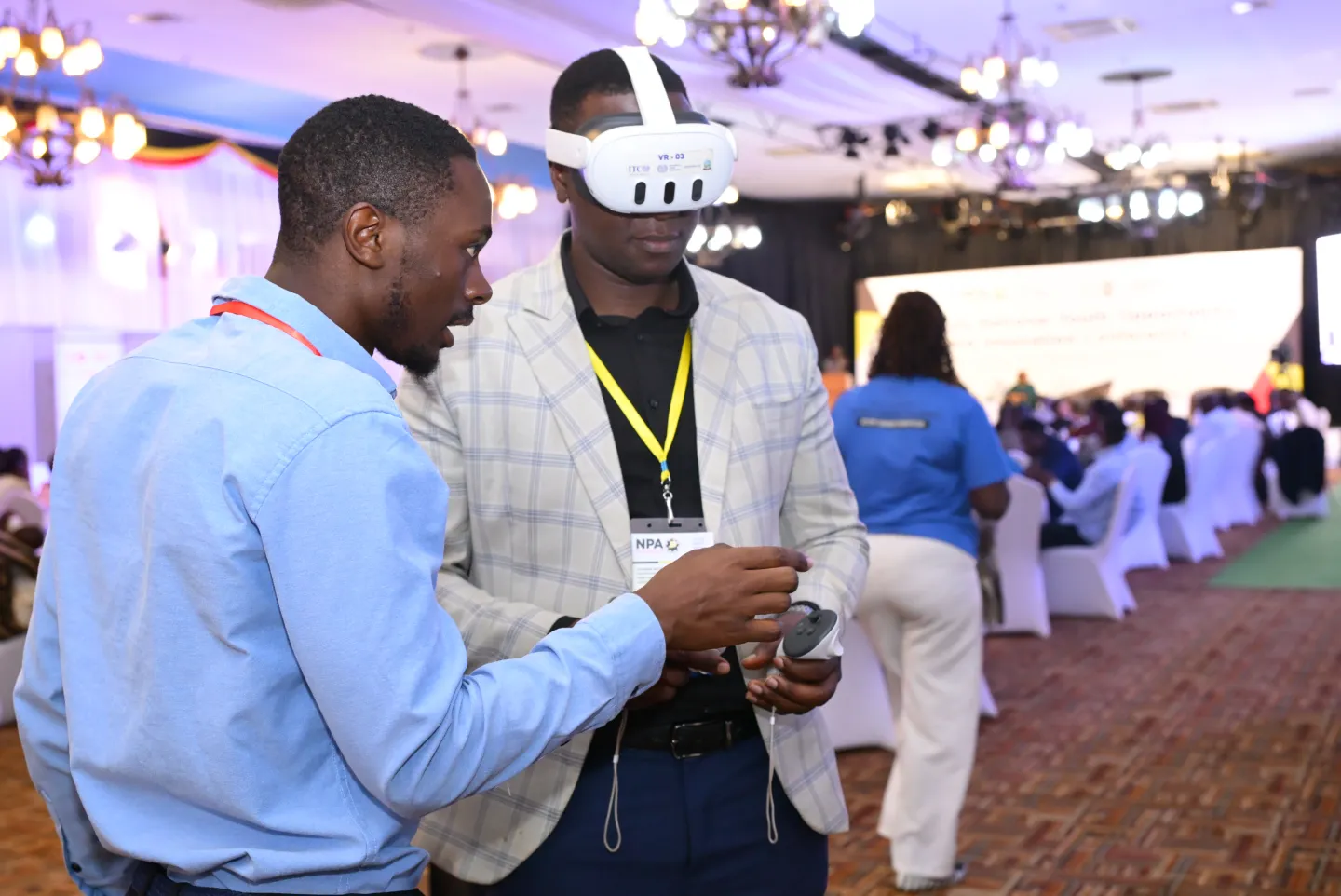
At UNYOIC 2026, youth representatives invited from different districts across Uganda experienced Workverse first-hand.
For Charity Kisakye, one of the youth representatives, the experience highlighted how VR could help young people build confidence before entering the workplace.
"This is a great experience that gives out the skills on how to communicate, on how to answer the interviews, know yourself more, get the confidence," she explained.
Bringing learning opportunities closer to young people
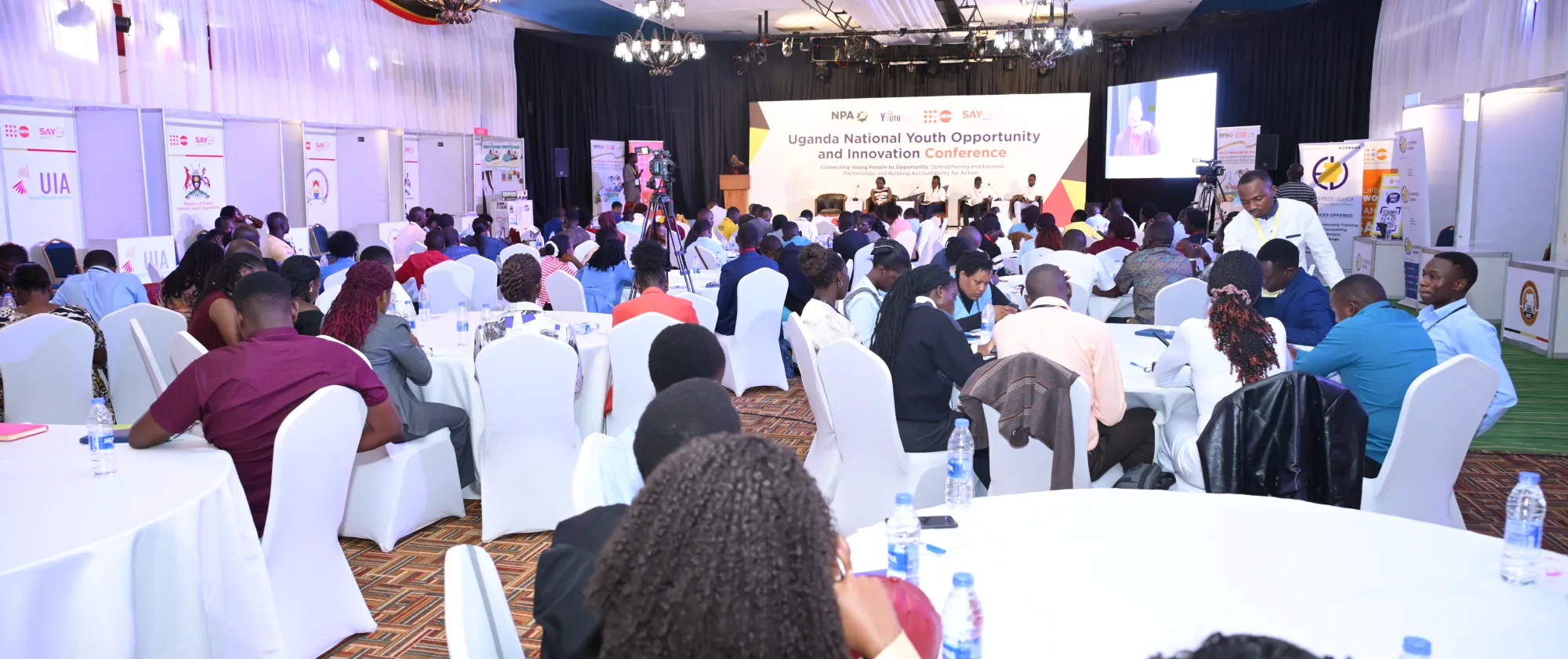
The two-day conference was convened by Uganda's National Planning Authority (NPA), in collaboration with the Population Scientists' Association and the United Nations Population Fund (UNFPA). It brought together young people and stakeholders to explore opportunities in technology, innovation, education and employment.
Donald Byaruhanga, another invited youth representative, was impressed by how quickly he could interact with the virtual environment. He saw its potential to extend training opportunities beyond major urban centres.
"Somebody who is in Abim district [northern Uganda], with this technology, we could now have trainings happening across the country," he said.
Making innovation more inclusive
For Mercy Namulondo, also attending as an invited youth representative, Workverse highlighted the possibilities of making learning more accessible, particularly for persons with disabilities and young people who face difficulties travelling to access opportunities.
"As the young people of this country, we think we can do a lot. This is an opportunity for us that we can change our lives through this Workverse," she said.
For the ILO and its partners, these perspectives are essential to shaping an initiative that responds to young people's needs.
As Melissa Kyeyune, National Project Coordinator for Digital Skills and Microwork under ILO PROSPECTS, explained:
"It is this kind of direct engagement with young people that gives innovation its value and relevance. We are grateful to have participated in UNYOIC 2026 and to have gained these invaluable insights directly from the youth leaders."
The conference also highlighted the importance of turning opportunities and commitments into meaningful results.
As the National Planning Authority emphasised:"The success of UNYOIC 2026 will be judged by the number of commitments achieved in the declaration made that day by the youth leaders as champions for stronger partnerships, improved access, reduced barriers and better outcomes for young people."
By combining innovative learning, national training capacity and young people's feedback, Workverse is exploring how technology can help make skills development more practical, accessible and inclusive.
Relevant projects
ILO-Netherlands Partnership
Partnership for improving prospects for forcibly displaced persons and host communities (PROSPECTS) in Uganda
Programme
Partnership for improving prospects for forcibly displaced persons and host communities (PROSPECTS)