

ILO–OECD–WHO Working for Health programme
Health workers in Malawi benefit from safer workplace practices
Malawi is improving safety and working conditions for health workers with the support of the ILO. Practical, participatory solutions are implemented, helping reduce risks, strengthen workplace practices and support better quality care across pilot facilities.
27 April 2026
Addressing workplace hazards to protect health workers
Malawi’s health system faces persistent challenges, from workforce shortages to limited resources and uneven service quality, especially in rural areas. Through the ILO–OECD–WHO Working for Health Programme, Malawi has taken concrete steps to improve working conditions, strengthen skills systems, and promote safer, healthier workplaces for health workers in four pilot health facilities.
'ILO-WHO HealthWISE toolkit' implementation
HealthWISE is a practical, participatory quality-improvement tool that supports health facilities enhance workplace practices across occupational safety and health, personnel management, and environmental health. Its Action Manual and Trainers’ Guide combine hands-on learning and real workplace action.
In 2024, the ILO trained 40 health workers from four facilities—Ntchisi District Hospital, Mponela Rural Hospital, Chezi Health Centre, and Salima District Hospital—as Trainers of Trainers on the HealthWISE approach. Participants, ranging from nurses and lab technicians to messengers and security staff, learned to identify hazards, improve workflows, and lead improvements to their everyday working environments.

In Mponela Health Center
Advanced ergonomic risk management and worker well-being
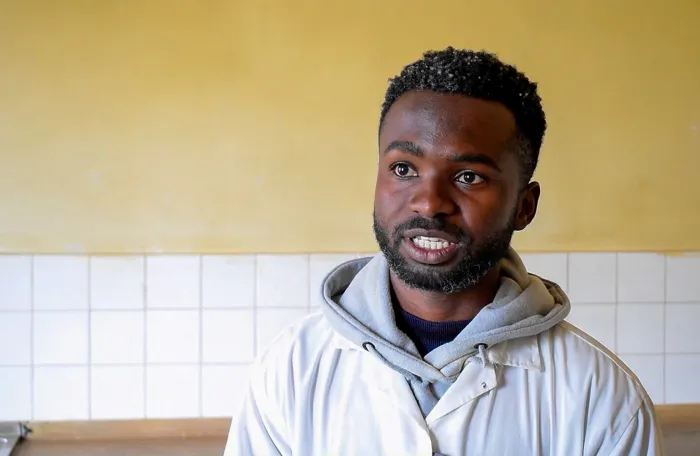
In Ntchisi district hospital
Enhanced waste management and protective equipment

In Salima district hospital
Improved quality and safety in the laboratory

In Chezy health centre
Greener and healthier health facility
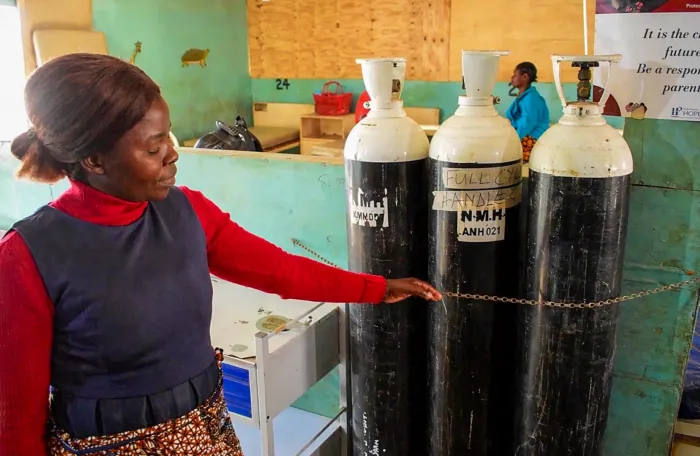
In Mponela health center
Improved equipment and safer patient handling