

Circular economy
Green Jobs in the Maasai Mara empower women and youth
A new circular economy initiative in Kenya’s Maasai Mara is creating green jobs for women and young people while protecting one of the world’s most treasured ecosystems.
22 September 2025
The tourism sector is a vital engine of economic growth. As destinations like the iconic Maasai Mara grapple with the environmental impact of their success, there is a clear and urgent need to build a more sustainable future. For the International Labour Organisation (ILO), this challenge is also a profound opportunity to create decent work, foster social justice, and integrate youth and women into a growing green economy.
At the centre of this transformation is the JW Marriott Maasai Mara Lodge’s Eco-Innovators initiative, which has introduced a circular waste management system that reduces environmental impact while generating new income streams for the local community.
From waste to opportunity
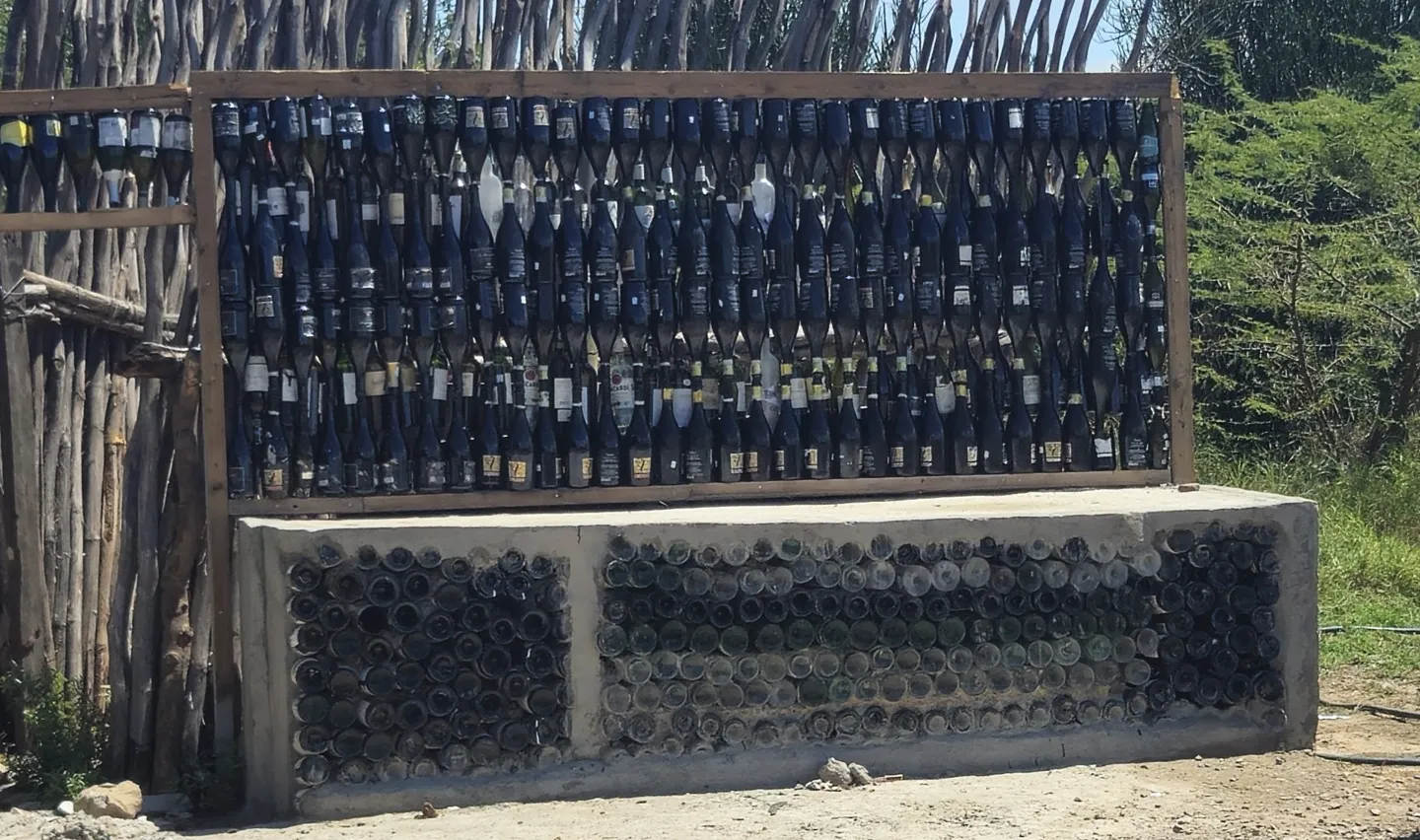
Traditionally, waste in the Mara has been managed under a “take-make-dispose” system that strained ecosystems and placed disproportionate responsibility on women. The Eco-Innovators initiative, run by the Lazizi Welfare Foundation, offers an alternative model based on reuse and recycling.
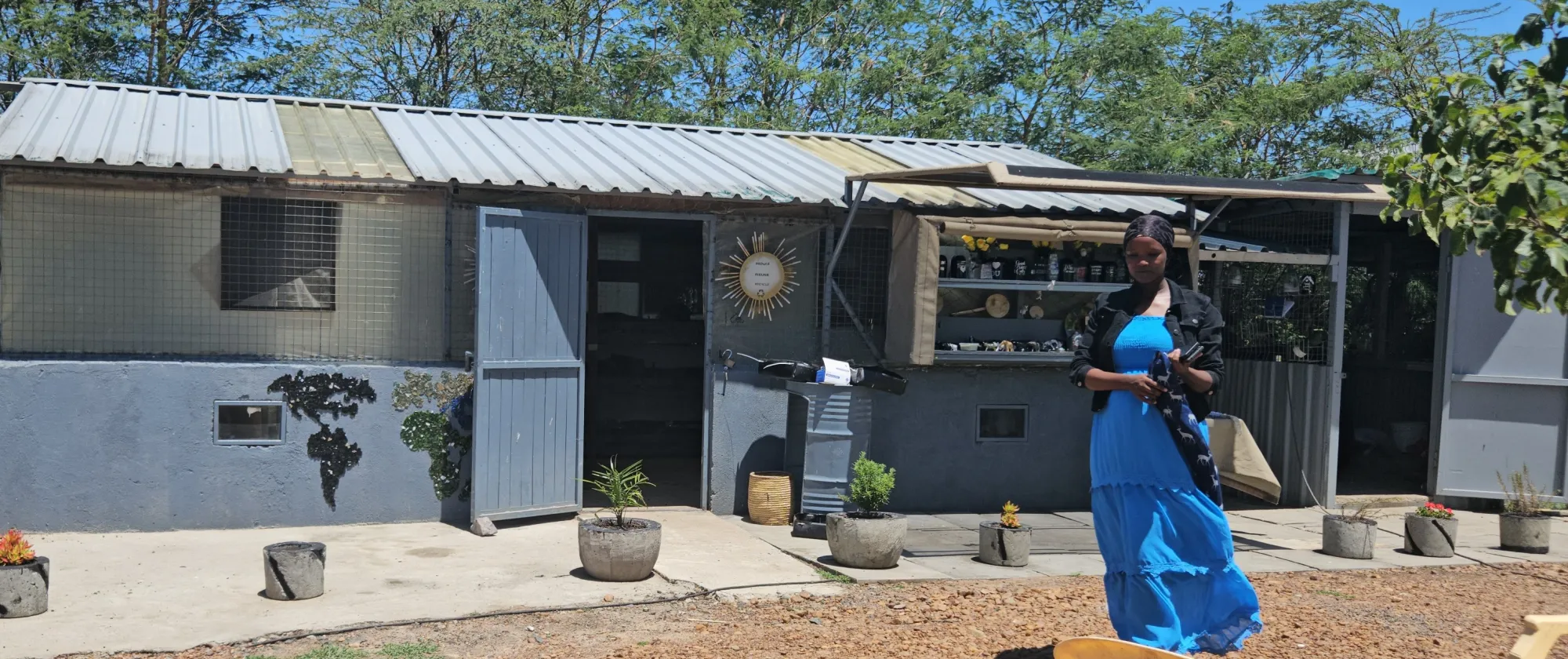
At the core of the project is the Treasure House facility, which uses Black Soldier Fly larvae to convert organic waste into organic fertilizer and protein-rich livestock feed. This process reduces the volume of waste while creating valuable products that support local agriculture.
In addition, the project recycles glass, metal and plastic, creating a circular economy that views waste as a resource. Partnerships with women’s and youth groups ensure that local people play a central role in managing the system and benefit directly from new jobs and skills.
Empowering women and youth
Tourism is the backbone of the Mara’s economy, but women and young people are often excluded from its economic benefits. Many women have been engaged in informal waste handling, often unpaid and unsafe. The new system is changing this dynamic by creating dignified, paid jobs in waste collection, sorting and recycling.
By formally recognising and rewarding women’s contributions, the initiative promotes gender equality and empowers women to take leadership roles in a growing green economy. Young people also gain opportunities to develop skills that can lead to sustainable livelihoods. By working directly with women and youth, the Eco-Innovators model ensures that those who were previously at the margins of the tourism economy are now at the centre of change.
A sustainable model for tourism
The Lazizi Welfare Foundation also provides services for other flagship eco-lodges, including the Ritz-Carlton Masai Mara Safari Camp, highlighting its potential as a scalable model for the tourism sector.
For businesses, the benefits go beyond environmental stewardship. By prioritising sustainability, hotels protect the natural landscapes that attract visitors while strengthening local economies. For communities, the model demonstrates that social justice and environmental protection are inseparable.
ILO specialists on environment and decent work note that the project illustrates how decent work can be created in the green economy when enterprises, communities and development partners collaborate.
Sustainable tourism is not only about conserving the environment or greenwashing. It is about ensuring that local communities, particularly women and young people, have a fair share of the benefits and are involved in creating sustainable business practices.
ILO representative
Building resilience for the future
The long-term success of tourism in the Mara depends on the health of its ecosystems. By investing in waste management and inclusive employment, the Eco-Innovators initiative strengthens resilience against both environmental and economic shocks.
The initiative reflects the principles of the International Labour Organisation: promoting decent work, advancing social justice, and ensuring that transitions to greener economies are inclusive and equitable.
As Kenya and other countries expand sustainable tourism, the Maasai Mara experience provides valuable lessons. Transforming waste into opportunity shows that sustainability can be a “triple win” – protecting the environment, empowering communities and sustaining the future of tourism.
Relevant projects
Public-private development partnerships for inclusive decent employment and productive livelihoods