

A focus on community-led monitoring efforts in cocoa and gold supply chains
20 September 2024
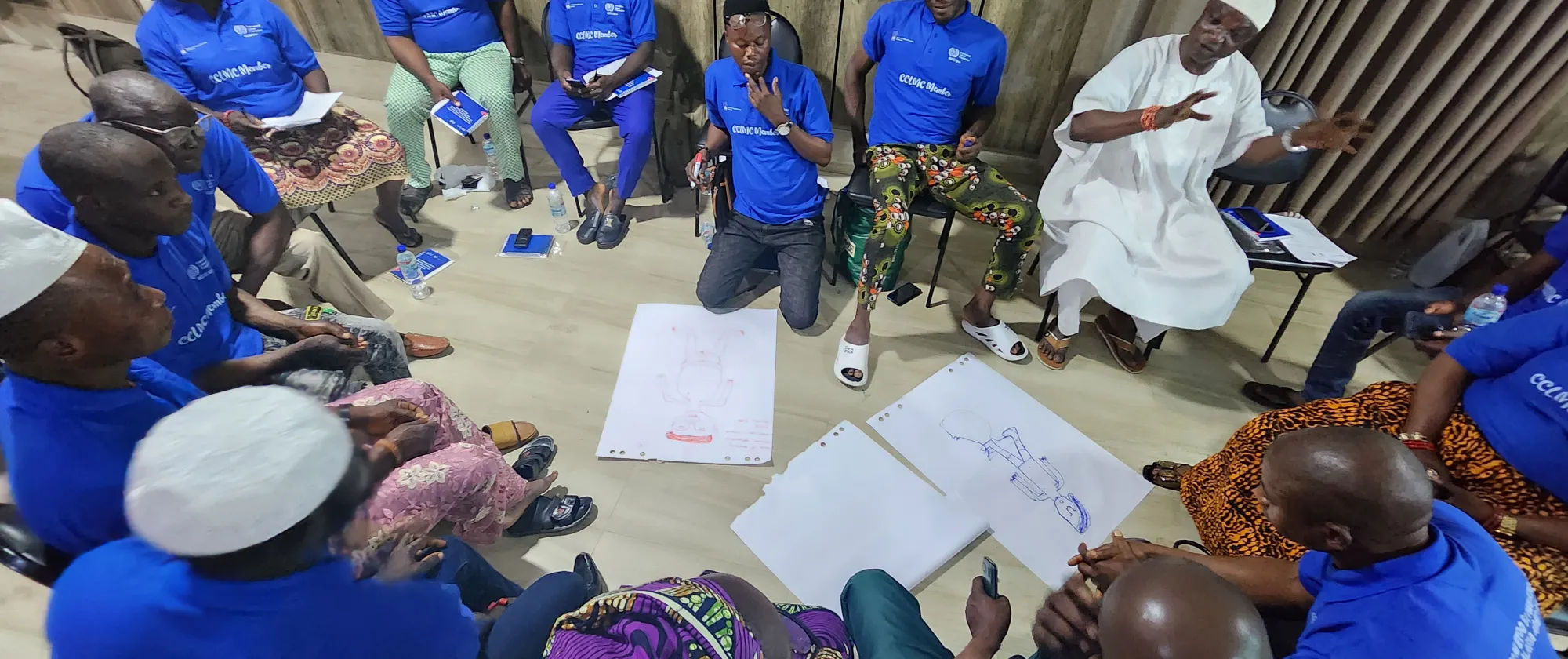
Osun (3-6 September 2024), Ondo (10-13 September 2024) Niger (23-26 September 2024), Nigeria – With the establishment of Community Child Labour Monitoring Committees (CCLMCs) across 16 communities in Ondo, Osun, and Niger states, the ACCEL project aims to create a sustainable, community-driven response to protect children and ensure safe, fair working conditions, the ACCEL Africa project took a significant step forward in the fight against child labour and on empowering communities in two key supply chains: cocoa and artisanal small-scale gold mining (ASGM) in Nigeria.

In Nigeria, despite commendable efforts to address the issue, child labour remains deeply entrenched, particularly in rural areas. A 2021 survey by the National Bureau of Statistics found that 31% of children aged 5-17 are involved in child labour, with a staggering 42% prevalence in Niger State alone. The ACCEL Africa project builds on these alarming statistics, focusing on supply chains where child labour is most prevalent.
Nigeria ranks as the fourth-largest cocoa producer globally, and the industry heavily relies on child labour, with 98.5% of children in cocoa communities involved in production activities, including hazardous tasks. Similarly, children in the ASGM sector face extreme risks, working in dangerous conditions as miners, transporters, and even operators in smelting processes.
The role of Community Child Labour Monitoring Committees (CCLMCs)
The second phase of ACCEL Africa adopts a systems-building approach to tackle the root causes of child labour. At the heart of the initiative are the Community Child Labour Monitoring Committees (CCLMCs), which are designed to mobilize local efforts to monitor, prevent, and respond to child labour cases. These committees are established in collaboration with community leaders, representatives from women's groups, youth leaders, and local teachers to ensure inclusive participation and ownership.
The ACCEL Africa project recognizes that addressing child labour requires more than policy frameworks. A key focus of the project is training local community members to take an active role in child labour elimination. In a series of workshops held in Akure (Ondo State), Oshogbo (Osun State), and Minna (Niger State), over 100 participants from various backgrounds were trained on topics including child protection, child labour laws, and the risks faced by children in the cocoa and gold sectors.
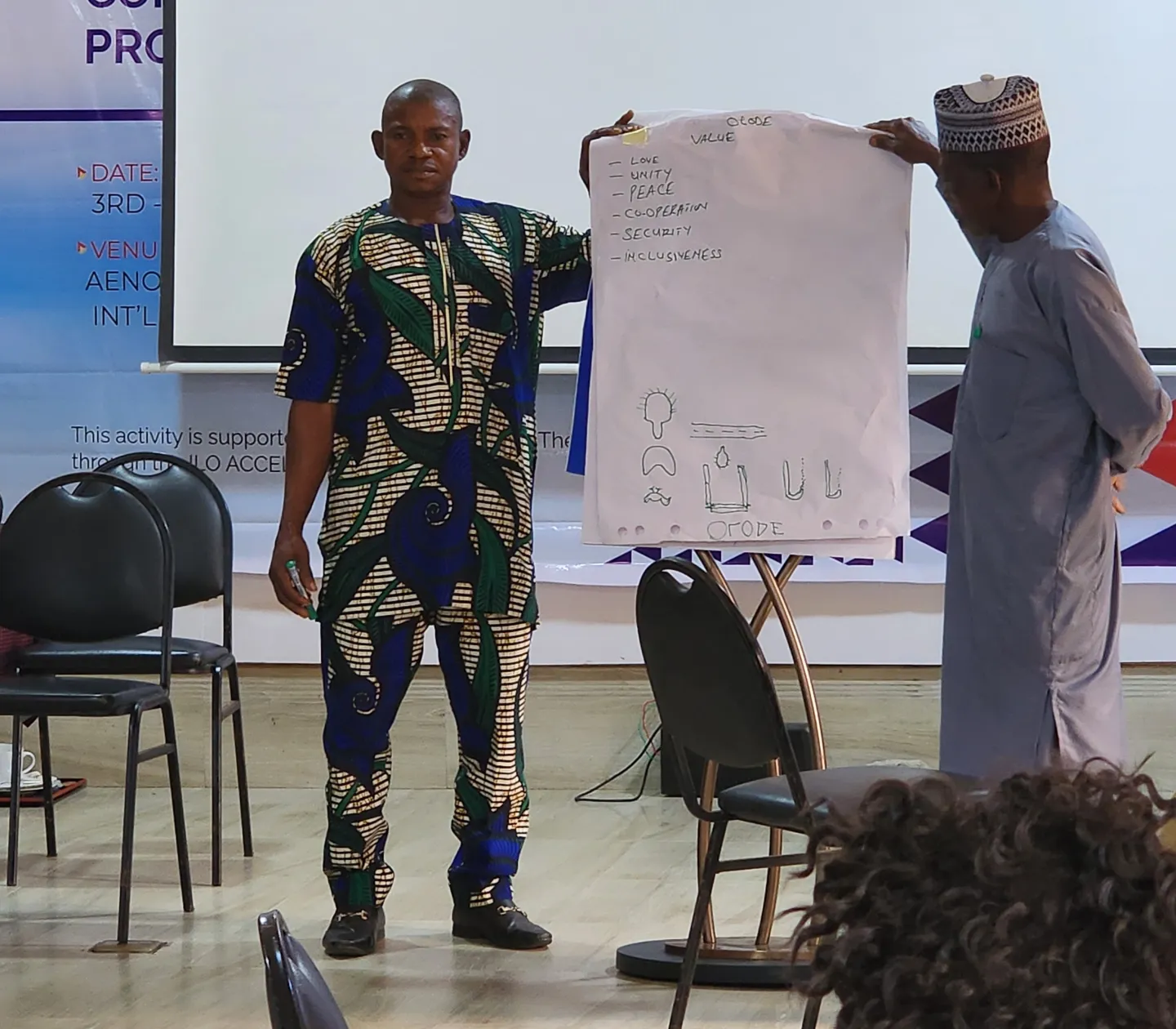
The workshops, facilitated by experts from the ILO, the Federal Ministry of Labour, and child protection specialists, used a participatory approach to ensure that participants not only received training but also contributed their local knowledge and experiences. These training sessions equipped CCLMC members with the tools to monitor and report on child labour violations, engage their communities in awareness-raising activities, and build partnerships with local authorities to ensure swift responses to child labour cases.
By the end of September 2024, 16 CCLMCs will be fully operational, actively working to eliminate child labour in their respective communities. These committees will play a crucial role in ensuring the sustainability of ACCEL Africa’s interventions, particularly in areas such as social protection, occupational safety and health (OSH), and youth employment.
In addition to the work of the CCLMCs, ACCEL Africa continues to strengthen Nigeria’s legal and institutional frameworks. The project supports the revision of the Hazardous Work List and advocates for the expansion of social protection coverage, which currently only reaches 11% of the population. Through these combined efforts, ACCEL Africa aims to create a safer, more equitable future for children in Nigeria’s cocoa and gold industries.
Relevant projects
Feasibility study and design of an impact bond to reduce child labour in Côte d’Ivoire