

Migrant fishers
Fishers brace for climate change hazards
Rising tides and changing weather make it harder for fishers to face risks at sea, highlighting the need for safety and health at work and anticipatory action to protect their lives and livelihoods.
6 March 2025
MANILA (ILO News) - Climate change increases hazard and makes fishing dangerous, considered as one of the most difficult jobs. To ensure the safety of their lives and livelihoods, fishers must prepare ahead in the face of changing weather trends and increasing waves.
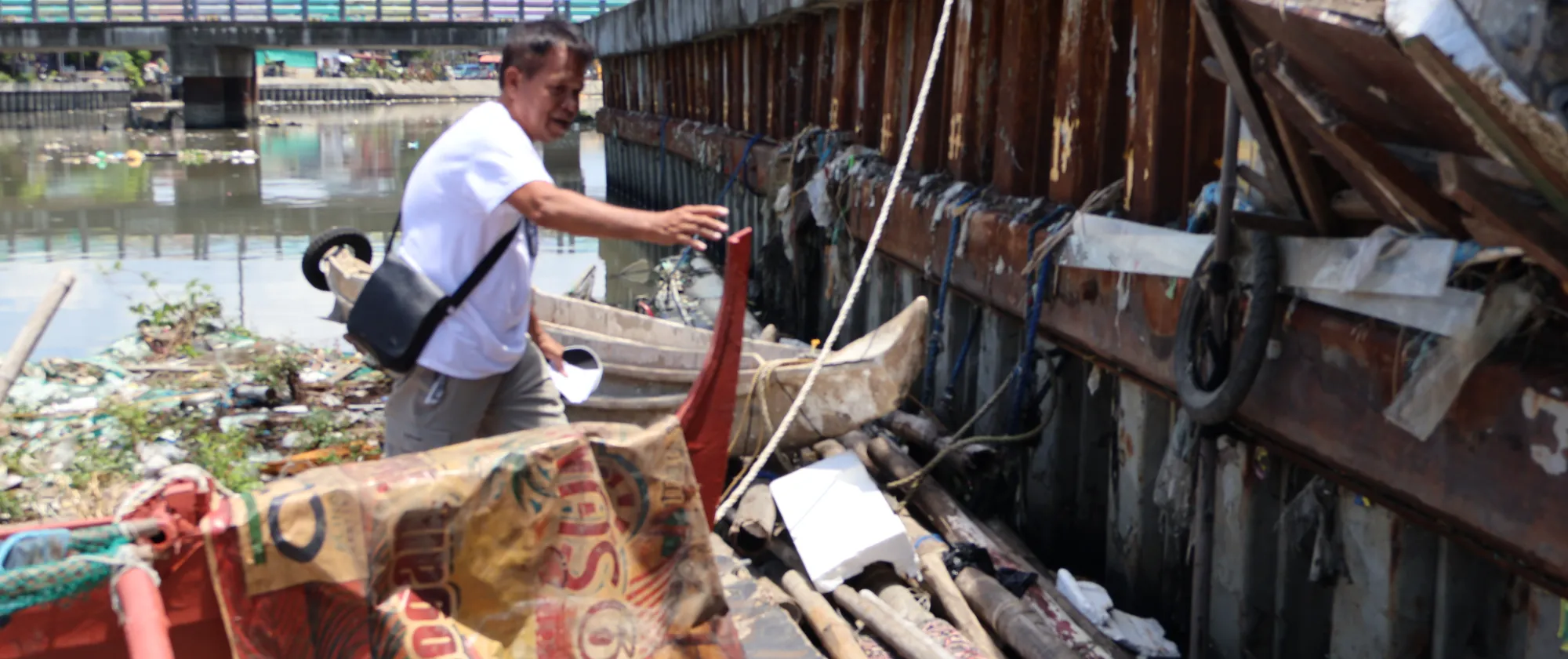
Crisanto Galauran, a fisher from the Philippines, shares the risks that come with every day. “If the weather is bad or the currents are strong, we cannot sail and catch fish because our small boats might sink in rough seas. We no longer go into high seas because we risk losing money or spending too much on gasoline, so we have to stop.”
To deal with these challenges, it is vital to plan ahead and act on forecasts, early warnings, and pre-disaster risk analysis. This preventive approach can help keep fishers, their vessels, and their livelihoods safe from the adverse effects of climate change.
Fishing vessels, often far from medical assistance during prolonged sea journeys, require fishers to be trained in basic lifesaving skills and occupational safety to avoid the worst outcomes. Occupational Safety and Health (OSH) standards are crucial in such confined workspaces, preventing accidents and injuries.
Through its Ship to Shore Rights South-East Asia initiative, the International Labour Organization (ILO) has developed a Migrant Fisher Information Package and the Safety and Health at Sea interactive board game for fishers.
Ship to Shore is a multi-country, multi-annual initiative joint programme of the European Union (EU) and the United Nations (UN), implemented by the ILO in partnership with the International Organization for Migration (IOM) and the United Nations Development Programme (UNDP).
Fishers can get important safety information and training from these tools, which help them prepare for risks they face at sea.

Learning how to stay safe at sea begins on land. Being aware, ready and prepared are key. “I learned the importance of good health. I will assess if I can work under extreme heat or cold conditions. I hope for a good catch so that when we return home, we can earn enough to feed our families, which means a lot to us,” Crisanto explained. “It makes all of our sacrifices worthwhile.”
Strict compliance with OSH standards and anticipatory action are crucial in the fishing industry for ensuring fishers' protection and productivity. By preventing accidents and injuries through OSH measures, fishing vessels can minimize downtime and maintain a healthy, efficient workforce.
As climate change continues to affect the fishing industry, fishers will need to take precautions and get safety training to protect their lives and livelihoods.
Relevant projects
Ship to Shore Rights South East Asia - Indonesia

Migrant workers
Ship to Shore Rights South East Asia (SEA)