

Child Labour
Extension officers and parasocial workers join forces against Child Labour
My name is Paul Kiyemba and I serve as the District Production Officer for Kalungu District. Every day, our team of 34 extension officers work closely with farming communities, which places us in a unique position to identify and address child labour in the coffee value chain.
8 September 2026
Uganda (ILO News) - A key aspect of our work involves collaborating with para-social workers and other community structures to identify children engaged in child labour. The CLEAR Supply Chains project has strengthened the capacity of 7 district agricultural extension officers on child labour prevention and improving occupational safety and health (OSH) in the coffee value chain.

Today, extension officers apply this knowledge by conducting farm inspections and monitoring activities across the coffee value chain, including at bulking centres and processing facilities, to identify child labour risks and unsafe working conditions.
" The collaboration between extension officers and parasocial workers has significantly improved our ability to identify and refer child labour cases. Communities are becoming more aware of the risks of child labour, and more children are receiving the support they need to remain safe and stay in school." Paul Kiyemba, District Production Officer, Kalungu District.
We remain vigilant for situations where children may be engaged in hazardous or inappropriate work during our interactions with farmers, traders, and other stakeholders in the coffee sector.
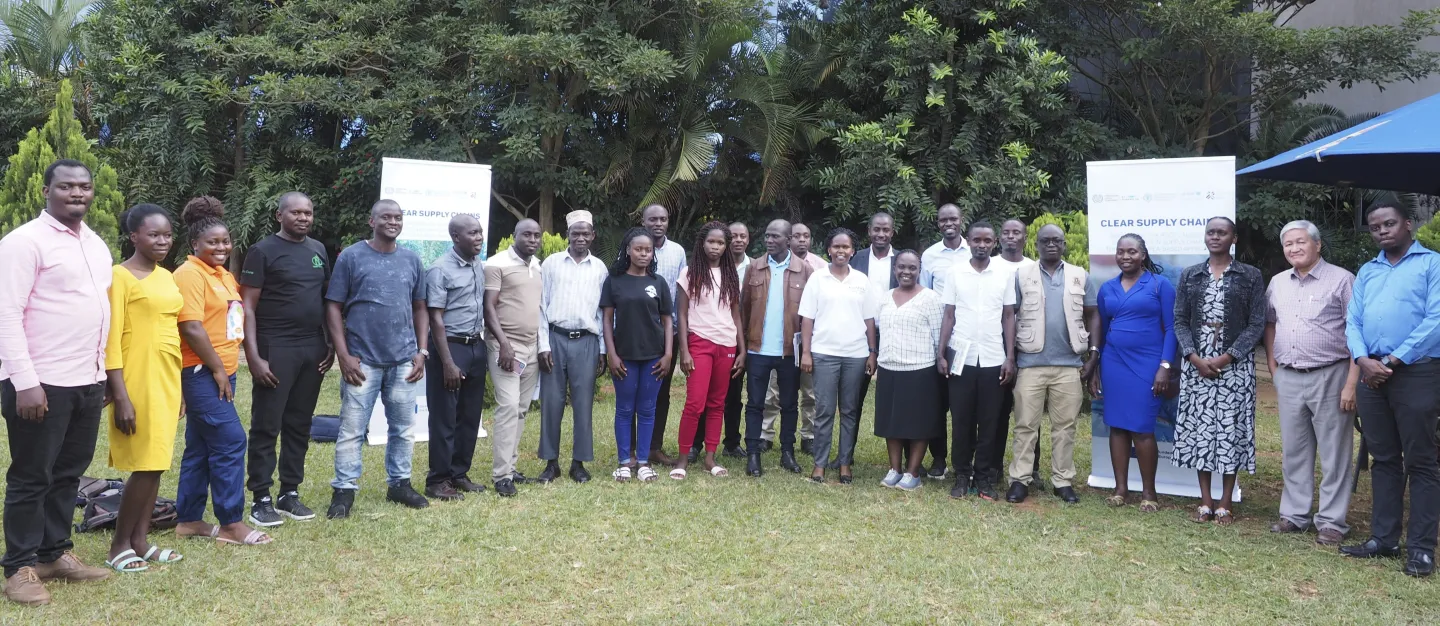
When a child labour case is identified, extension officers document key information, including the child's name, location, and the nature of the work, before referring it to parasocial workers for further documentation and case management. Where necessary, cases are escalated through established referral pathways for additional support.
Our role does not end there. Extension officers are active members of Child Wellbeing Committees at the sub-county level, where monthly meetings are held with other sector stakeholders to discuss child protection concerns. We also participate in joint monitoring visits to farms, households and schools to help ensure that children remain in school and are protected from harmful work.
While significant progress has been made, more needs to be done to sustain these efforts. The project currently operates in Lwabenge and Kyamulibwa sub-counties, yet child labour remains a challenge across the district. Expanding interventions to the remaining four sub-counties would enable more communities to benefit from raising awareness, monitoring and referral services.
I also believe that parents and guardians require continued sensitization on child labour. In many communities, there is often confusion between engaging children in age-appropriate household or farm tasks and exposing them to child labour. Helping families understand this distinction is essential to protect children while preserving positive forms of learning and skills transfer within farming households.
Related content

Child labour
CLEAR Supply Chains: Ending child labour in supply chains
Relevant projects
Child labour
CLEAR Supply Chains: Ending child labour in supply chains