

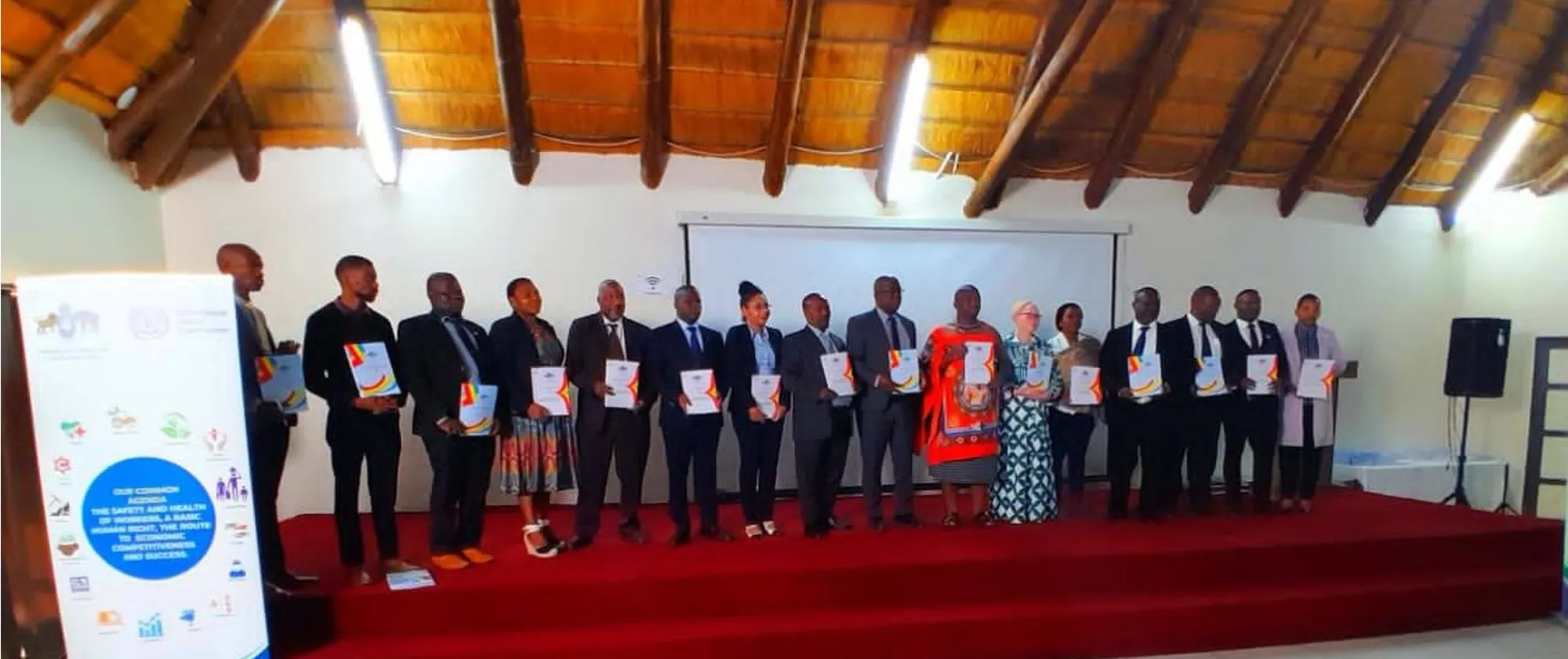
Eswatini launches 2023 Labour Force survey, sets benchmark in Labour Market data
16 May 2025
Eswatini has taken a major step in strengthening its labour market information with the launch of the 2023 Labour Force Survey (LFS) and a dedicated youth labour market report.
The International Labour Organization (ILO) commends the government and partners for successfully implementing the survey, analysing the data, and producing high-quality, policy-relevant outputs.
The survey, conducted using international statistical standards—namely the 19th and 20th International Conference of Labour Statisticians (ICLS) Resolutions—provides in-depth insights into employment, unemployment, underemployment, and labour underutilization.
Findings show that unemployment remains a key challenge, rising slightly from 33% in 2021 to 35.4% in 2023. Alarmingly, 52.5% of the unemployed have been without work for a year or more, with youth disproportionately affected. The data also highlights that 11% of the employed are underemployed, working less than 35 hours a week but willing and available to work more.
The survey offers new insights into self-employment and work relationships, identifying high-risk groups such as those operating unincorporated enterprises. It also reveals low levels of worker organization affiliation, with 66% of employees not affiliated with any workers’ organization.
The youth report provides a focused analysis on the challenges facing young people, especially those outside the labour force. It urges policymakers to review regional employment strategies and address barriers preventing youth from entering the labour market.
Through the SAMM project, ILO provided financial support for the implementation of the survey. More specifically, the support contributed to the labour migration questions which allowed the country to produce labour migration indicators for migrants and non-migrants.
In addition, the ILO offered technical expertise for analyzing the data, developing labour market indicators, and producing the final report. The ILO also helped fund the official launch of the reports, ensuring the findings reached a wide audience.
The ILO reaffirmed its support for Eswatini’s ongoing efforts, including the production of thematic reports on informality and persons with functional limitations. These advances position Eswatini as a leader in labour market data in the region.
This is more than data—it’s a foundation for action,” said the ILO DWT/CO Director Mr Alexio Musindo. “We are proud to support Eswatini in turning evidence into impact.”