

Advancing Dialogue and Governance in the World of Work
Eswatini’s Labour Advisory Board moves to strengthen tripartite dialogue through new rules of procedure
30 May 2025
In a significant step toward strengthening social dialogue and effective tripartite cooperation, Eswatini’s Labour Advisory Board (LAB) has adopted a resolution to reinitiate and finalise the development of formal Rules of Procedure to guide its operations.
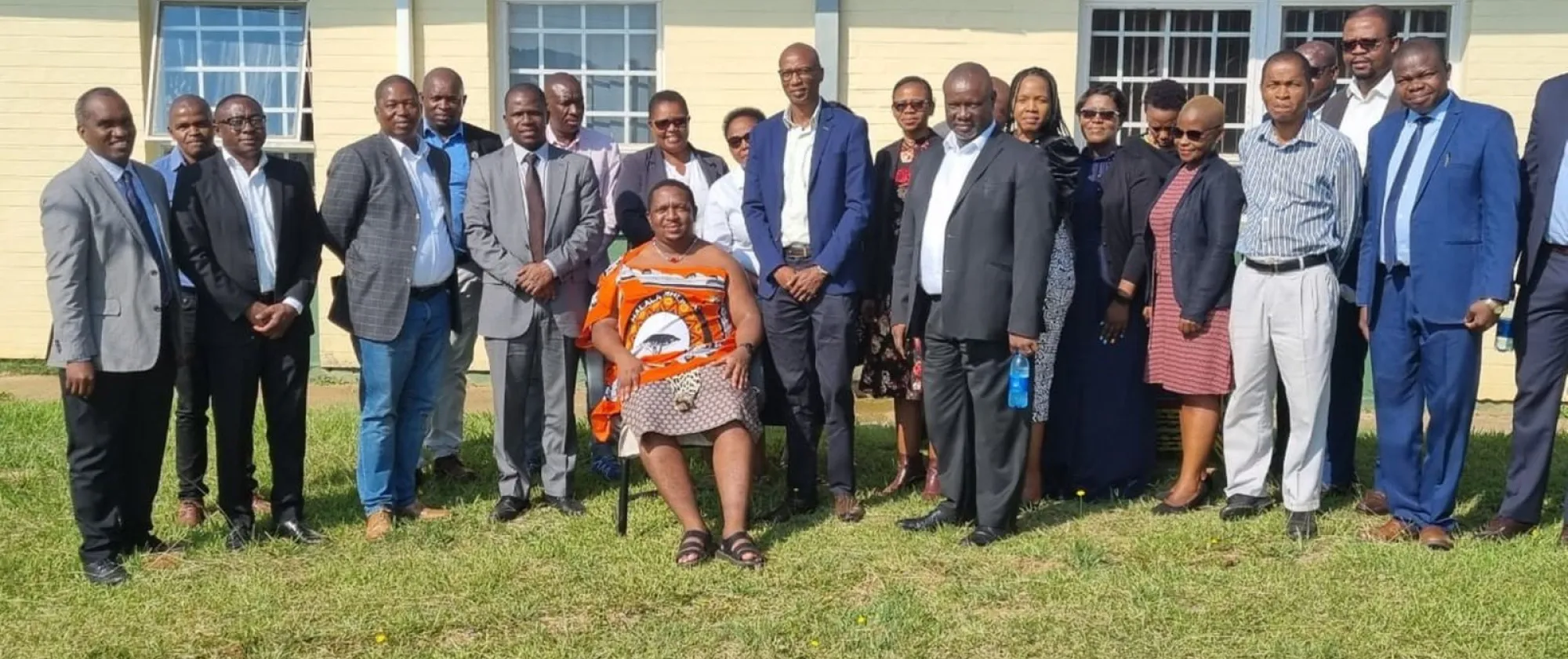
The decision was taken during a special sitting of the LAB held on 29 April and 12 May 2025 at the Eswatini College of Technology. This is followed by extensive consultations prompted by proposals from Business Eswatini (BE), aimed at improving the LAB’s governance and functioning.
Business Eswatini’s proposals called for enhanced constituency compliance, stronger representation, improved consensus-building, and more robust consultation procedures aligned with the International Labour Organization’s (ILO) Tripartite Consultation (International Labour Standards) Convention, 1976 (No. 144). The call also emphasised the need to formalise the LAB’s Rules of Procedure, which had remained in draft form since 2018.
While internal efforts to address these concerns had been ongoing, meaningful progress was made during special meetings facilitated by the Ministry of Labour and Social Security (MLSS) and LAB Officers. These sessions, led by the Chairperson (Commissioner of Labour) and supported by the Vice-Chairpersons representing Employers and Workers, provided a constructive platform that brought the parties closer to consensus.
Efforts to draft the Rules of Procedure began as early as 2016, with a committee-developed draft completed in 2018. However, the rules were never formally adopted by the LAB. Hence, the new resolution seeks to revive and complete this process with urgency, aligning it to current needs and international best practices.
A six-member Drafting Committee was appointed, with equal representation from Government, Employers, and Workers. For the first time, both the Federation of Eswatini Business Community (FESBC) and the newly registered Business Federation of Eswatini (BUFE) will participate alongside BE, reflecting increasing pluralism in the employers’ constituency and willingness to address recommendations by the ILO supervisory bodies.
The Committee was mandated to complete its work within two months, drawing from the 2016–2018 draft, BE’s submissions, and technical guidance from the ILO. Meanwhile, the LAB will continue operating as it had.
This decision represents a critical step in institutionalizing the LAB’s work and enhancing the quality of tripartite consultations in Eswatini,It reflects our commitment to dialogue, inclusivity, and international labour standards.” said the Ministry of Labour and Social Security’s spokesperson.
The ILO will continue supporting the Government and social partners to strengthen governance, social justice, and effective labour market policy in Eswatini.
