


Occupational safety and health
Ensuring a safe, healthy and child-labour-free work in production and the supply chain
In Viet Nam’s booming coffee and agricultural industries, safe and healthy working conditions and the prevention of child labour are more crucial than ever. A recent training initiative, led by the ILO and the Dak Nong Cooperative Alliance empowered farmers and cooperative leaders in the Central Highlands with practical tools to create safer and more decent workplaces.
7 November 2024
DAK NONG, Viet Nam (ILO News) – As the world’s second-largest coffee exporter, Viet Nam has made notable advancements in agricultural practices, boasting other key agricultural products such as rice, pepper, and fruit trees. Nevertheless, while improvements have been made, there remain challenges and room for further progress in ensuring farm worker’s safety and preventing child labour.
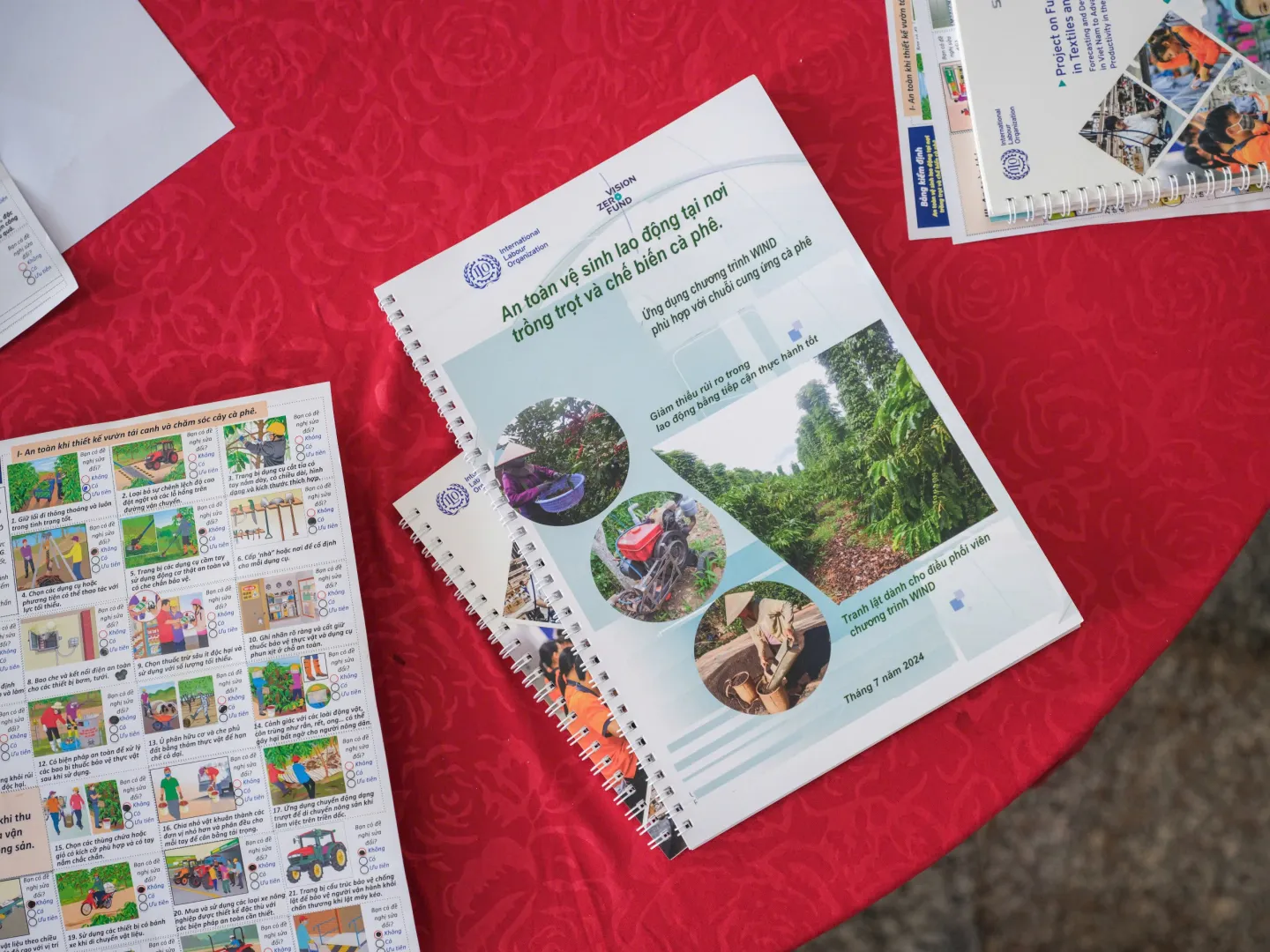
To provide support in addressing these issues, the International Labour Organization (ILO)’s Vision Zero Fund and ENHANCE*[1] projects in Viet Nam collaborated with the Dak Nong Province Cooperative Alliance to conduct a training course during 30 – 31 October 2024, in Gia Nghia, Dak Nong province. This course aimed to equip provincial cooperative officers and coffee cooperative owners with occupational safety and health (OSH) knowledge and tools to improve workplace safety and health using the ILO’s WIND**[2] methodology. Furthermore, the course equips the participants with fundamental concepts, standards, and legal regulations on child labour, along with preventive measures. It emphasises the crucial role and benefits of cooperatives in proactively preventing child labour in their operations. The training also welcomed participants from other sub-agriculture sectors, including rice, pepper, and fruits, as well as those in tourism and biological products.
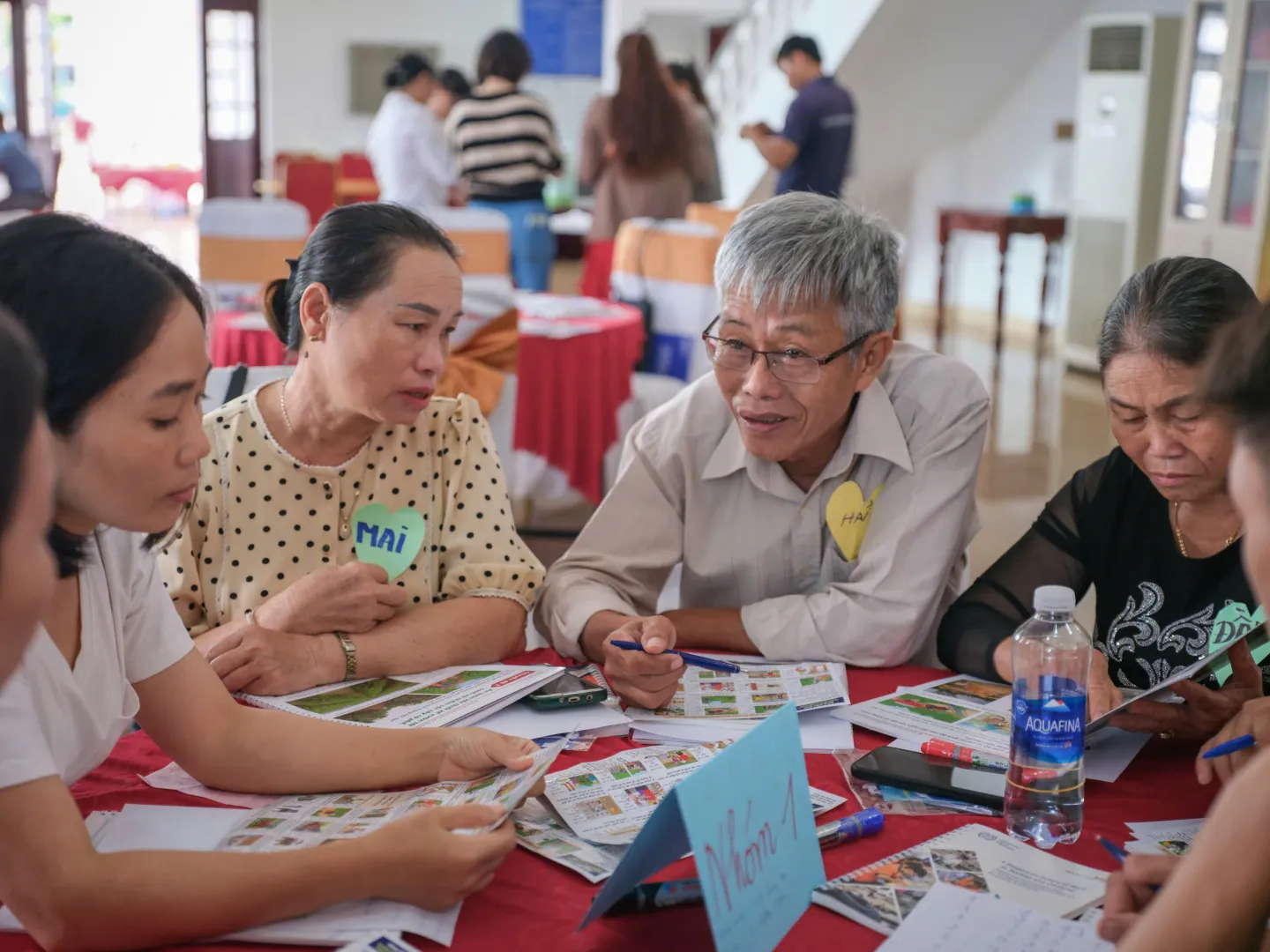
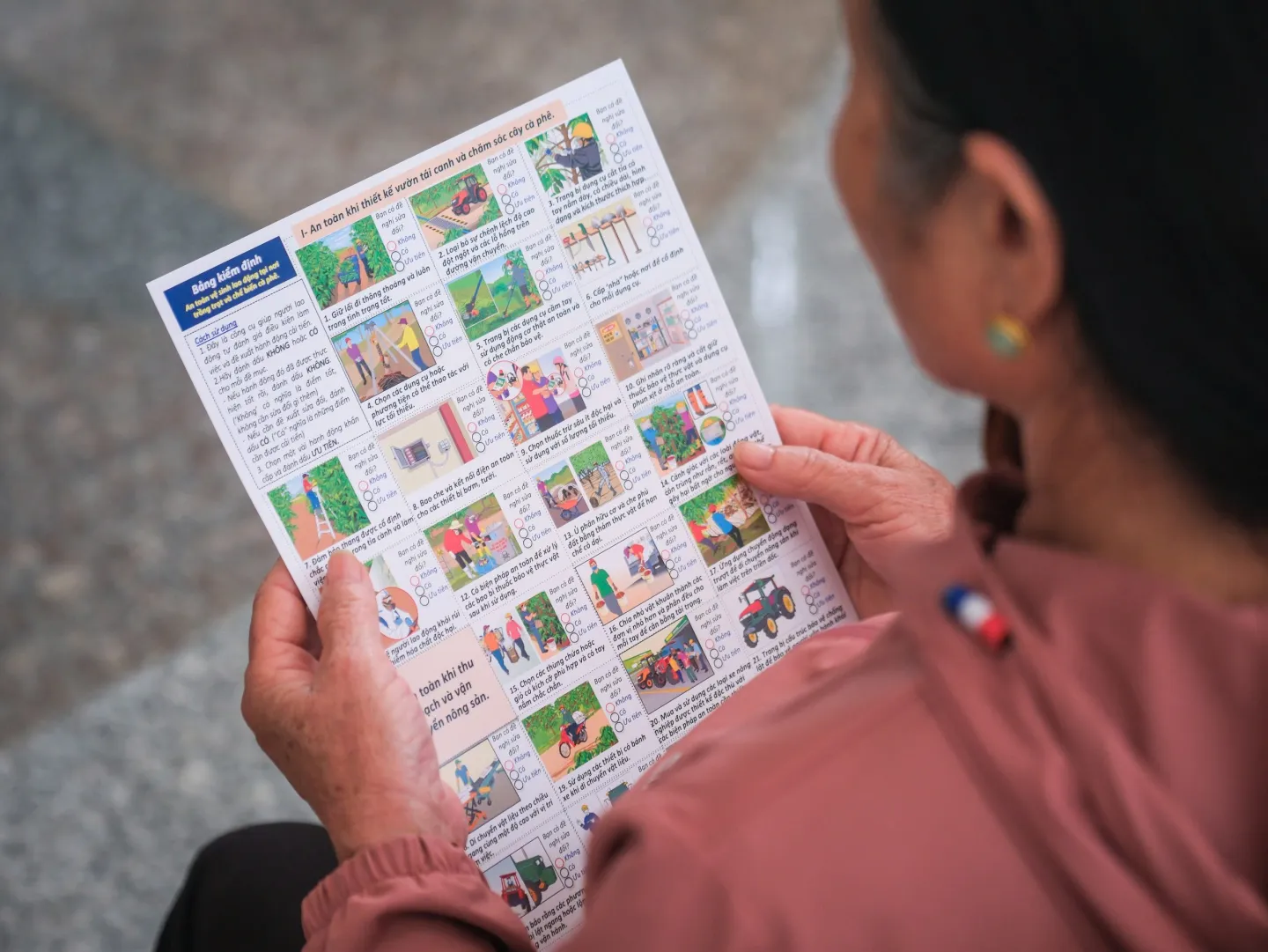
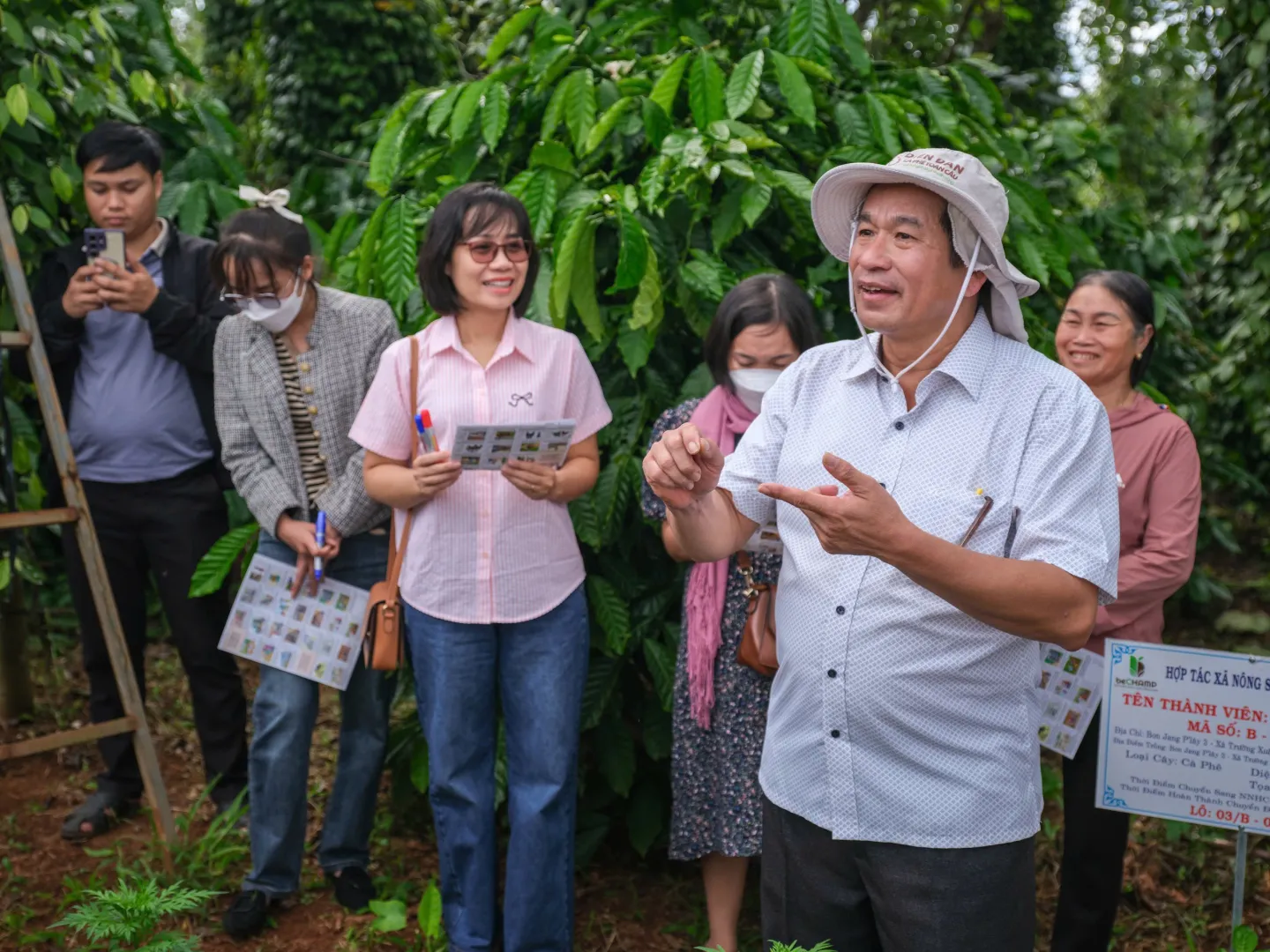
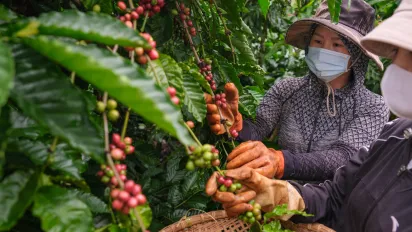
29 participants, among whom half were women, including representatives from the Central Highlands provinces of Dak Lak, Dak Nong, Lam Dong, Gia Lai, and Kon Tum, engaged in practical sessions and a field trip to evaluate OSH practices on coffee farms and processing sites. Using an OSH Action Checklist, they identified risks and potential improvements, with guidance from an ILO-trained OSH trainer. “This practical approach is easy to understand, easy to implement, and cost-effective,” said Vu Thi Huong, Head of the Green Highlands Service Cooperative, highlighting the WIND methodology’s accessibility.
During the training, participants also learned about OSH concepts and principles, as well as measures for eliminating child labour. This knowledge helps them minimize workplace accidents, reduce costs, and increase productivity. Besides, the participants were provided with methods for managing, checking, and monitoring the use of child labour in cooperatives. Concluding the three days, participants were able to develope action plans of child labour prevention and committed to implementing the OSH improvements in their cooperatives. These improvements range from simple organizational changes, such as arranging work tools, to more extensive projects like repairing roads to facilitate the transportation of agricultural products.
Nguyen Van Tien, Deputy Head of Policy and Propaganda Department, Dak Nong Province Cooperative Alliance, remarked, “The Cooperative Alliance holds ILO’s training courses in high regard for their reputation and quality. The professionalism of the course can be seen through in its well-structured programme, knowledgeable lecturers, and carefully crafted training materials.”
As Viet Nam continues to excel in coffee and agricultural production and exports, ensuring the safety and health of all workers and child labour free in the production chain becomes increasingly crucial, especially in the face of challenges like climate change. By striving towards a world of work free from serious injuries and fatalities, meeting the standards of new generation free trade agreements and international standards on child labour, the ILO, through its technical support, stands with Viet Nam on its journey towards sustainable development and decent work for all.



[1] * Enhancing National Capacity to Prevent and Reduce Child Labour in Viet Nam (ENHANCE)
[2] **Work Improvement in Neighbourhood Development. The WIND program consists of conducting training workshops with a participatory, action-oriented methodology to improve working and health conditions in work and living environments.
You may also be interested
Country portal
Viet Nam
Occupational Safety and Health
Improving Safety and Health in the Coffee Supply Chain in Viet Nam - a Vision Zero Fund Project

Child labour
Technical Support for Enhancing the National Capacity to Prevent and Reduce Child Labour in Viet Nam (ENHANCE)
Relevant projects
Ship to Shore Rights South East Asia - Indonesia
Migrant workers
Ship to Shore Rights South East Asia (SEA)