

Labour Migration in East and Horn of Africa
Enhancing the quality of TVET’s Programs in Ethiopia to better respond to Migrants need
The ILO BRMM monitoring missions conducted in Jima, Shashemene, Asella, and other towns highlighted the importance of integrating skills development and financial inclusion initiatives to support migrants in Ethiopia.
7 December 2024
Ethiopia’s public TVET colleges have played a crucial role in equipping potential and returned migrants with marketable skills. Over the past two years, more than 90 TVET colleges across the country have offered short-term and long-term training programs in domestic work, hotel management, and hairdressing, for thousands of potential migrants. The ILO BRMM program supported eight TVET’s of these colleges by providing essential training materials and equipment.
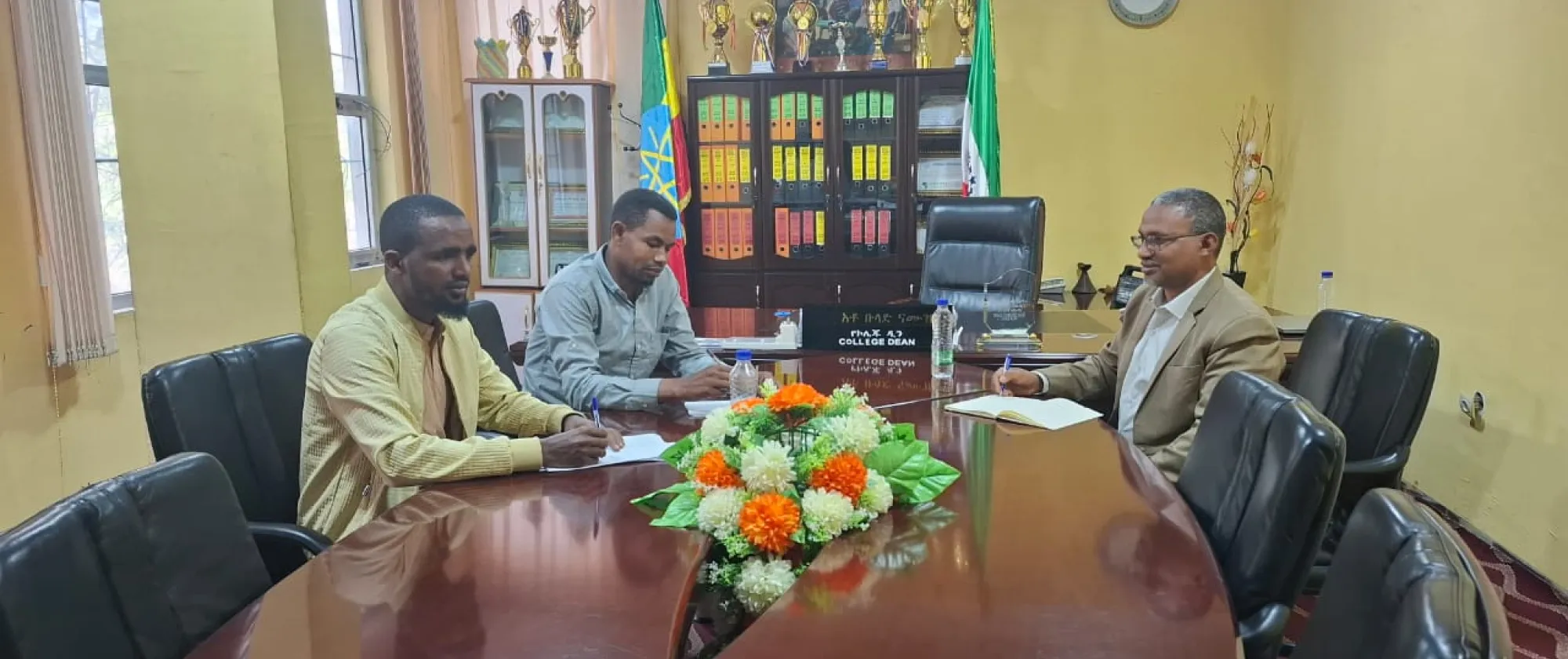
During the monitoring missions, ILO representatives visited several TVET colleges, including Walkite, Warabe, Dedo Sheka, and Assela, to observe ongoing training sessions and discuss challenges with college management. The colleges reported significant progress in training potential and returned migrants, with Worabe PTC training 15,000 individuals and Assela TVET College training 8,000. However, they also highlighted several challenges affecting the effectiveness of their programs.
One of the primary issues raised was the delay in uploading Occupational Competence Assurance (COC) results at regional COC agencies. This delay has negatively impacted migrants seeking overseas employment, causing additional costs and delays. Additionally, TVET colleges reported increased costs for consumables required for practical training, which has strained their resources. Dedo Sheka and Walkite colleges also faced challenges in hiring certified hairdressing instructors, a gap they continue to address.
The colleges have taken proactive measures to address these challenges, including engaging with regional COC bureaus to expedite result uploads and mobilizing internal resources to cover the cost of consumables. Despite these efforts, sustained support and collaboration with government agencies are necessary to ensure the smooth functioning of TVET programs for migrants.
Improving access to finance for migrant workers
Another critical focus of the monitoring missions was the evaluation of the UTUBA loan product, a financial support initiative aimed at potential and returned migrants. Siinqee Bank, in collaboration with the ILO BRMM program, developed the UTUBA loan to provide accessible financing for migrants to start or expand businesses.
During visits to Siinqee Bank branches in Shashemene, Assela, and other towns, the mission team held discussions with branch managers, district representatives, and government officials. The meetings highlighted both progress and challenges in the disbursement of UTUBA loans.
While branches in Jimma and Assela successfully disbursed loans to 12 beneficiaries, Shashemene and Bale Robe branches reported no progress in disbursements. The primary challenges identified included limited awareness of the loan product among government offices and returned migrants, competing priorities for bank staff, and concerns over collateral and interest rates.
To address these issues, the monitoring team conducted awareness sessions on the UTUBA loan product with local government offices and potential beneficiaries. They also met with Siinqee Bank’s management to discuss strategies for improving loan disbursement and addressing the barriers faced by migrants in accessing finance.
The monitoring missions conducted in Shashemene, Asella, and other towns underscored the importance of integrating skills development and financial inclusion initiatives to support migrants in Ethiopia. By addressing the identified challenges and implementing the recommendations, the BRMM program can enhance its impact on migrants' livelihoods and economic empowerment.
The missions highlighted the critical role of partnerships between TVET colleges, financial institutions, and government offices in ensuring the success of these initiatives. Continued collaboration and support from all stakeholders are essential to create sustainable opportunities for migrants, promote regular labour migration, and contribute to Ethiopia’s economic development.
Relevant projects

East and Horn of Africa
Better Regional Migration Management