

Vocational education and training
Enhancing the quality and effectiveness of counselling for vocational and education institutions in Viet Nam’s textile and garment sector
The labour shortage and growing demand for skilled workers pose significant challenges across sectors, including textiles and garment manufacturing. This highlights the need for reforms in vocational education to provide a workforce that meets market demands and supports integration. To address these challenges, the ILO and its partners have launched training and career counselling programs to enhance education quality and career guidance in the sector.
8 November 2024
Hanoi, Viet Nam (ILO News) - The textile and garment industry in Viet Nam is a significant driver of economic growth, creating jobs, particularly for youth and female workers, and contributing to economic restructuring. However, the industry currently faces several challenges, including the need to upgrade the value chain, transition towards sustainable development, address labour shortages, and overcome a lack of high-quality skilled human resources to meet new development needs. In addition, many textile and garment education and training institutions have faced challenges in enrolment counselling.
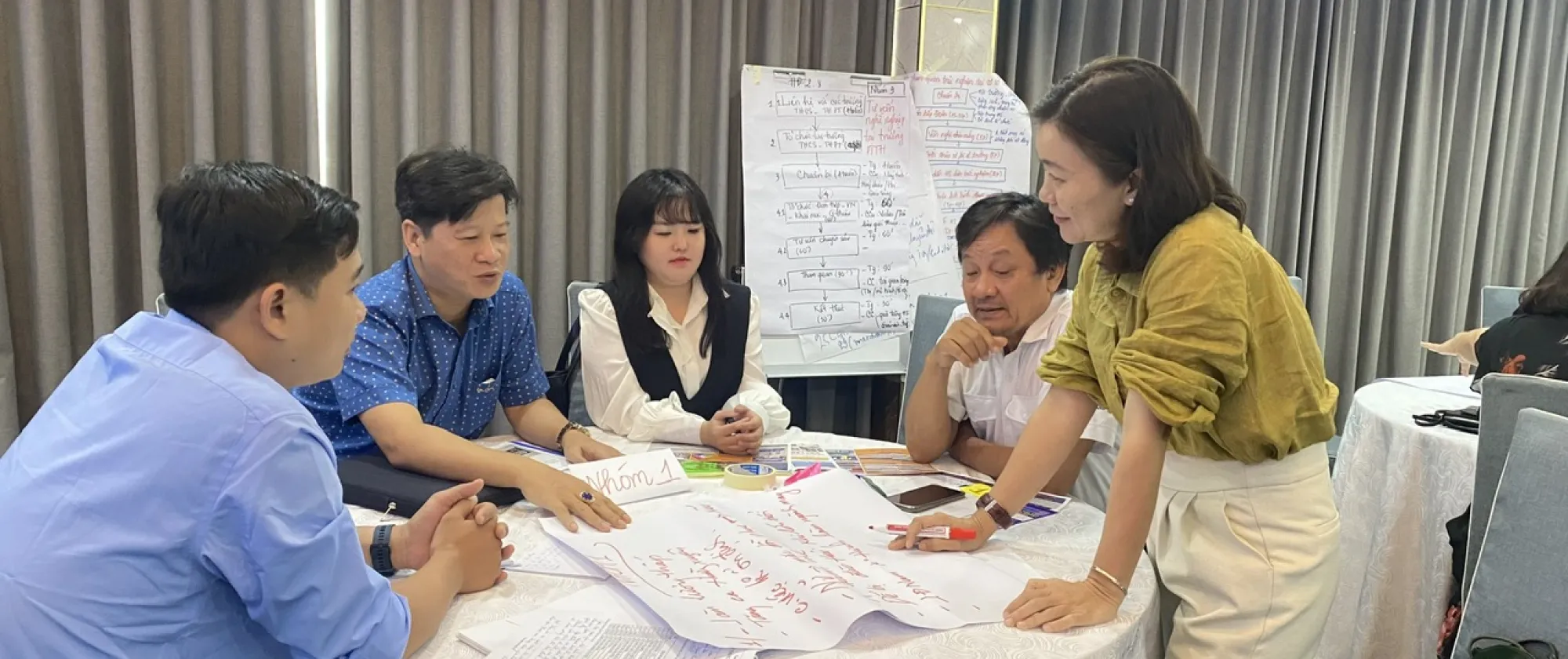
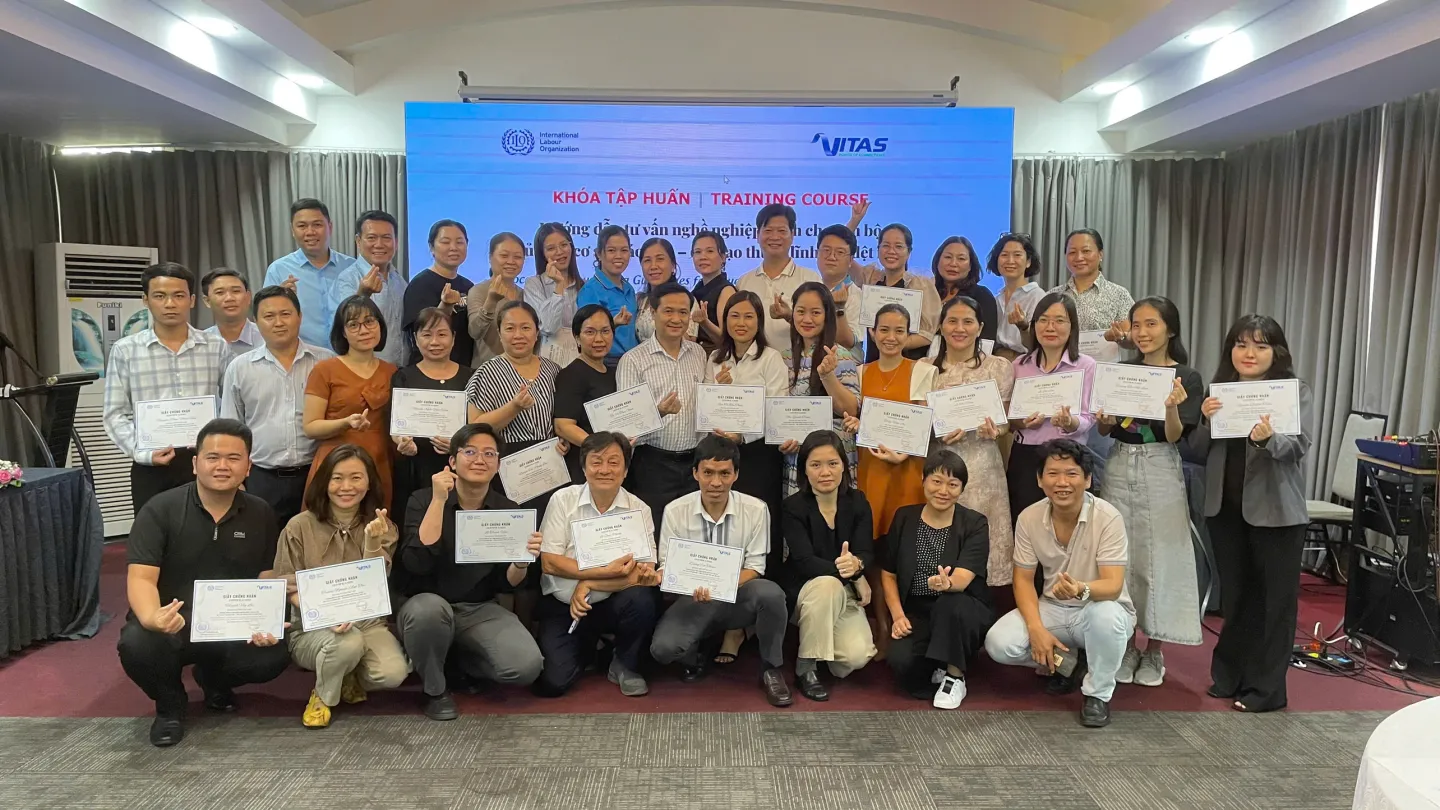
To tackle these challenges, the International Labour Organization (ILO), in collaboration with the Vietnam Textile and Apparel Association (VITAS) and relevant partners, organized two Training of Trainers (ToT) courses focused on vocational counselling. Held in Ho Chi Minh City from 30 October to 2 November, 2024, and in Hanoi from 6 to 9 November, 2024, these courses aimed to equip educators and vocational staff with the necessary skills and knowledge to improve vocational counselling services.
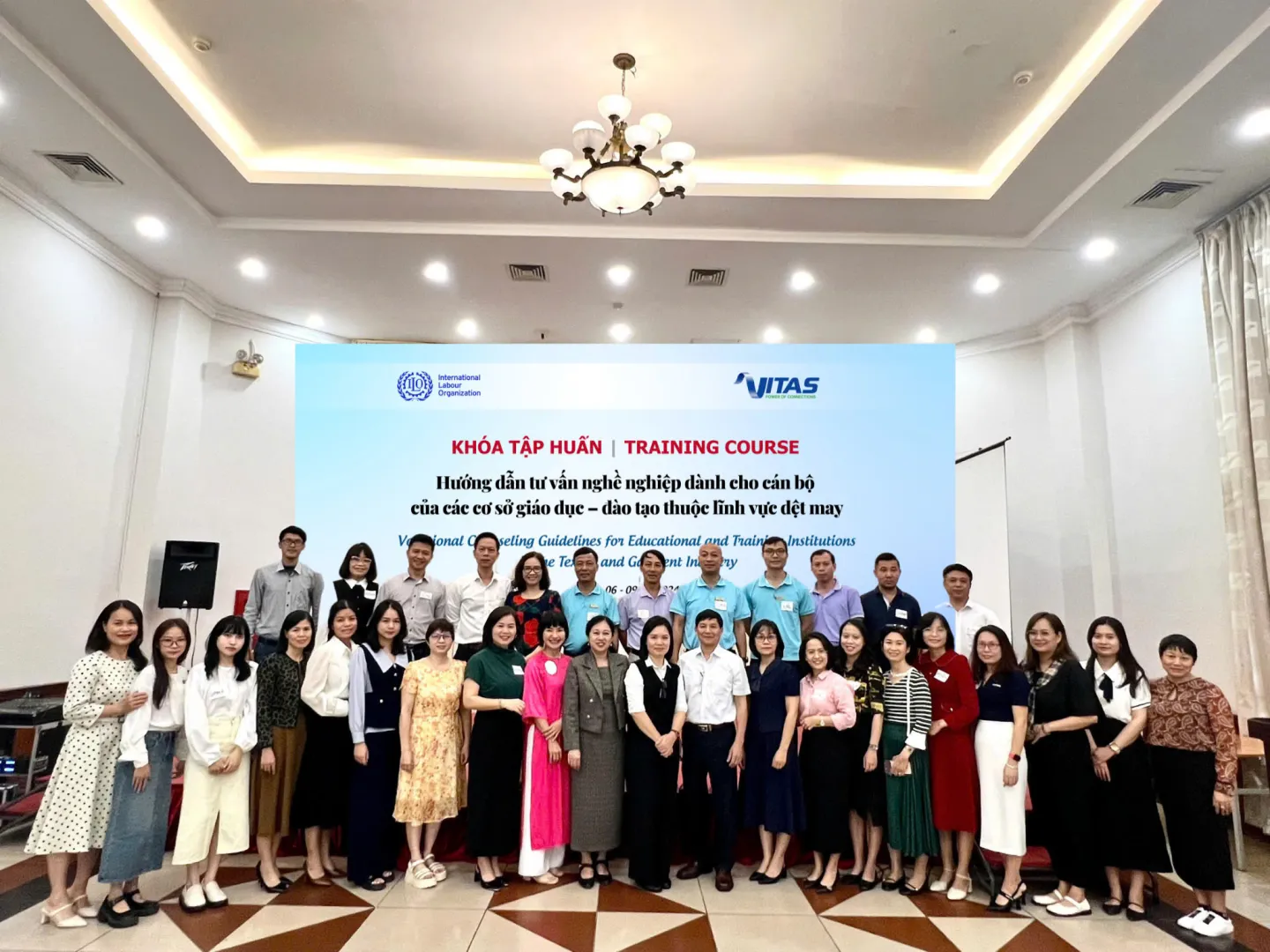
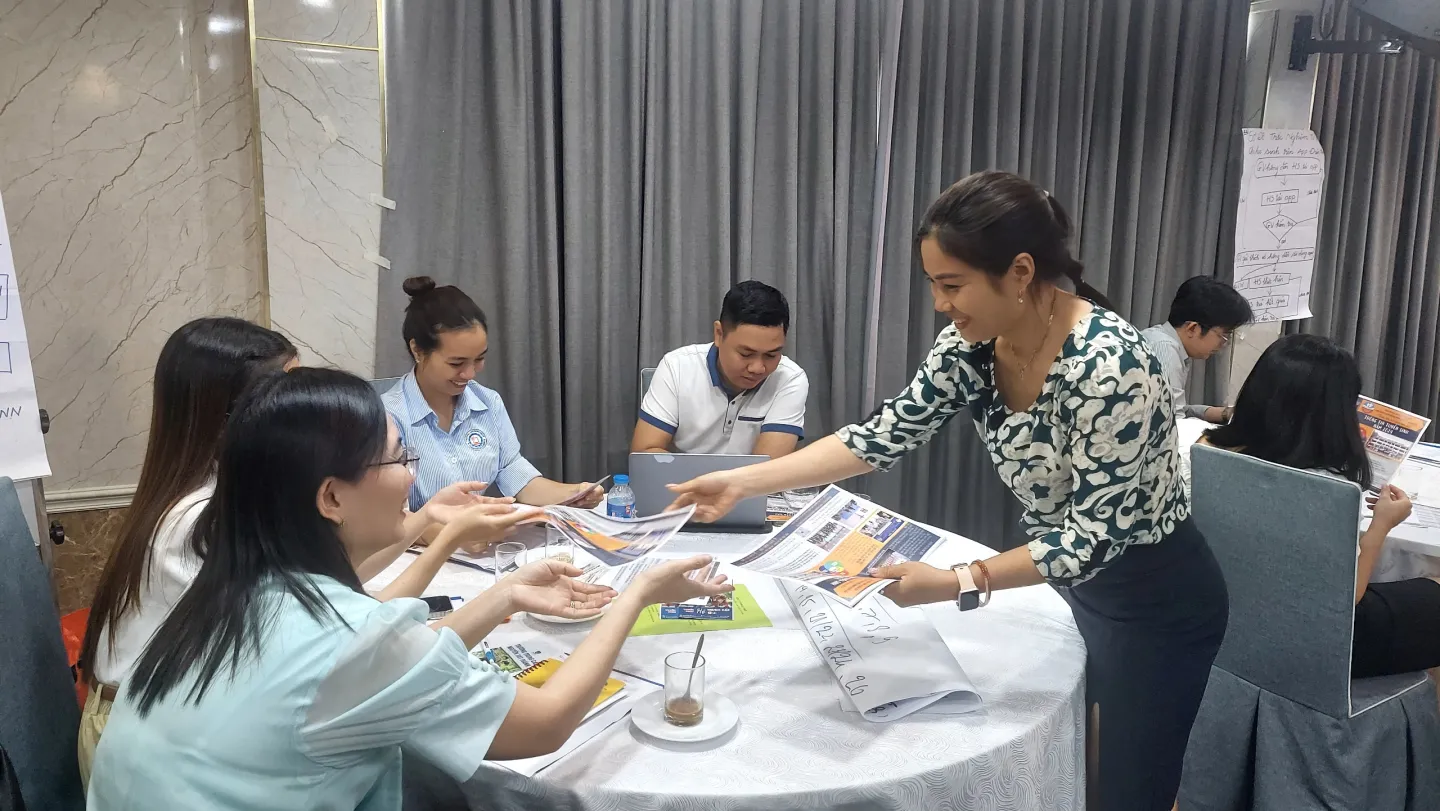
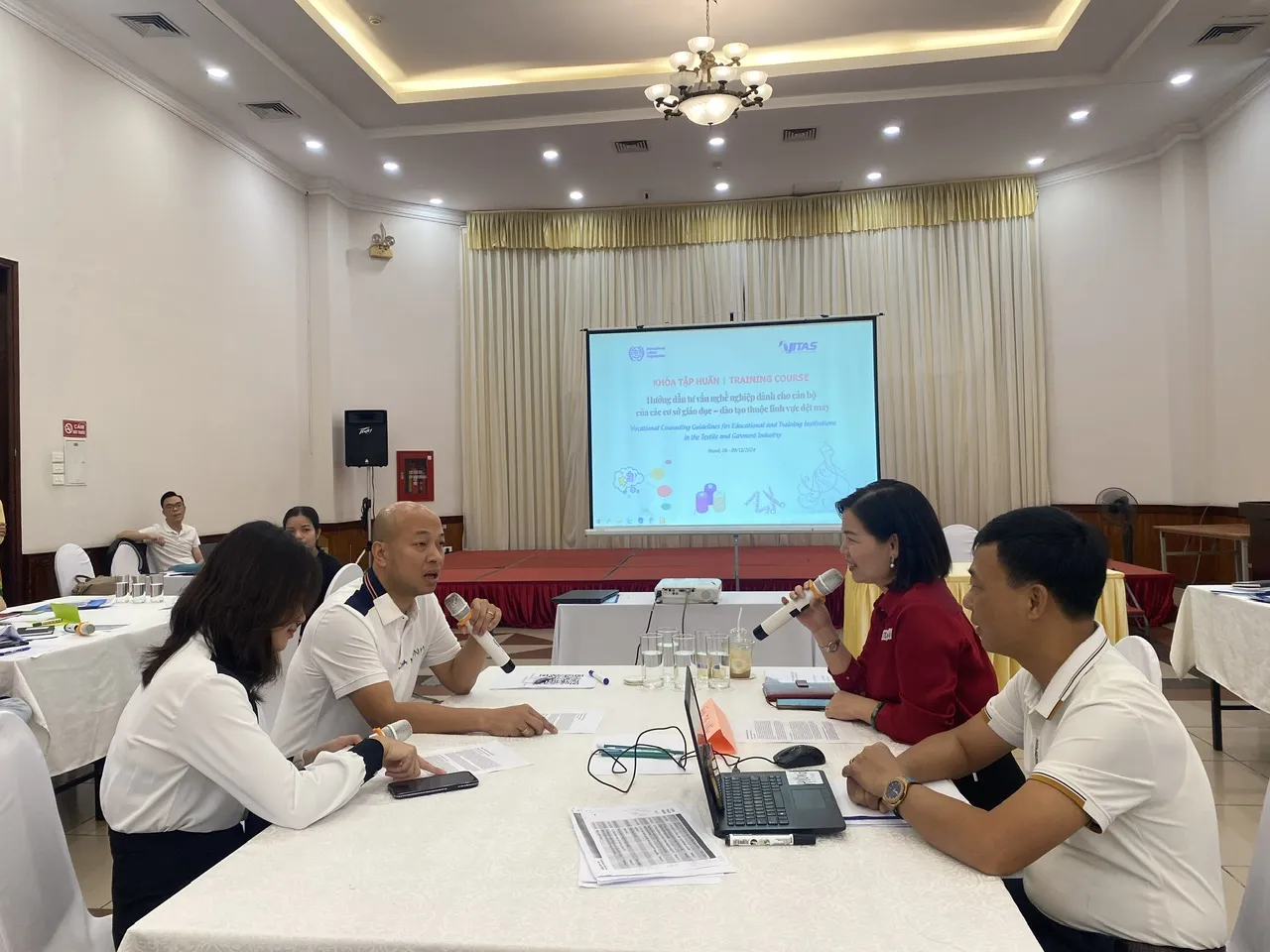
The two training courses saw the participation of 65 participants (of whom 28 were females), including staff and teachers from 27 education and training institutions and related agencies across 23 provinces and cities nationwide. These participants were equipped with the knowledge and tools necessary to conduct vocational counselling in accordance with the Vocational Counselling Guideline developed by the ILO ENHANCE[1] project in collaboration with the Directorate of of Vocational Education and Training (DVET). In addition to delivering essential knowledge, tools, and skills for vocational counselling, the training also updated participants on the current skill requirements in the textile and garment industry, relevant policies, and vocational training support programmes. Following the training, participants are expected to apply and disseminate the Guideline within their respective institutions and localities.
“The training course offered practical counselling tools and enhances skills for institutions, thereby making vocational counselling more effective. Not only students but also youth and workers outside the school would benefit from these effective vocational counselling activities” shared Dao Trong Do, Director of the Continuing Training Department under DVET.
Truong Nguyen Anh Thu, a teacher from Binh Thuan Vocational Training College, highlighted the usefulness of the questionnaire introduced during the training: “I was highly impressed with the questionnaire on students’ interests and abilities. Now I understand how sound vocational guidance should be grounded in scientific tools and the significant role of the counsellor's skills in assisting students in identifying suitable careers for their future.”
Representing the textile and garment industry, Truong Van Cam, Vice Chairman of Viet Nam Textile and Garment Association (VITAS), affirmed that: “The positive feedback and commitment of the participants led me to believe in the improvement of the quality of enrolment counselling in schools. This, in turn, will help enhance the quality, relevance, and effectiveness of enrolment and training programs to meet the needs of textile and garment enterprises”. He added “Teachers play a crucial role in conveying positive messages to future generations of workers about the image of a strongly renewing, greener, and more sustainable textile and garment industry.”
The training courses were conducted under the joint collaboration between two ILO projects in Viet Nam: the ENHANCE[1] project funded by the U.S. Department of Labor, and the Skills in Textile and Garment project[2] with the funding from the governments of the Netherlands and Japan. This initiative aims to enhance the overall quality of human resources, with a specific focus on the textile and garment industry. By doing so, it supports the development of sustainable supply chains, strengthens vocational education and training systems, and creates job opportunities for youth. These efforts also contribute to reducing and ultimately eliminating child labour. Additionally, the initiative prioritises improving enrolment counselling and training programs, including short-term courses, to promote decent work and better career prospects for workers.
[1] Technical Support for Enhancing the National Capacity to Prevent and Reduce Child Labour in Viet Nam (ENHANCE)
[2] Future of Work in the Textile and Garment Sector: Forecasting and Developing Skills in Vietnam to Promote Decent Work and Enhance Sectoral Productivity
You may also be interested
Country portal
Viet Nam
Occupational Safety and Health
Improving Safety and Health in the Coffee Supply Chain in Viet Nam - a Vision Zero Fund Project

Child labour
Technical Support for Enhancing the National Capacity to Prevent and Reduce Child Labour in Viet Nam (ENHANCE)
Relevant projects
Ship to Shore Rights South East Asia - Indonesia
Migrant workers
Ship to Shore Rights South East Asia (SEA)