

Labour migration
Enhanced stakeholder coordination for improved labour migration in Uganda
Key ILO stakeholders' Technical Working Group in Uganda assessed the progress of ongoing labour migration initiatives, address the challenges encountered, and explore future strategies to ensure better protection and welfare for migrant workers.
4 November 2024
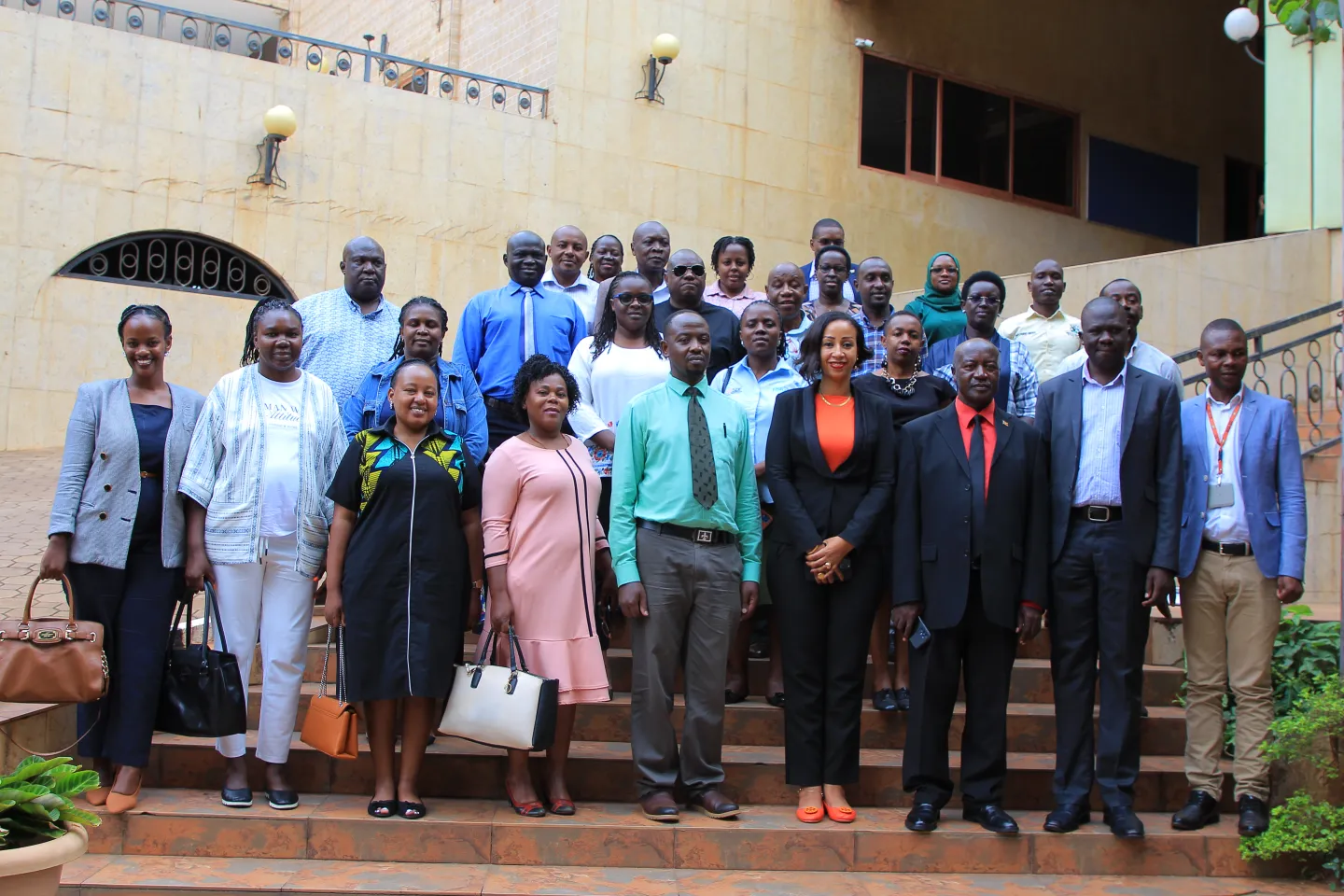
Kampala, Uganda (ILO News) - The International Labour Organization (ILO) Better Regional Migration Management (BRMM) Programme in partnership with the Ministry of Gender, Labour and Social Development (MGLSD), organized the 3rd National Technical Working Group (TWG) meeting on Labour Migration in Uganda on 28th June 2024 at the Imperial Royale Hotel in Kampala. The meeting focused on improving coordination and collaboration among key stakeholders in Uganda’s labour migration. The primary aim of the TWG meeting was to assess the progress of ongoing labour migration initiatives, address the challenges encountered, and explore future strategies to ensure better protection and welfare for migrant workers.
The meeting brought together members of the TWG comprising representatives from various sectors, including government, employers, recruitment agencies, and trade unions, all working to enhance Uganda's labour migration governance.
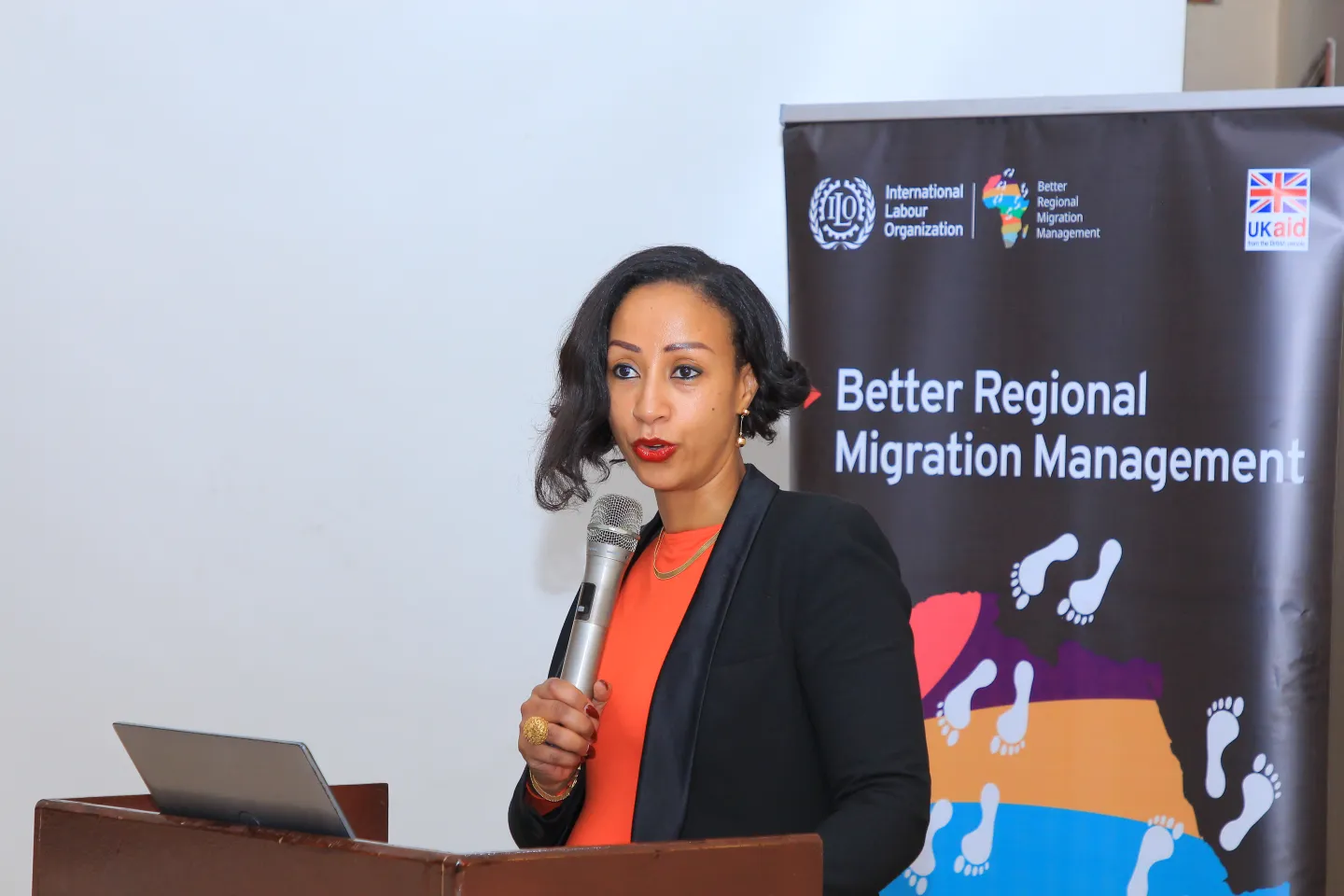
The meeting commenced with opening remarks from notable individuals, including Ms. Aida Awel from the ILO, BRMM Programme, Mr. Patrick Ajuna from the Federation of Uganda Employers (FUE), and Mr. Milton Turyasiima from the MGLSD. Each speaker emphasised the importance of stakeholder collaboration and engagement in strengthening Uganda’s labour migration governance framework. They underscored the critical role of the Labour Migration Advisory Group (LMAG) at the regional level, as well as the TWG at the national level, in shaping the policies and guiding the implementation of the BRMM and other LM initiatives in Uganda. Uganda has made notable progress in creating an enabling environment for labour migration, but more needs to be done to ensure that migrant workers are better protected and supported, both at home and abroad.
During the workshop, Mr. Hillary Talemwa from MGLSD presented key updates on Uganda’s recent efforts in labour migration. One of the highlights was the signing of Bilateral Labour Migration Agreements (BLMAs) with Qatar, with additional negotiations ongoing with Oman. These agreements provide a structured framework for ensuring that Ugandan migrant workers receive better working conditions and protection in these countries. Efforts to explore job opportunities for skilled Ugandan workers in several countries, including Canada, the UK, Turkey, Poland, and Germany, were also outlined. Mr. Talemwa stressed the importance of these agreements in addressing the growing demand for skilled labour in destination countries while ensuring the protection of Ugandan workers abroad. Additionally, the digitalisation of labour externalisation processes was highlighted, as well as the establishment of a dedicated call centre to handle complaints and inquiries from migrant workers. These digital innovations were seen as key steps towards creating a more efficient and transparent labour migration system in Uganda.
The workshop also provided a platform to showcase some of the significant achievements of the BRMM programme between October 2023 and June 2024. Mr. Raymond Wasukira from MGLSD and Ms. Aida Awel presented updates on the implementation of the Labour Market Information System (LMIS), which is expected to play a crucial role in providing accurate and timely data on labour migration trends in Uganda. The LMIS will also assist in shaping future policies by providing data-driven insights into the needs of the labour market, both in Uganda and in destination countries. Another key achievement was the socio-economic reintegration support provided to returned migrants, particularly in Kampala. The programme has partnered with financial service providers to enable digital fund transfers to returnees, ensuring that they have access to financial resources to rebuild their lives upon returning to Uganda. This initiative has been instrumental in helping returnees start businesses, pursue education, or reintegrate into their communities.
The final part of the meeting focused on plenary discussions, where participants deliberated on ways to improve labour migration governance in Uganda. Key areas of discussion included enhancing policy perspectives on labour migration, improving the return and reintegration processes for migrants, and strengthening information management systems. Participants agreed that the establishment of a fully functional LMIS was critical to the success of labour migration governance in Uganda. Additionally, the need for Uganda to negotiate more BLMAs with destination countries was emphasised, with participants suggesting that future agreements should focus not only on protecting the rights of migrant workers but also on ensuring that they have access to social protection and healthcare while abroad. The plenary discussions also highlighted the importance of reviewing Uganda’s existing labour regulations to ensure that they are in line with international labour standards and the evolving nature of the labour migration landscape.
Relevant projects

East and Horn of Africa
Better Regional Migration Management